Location:
ChenDianHu Industrial Area, GanZhe Town, Minhou County,
Fuzhou City, Fujian Province, China
teruiermirror
islamic art mirror
25-09-03 86 view
Of course. The concept of a "mirror" in Islamic art is profound and operates on multiple levels, from the physical object to the deepest spiritual metaphor. Here’s a breakdown of the role and meaning of the mirror in Islamic art and thought. 1. The Physical Object: Decorative Arts and Craftsmanship While not as ubiquitous as geometric patterns or calligraphy, physical mirrors and mirrored surfaces appear in Islamic art, especially from the Ottoman, Persian, and Mughal empires. Materials and Technique: Early mirrors were made of highly polished metal (like steel or bronze). Later, glass mirrors backed with mercury or tin amalgam were used. Decoration: Mirror frames were often exquisite works of art, featuring: Engraving: Intricate scenes or patterns carved into the metal. Inlay: Using materials like ivory, gold, silver, or precious stones (pietra dura). Calligraphy: Poetic verses or religious phrases adorned the frames. Architectural Use: Ayna-kari (Mirror Work) This is a spectacular Persian and Mughal technique where thousands of small pieces of mirror are set into plaster and used to cover entire walls, ceilings, and domes. The most famous example is the Shah Cheragh shrine in Shiraz, Iran. The effect is breathtaking: It creates an illusion of infinite space and disorienting brilliance. It democratizes light; a single candle is reflected a thousand times, illuminating the entire space. This is a direct physical metaphor for the divine light of God reflecting through creation. 2. The Spiritual and Philosophical Metaphor This is where the concept of the mirror becomes most powerful in Islamic culture. It's a central metaphor in Sufism (Islamic mysticism), theology, and Persian poetry. The Heart as a Mirror: A fundamental Sufi teaching is that the human heart is a mirror designed to reflect the divine attributes of God (Allah). However, this mirror becomes tarnished by worldly attachments, ego, and sin. The purpose of spiritual practice (dhikr - remembrance of God, prayer, purification) is to polish this mirror until it can perfectly reflect the divine reality. The famous Islamic scholar Al-Ghazali wrote extensively on this concept. The Universe as a Mirror: Creation itself is often seen as a mirror reflecting the beauty, majesty, and attributes of the Creator. To see the world rightly is to see the reflection of God in it. The famous Hadith Qudsi (sacred saying) states: "I was a Hidden Treasure and I loved to be known, so I created creation in order to be known." The world and humanity are thus mirrors in which God's attributes (Mercy, Beauty, Power, Knowledge) are made manifest. The Perfect Mirror: The Prophet Muhammad ﷺ In Islamic spirituality, the Prophet is often described as the perfect mirror (mir'at al-muhammadiyya). He possessed a heart so pure and polished that it reflected divine truth without any distortion. He is the model of the perfect human (al-insan al-kamil).…
Of course. The concept of a “mirror” in Islamic art is profound and operates on multiple levels, from the physical object to the deepest spiritual metaphor.
Here’s a breakdown of the role and meaning of the mirror in Islamic art and thought.
1. The Physical Object: Decorative Arts and Craftsmanship
While not as ubiquitous as geometric patterns or calligraphy, physical mirrors and mirrored surfaces appear in Islamic art, especially from the Ottoman, Persian, and Mughal empires.
Materials and Technique: Early mirrors were made of highly polished metal (like steel or bronze). Later, glass mirrors backed with mercury or tin amalgam were used.
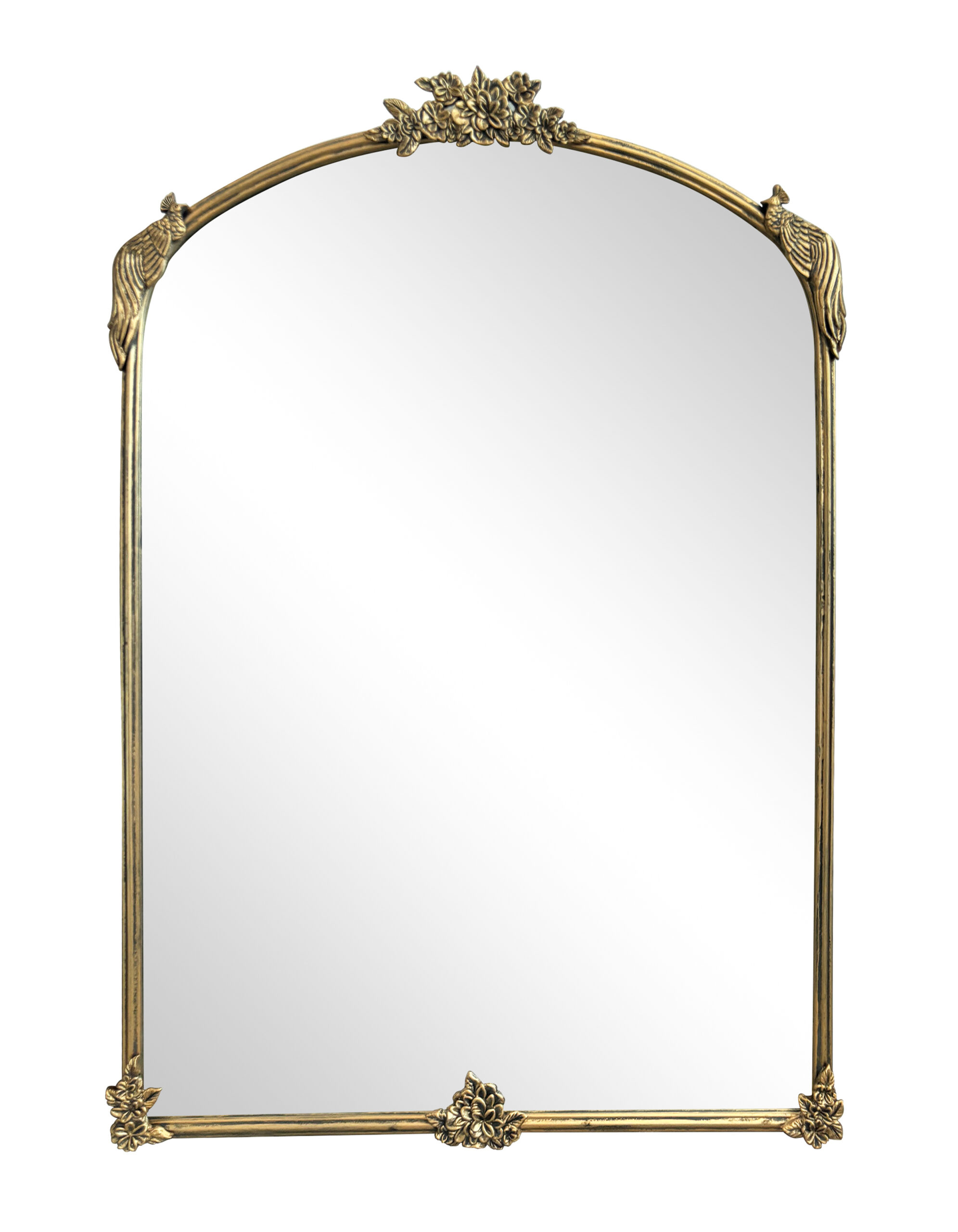
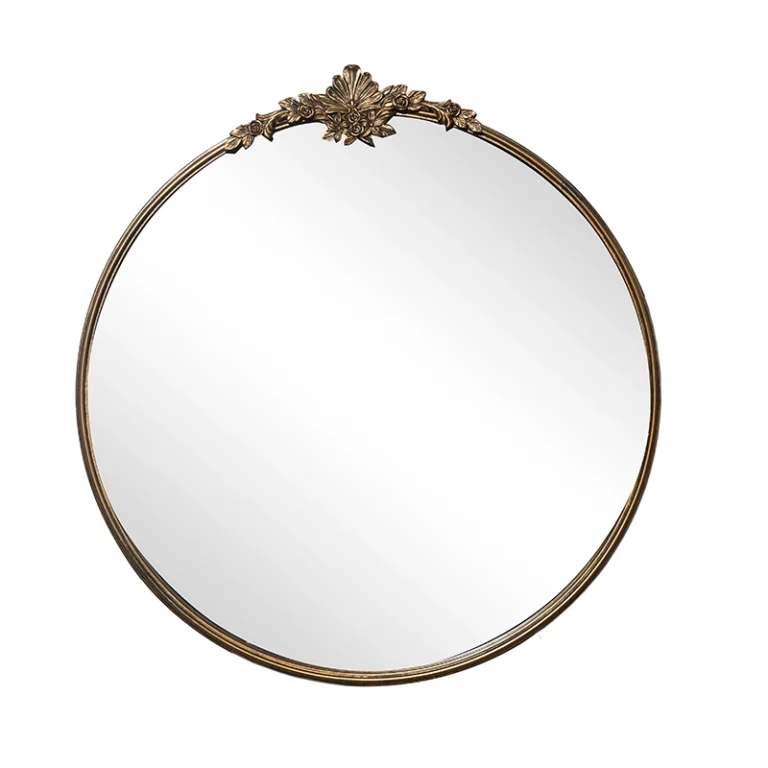
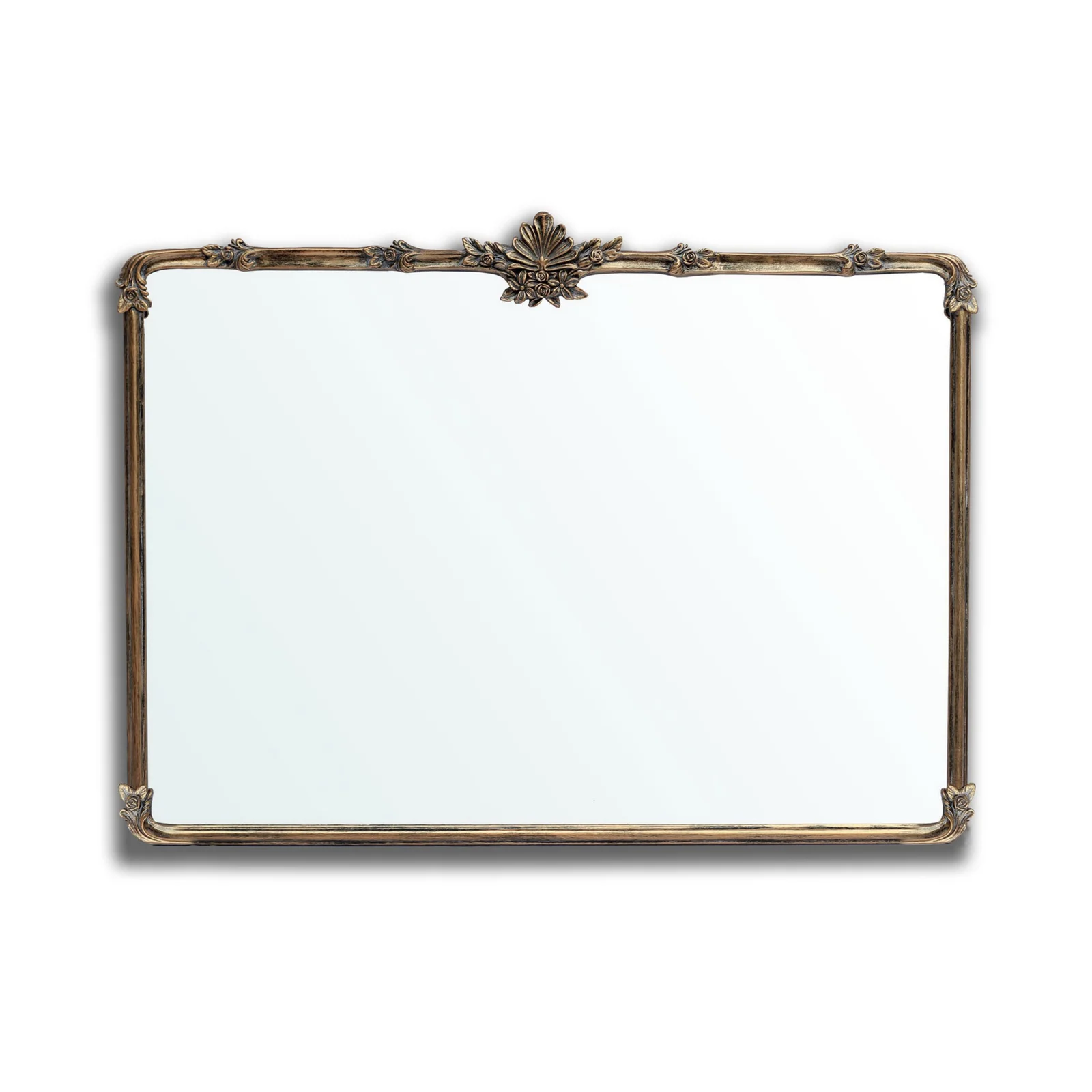
Decoration: Mirror frames were often exquisite works of art, featuring:
Engraving: Intricate scenes or patterns carved into the metal.
Inlay: Using materials like ivory, gold, silver, or precious stones (pietra dura).
Calligraphy: Poetic verses or religious phrases adorned the frames.
Architectural Use: Ayna-kari (Mirror Work) This is a spectacular Persian and Mughal technique where thousands of small pieces of mirror are set into plaster and used to cover entire walls, ceilings, and domes. The most famous example is the Shah Cheragh shrine in Shiraz, Iran. The effect is breathtaking:
It creates an illusion of infinite space and disorienting brilliance.
It democratizes light; a single candle is reflected a thousand times, illuminating the entire space. This is a direct physical metaphor for the divine light of God reflecting through creation.
2. The Spiritual and Philosophical Metaphor
This is where the concept of the mirror becomes most powerful in Islamic culture. It’s a central metaphor in Sufism (Islamic mysticism), theology, and Persian poetry.
The Heart as a Mirror: A fundamental Sufi teaching is that the human heart is a mirror designed to reflect the divine attributes of God (Allah). However, this mirror becomes tarnished by worldly attachments, ego, and sin.
The purpose of spiritual practice (dhikr – remembrance of God, prayer, purification) is to polish this mirror until it can perfectly reflect the divine reality.
The famous Islamic scholar Al-Ghazali wrote extensively on this concept.
The Universe as a Mirror: Creation itself is often seen as a mirror reflecting the beauty, majesty, and attributes of the Creator. To see the world rightly is to see the reflection of God in it. The famous Hadith Qudsi (sacred saying) states: “I was a Hidden Treasure and I loved to be known, so I created creation in order to be known.” The world and humanity are thus mirrors in which God’s attributes (Mercy, Beauty, Power, Knowledge) are made manifest.
The Perfect Mirror: The Prophet Muhammad ﷺ In Islamic spirituality, the Prophet is often described as the perfect mirror (mir’at al-muhammadiyya). He possessed a heart so pure and polished that it reflected divine truth without any distortion. He is the model of the perfect human (al-insan al-kamil).
In Persian Poetry: Poets like Rumi, Hafez, and Jami used the mirror metaphor constantly.
“The heart is a mirror; polish it with the light of His love, until the image of His beauty is reflected in it.” – Rumi
The beloved’s face is often described as a mirror in which the lover sees ultimate beauty and truth.
3. The Conceptual Tool in Art and Architecture
The idea of reflection influences Islamic art beyond physical mirrors.
Symmetry and Repetition: The extensive use of symmetry in patterns (on carpets, tiles, manuscripts) can be seen as a form of reflection, creating a balanced, harmonious, and infinite world that points to the perfection and unity of the divine order.
Water Features: Reflective pools in Islamic gardens (like those in the Alhambra or the Taj Mahal) act as natural mirrors. They double the architecture, blur the line between the earthly and the heavenly (by reflecting the sky), and create a cool, serene atmosphere of contemplation. This is a direct architectural representation of the mirror metaphor.
Summary: Key Symbolisms of the Mirror
Symbolism
Meaning in Islamic Context
Polished Heart
Spiritual purity, clarity of perception, enlightenment.
Reflection of Divine
The universe and the perfected human reflect God’s attributes.
Self-Knowledge
To know one’s true self (the soul) is to see the reflection of the divine within.
Vanity & Illusion
A warning against only seeing one’s ego (the dusty mirror) and mistaking it for reality.
Infinite Creation
Architectural mirror work creates a sense of boundless, divine light and space.
In conclusion, the “Islamic art mirror” is far more than a decorative object. It is a central spiritual metaphor for the relationship between the Creator and creation, and a powerful conceptual tool used to create art and architecture that inspires contemplation, self-purification, and the remembrance of God.
Generally speaking, our order requirements are as follows: the minimum order quantity (MOQ) for large items is 50 pieces, for regular items it is 100 pieces, for small items it is 500 pieces, and for very small items (such as ceramic decorations) the MOQ is 1,000 pieces. Orders exceeding $100,000 will receive a 5% discount. The delivery timeline is determined based on the specific order quantity and production schedule. Typically, we are able to complete delivery within two months.















-scaled.jpg)



Leave a Reply