Location:
ChenDianHu Industrial Area, GanZhe Town, Minhou County,
Fuzhou City, Fujian Province, China
teruiermirror
Mirror in Arab home symbolism
25-08-27 43 view
Of course. The mirror holds a rich and multifaceted symbolism in Arab culture, particularly within the home. Its meaning is a beautiful blend of ancient superstition, Islamic spiritual values, and practical social customs. Here’s a breakdown of the key symbolic meanings of a mirror in an Arab home: 1. Protection from the "Evil Eye" (Nazar/عين الحسود) This is one of the most powerful and widespread symbolic functions. Reflecting Harm: The core belief is that envy or excessive admiration (even from a well-meaning person) can bring about misfortune or "the evil eye." A mirror is thought to act as a shield, reflecting this negative energy back to the sender and protecting the home's inhabitants, especially newborns, newlyweds, and valuable possessions. Connection to the Hamsa: You will often see mirrors, especially small decorative ones, incorporated into the popular Hamsa (Khamsa) or "Hand of Fatima" symbol. The Hamsa itself is a protective amulet, and the mirror in its center doubles the protective power by reflecting evil away. 2. Spiritual Purity and Self-Reflection (Islamic Context) In line with Islamic teachings, the mirror carries a deep spiritual metaphor. Reflecting the Soul: A common saying and teaching is that "the believer is the mirror of another believer," meaning a true friend honestly reflects your flaws and virtues back to you, helping you improve. A Tool for Self-Accountability: When looking in the mirror, one is encouraged to engage in muhasaba (self-reflection). It's a moment to check one's intention, remember God, and ensure one's outer appearance is tidy as an act of faith (as cleanliness is highly valued). A Reminder of Creation: The act of seeing one's reflection can serve as a reminder of God's perfect creation and the beauty and complexity of the human form, prompting gratitude. 3. Symbol of Light, Space, and Beauty On a purely aesthetic and practical level: Amplifying Light: Traditionally, mirrors are used to reflect light and create a sense of brightness and spaciousness in a room. This is especially valuable in traditional architecture with courtyards; placing a mirror opposite a window or light source maximizes natural light. Decorative Opulence: Large, ornate mirrors are often central pieces in home decor, symbolizing elegance, luxury, and a refined taste. Intricately carved wooden or gypsum frames can be works of art themselves. 4. Truth and Clarity The mirror does not lie. It symbolizes: Honesty and Reality: It represents seeing things as they truly are, without deception. Self-Awareness: It forces a true and unfiltered view of oneself, both physically and, metaphorically, spiritually. Important Cultural Nuances and Superstitions The symbolism isn't all positive, and some ancient superstitions still persist, particularly in more traditional settings: Breaking a Mirror: As in many cultures, breaking a mirror is considered very bad luck, often believed to bring seven years of misfortune. This stems from the ancient belief that a mirror holds a…
Of course. The mirror holds a rich and multifaceted symbolism in Arab culture, particularly within the home. Its meaning is a beautiful blend of ancient superstition, Islamic spiritual values, and practical social customs.
Here’s a breakdown of the key symbolic meanings of a mirror in an Arab home:
1. Protection from the “Evil Eye” (Nazar/عين الحسود)
This is one of the most powerful and widespread symbolic functions.
Reflecting Harm: The core belief is that envy or excessive admiration (even from a well-meaning person) can bring about misfortune or “the evil eye.” A mirror is thought to act as a shield, reflecting this negative energy back to the sender and protecting the home’s inhabitants, especially newborns, newlyweds, and valuable possessions.
Connection to the Hamsa: You will often see mirrors, especially small decorative ones, incorporated into the popular Hamsa (Khamsa) or “Hand of Fatima” symbol. The Hamsa itself is a protective amulet, and the mirror in its center doubles the protective power by reflecting evil away.
2. Spiritual Purity and Self-Reflection (Islamic Context)
In line with Islamic teachings, the mirror carries a deep spiritual metaphor.
Reflecting the Soul: A common saying and teaching is that “the believer is the mirror of another believer,” meaning a true friend honestly reflects your flaws and virtues back to you, helping you improve.
A Tool for Self-Accountability: When looking in the mirror, one is encouraged to engage in muhasaba (self-reflection). It’s a moment to check one’s intention, remember God, and ensure one’s outer appearance is tidy as an act of faith (as cleanliness is highly valued).
A Reminder of Creation: The act of seeing one’s reflection can serve as a reminder of God’s perfect creation and the beauty and complexity of the human form, prompting gratitude.
3. Symbol of Light, Space, and Beauty
On a purely aesthetic and practical level:
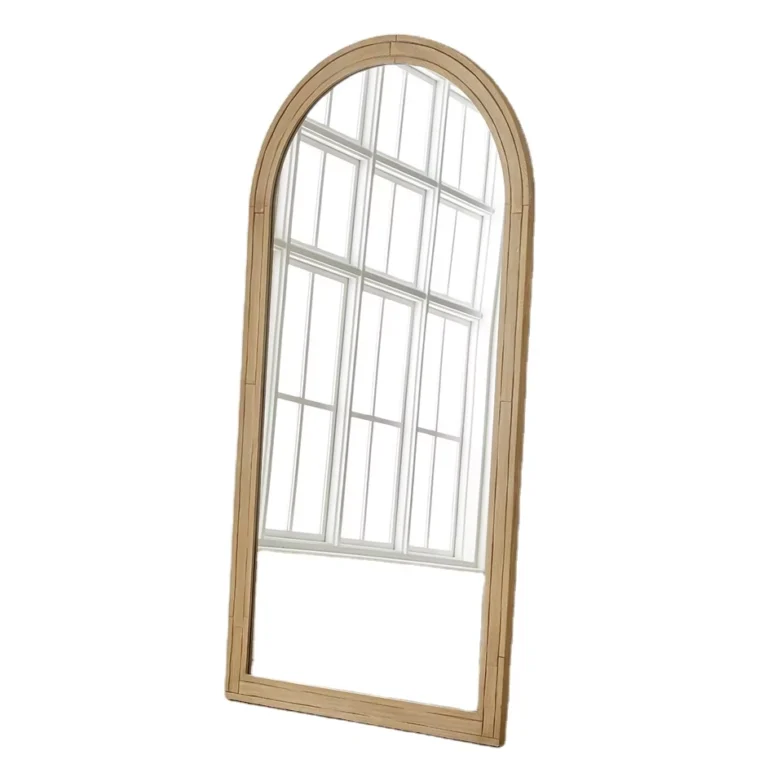
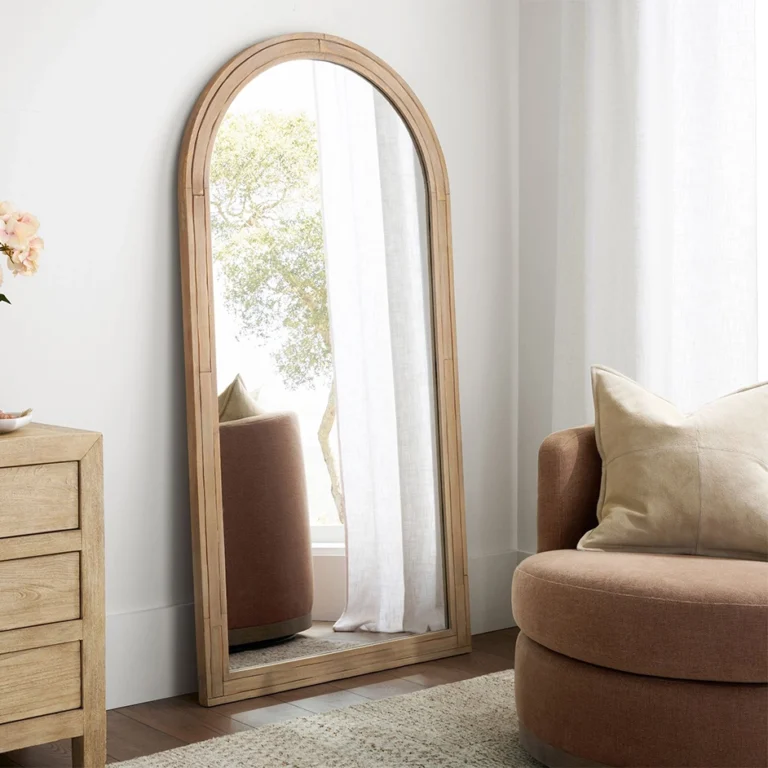
Amplifying Light: Traditionally, mirrors are used to reflect light and create a sense of brightness and spaciousness in a room. This is especially valuable in traditional architecture with courtyards; placing a mirror opposite a window or light source maximizes natural light.
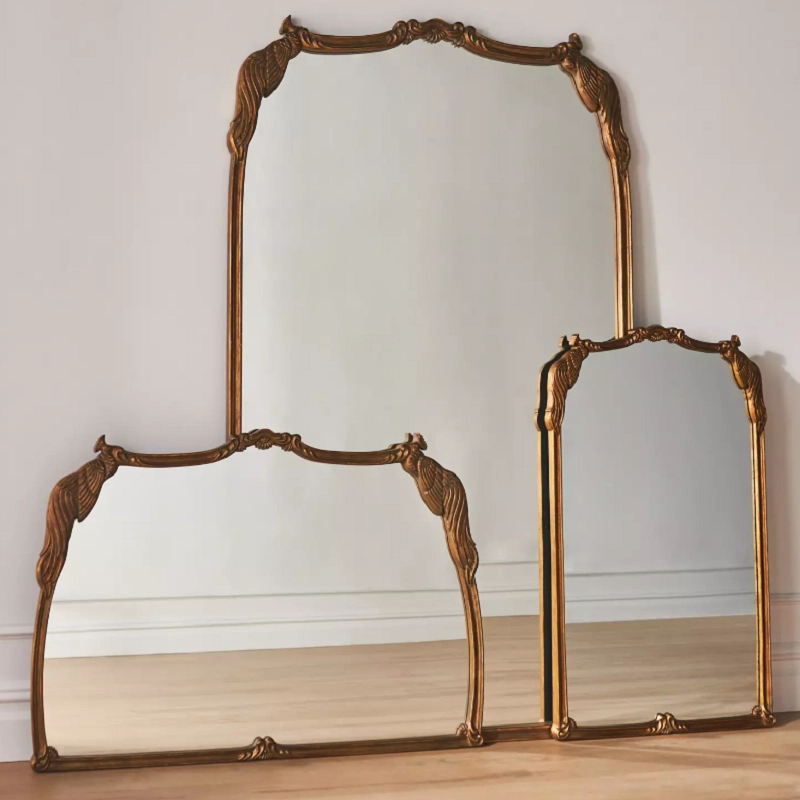
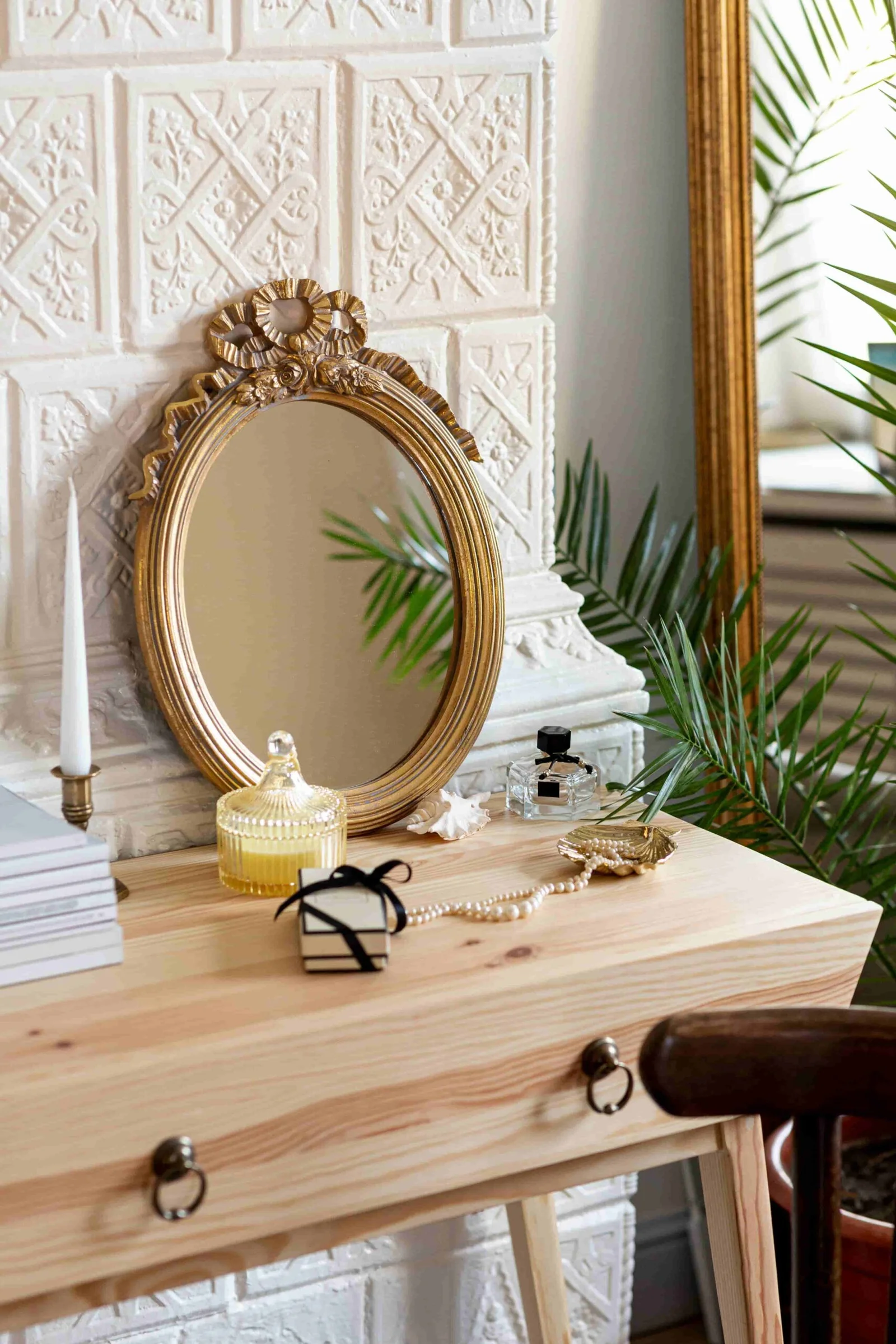
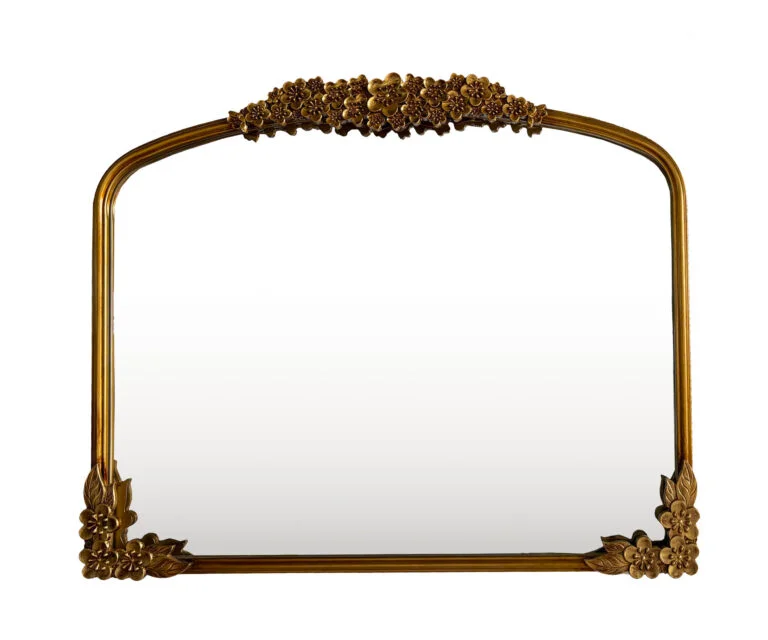
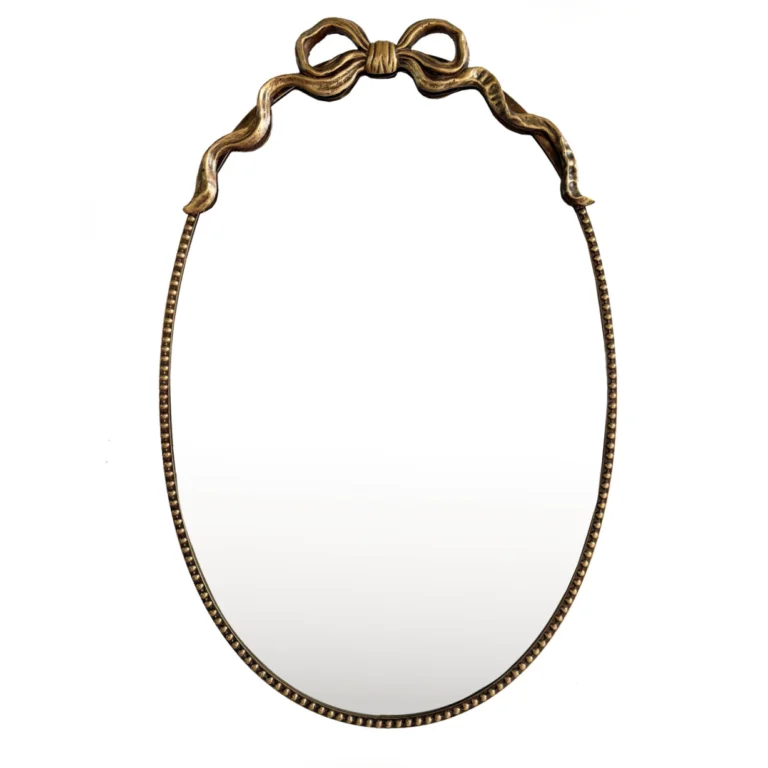
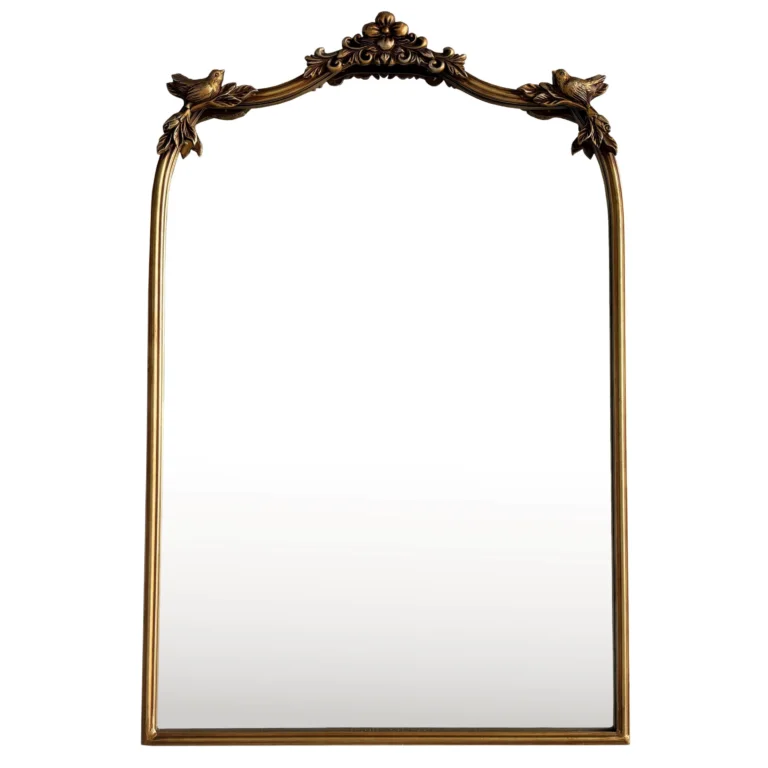
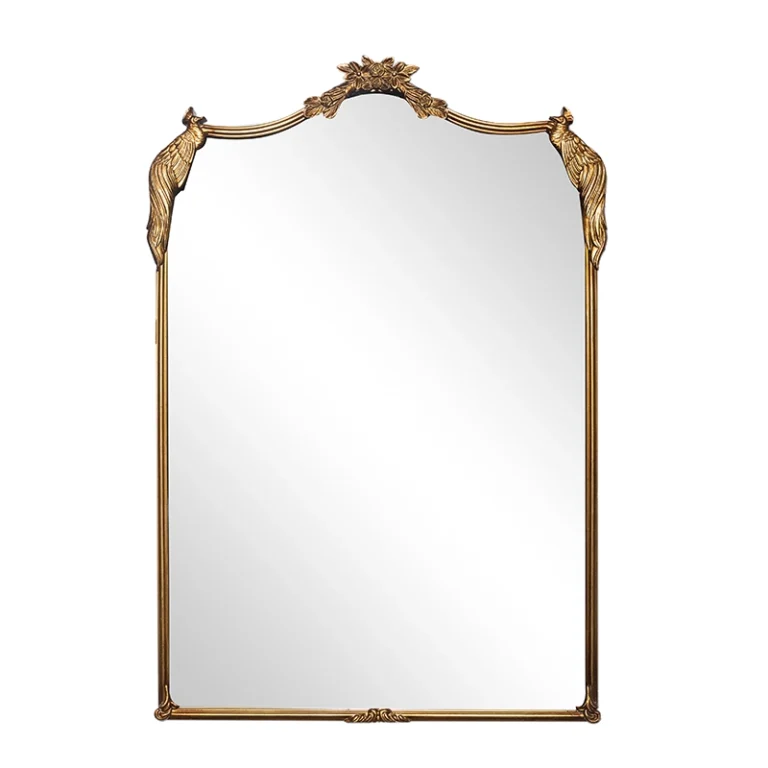
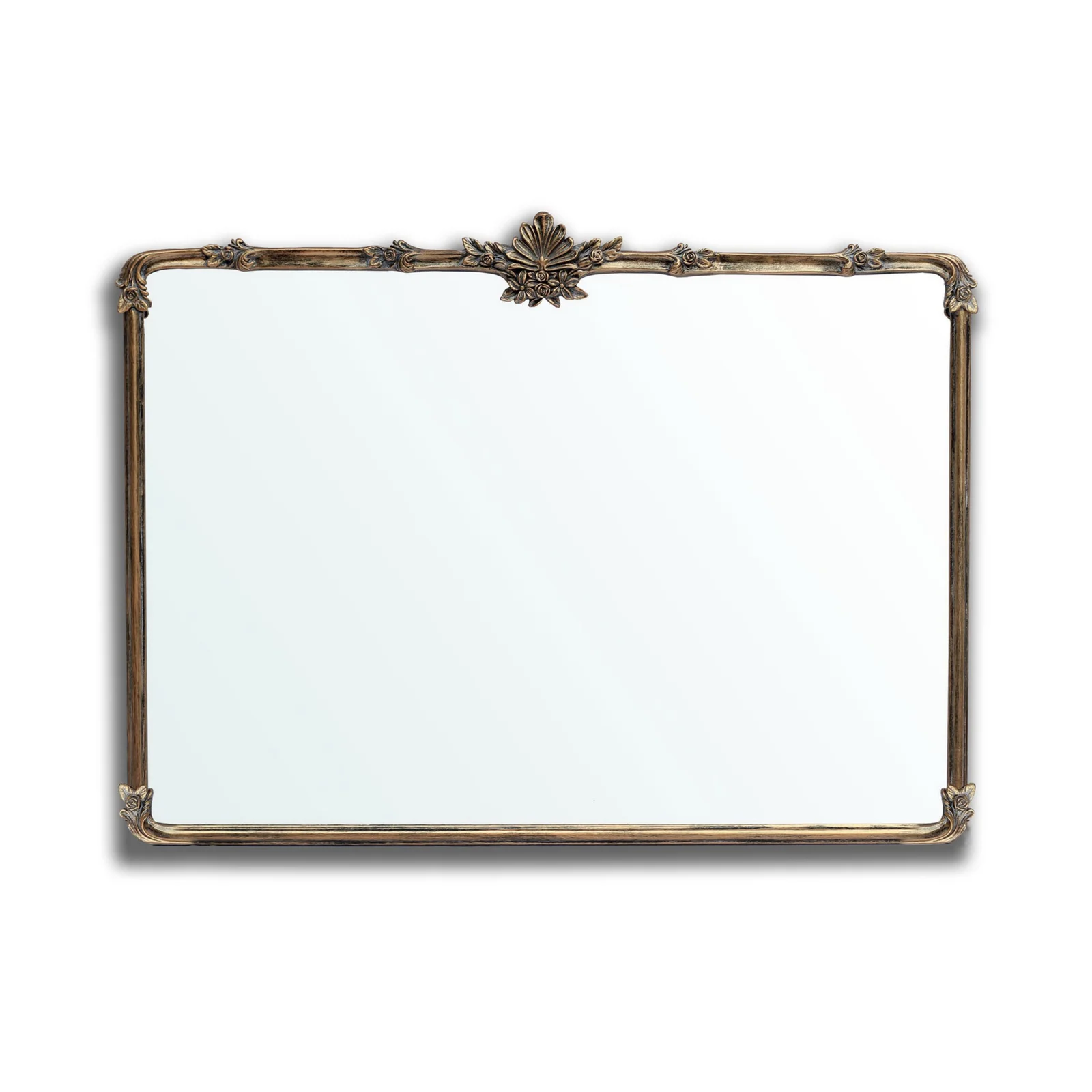
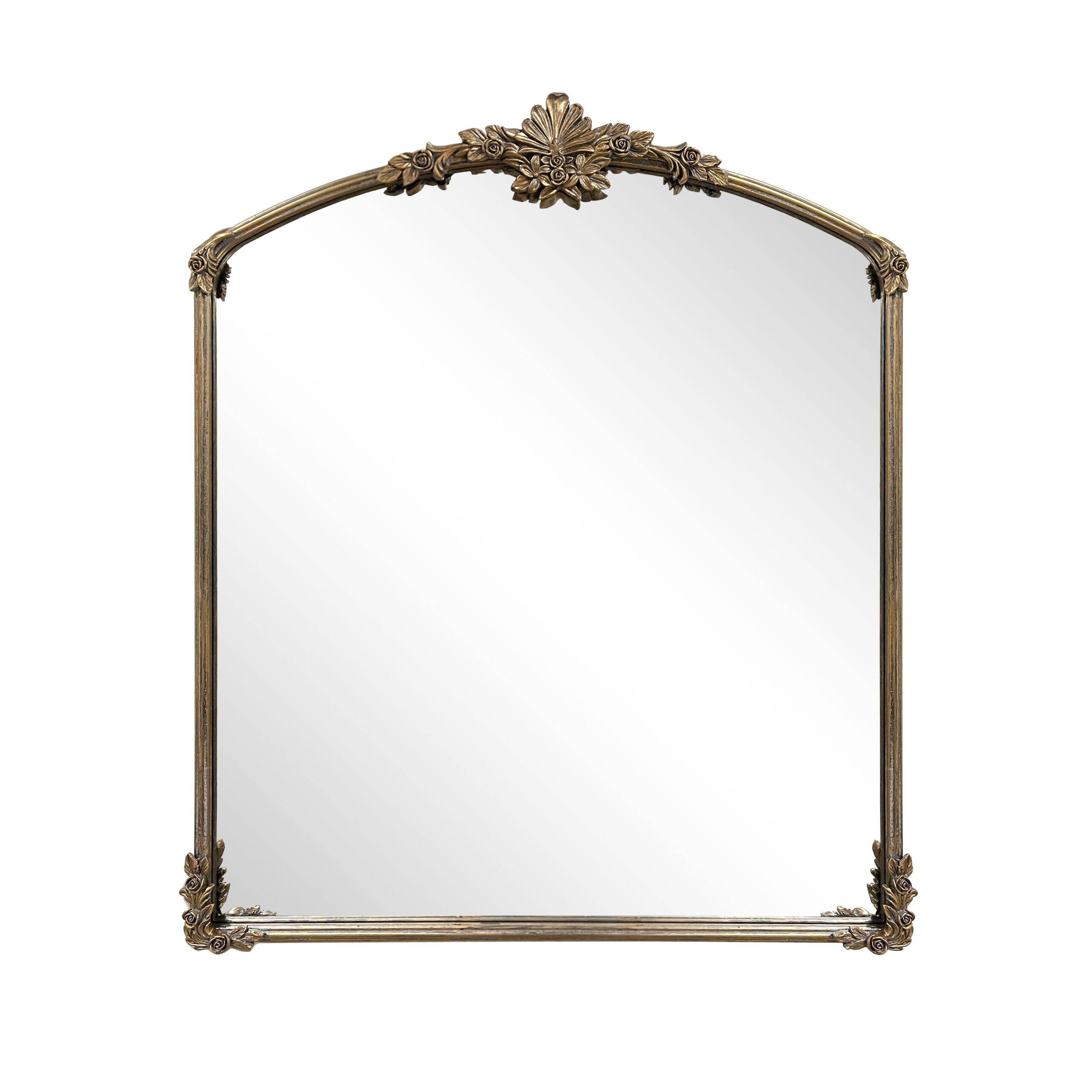
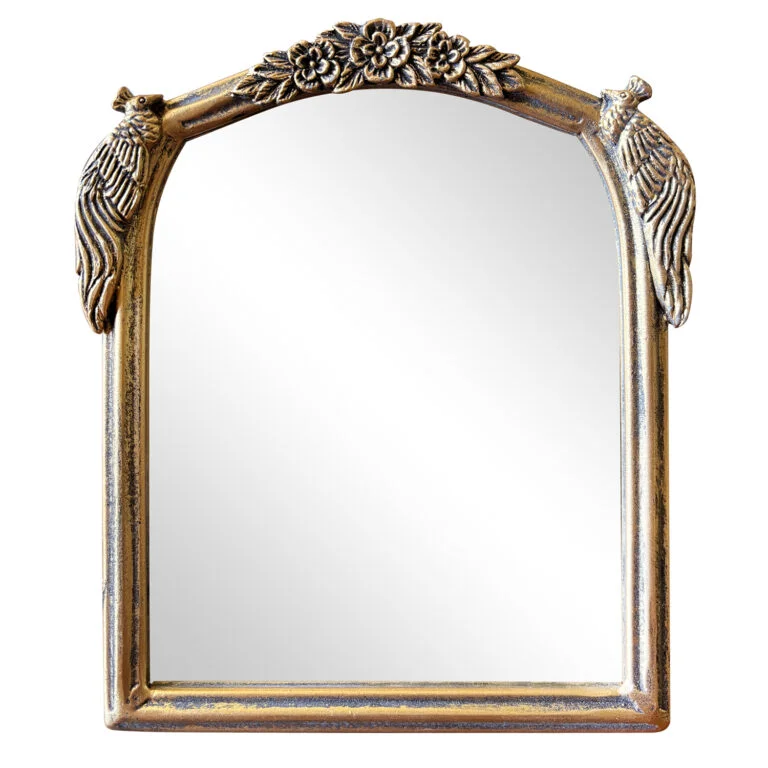
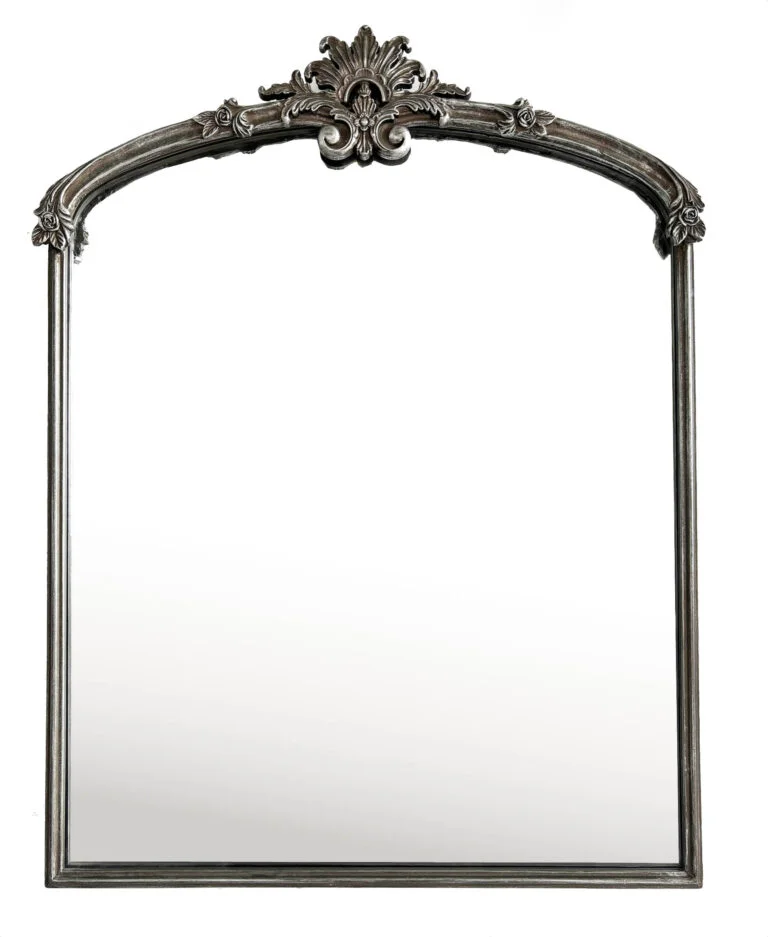
Decorative Opulence: Large, ornate mirrors are often central pieces in home decor, symbolizing elegance, luxury, and a refined taste. Intricately carved wooden or gypsum frames can be works of art themselves.
4. Truth and Clarity
The mirror does not lie. It symbolizes:
Honesty and Reality: It represents seeing things as they truly are, without deception.
Self-Awareness: It forces a true and unfiltered view of oneself, both physically and, metaphorically, spiritually.
Important Cultural Nuances and Superstitions
The symbolism isn’t all positive, and some ancient superstitions still persist, particularly in more traditional settings:
Breaking a Mirror: As in many cultures, breaking a mirror is considered very bad luck, often believed to bring seven years of misfortune. This stems from the ancient belief that a mirror holds a piece of the soul of whoever looks into it.
Covering Mirrors at Night: Some believe that mirrors are portals for spirits (jinn). Covering them at night, especially in a room where someone is sleeping or ill, prevents unwanted spiritual activity or the soul from being trapped while dreaming.
Placement in the Bedroom: There is a common superstition that a mirror should not be placed directly opposite the bed. The reasons vary: some say it can attract negative jinn, others believe it can cause marital discord, and some say it disturbs sleep as it reflects energy around the room.
Summary Table
Symbolism
Meaning
Context
Protection
Reflects the Evil Eye and negative energy
Folk belief, superstition
Spiritual Reflection
Tool for self-accountability, purity, and gratitude
Islamic teachings & values
Light & Space
Enhances brightness and creates a feeling of openness
Practical home design & aesthetics
Truth
Represents honesty, clarity, and unfiltered reality
Universal metaphor
Bad Omens
Breaking a mirror brings bad luck; uncovered mirrors at night attract spirits
Ancient superstitions
In conclusion, the mirror in an Arab home is far more than a functional object. It is a potent symbol sitting at the intersection of faith, folklore, and art—protecting the household from harm while encouraging its inhabitants to look inward and reflect on their spiritual state.
Generally speaking, our order requirements are as follows: the minimum order quantity (MOQ) for large items is 50 pieces, for regular items it is 100 pieces, for small items it is 500 pieces, and for very small items (such as ceramic decorations) the MOQ is 1,000 pieces. Orders exceeding $100,000 will receive a 5% discount. The delivery timeline is determined based on the specific order quantity and production schedule. Typically, we are able to complete delivery within two months.















Leave a Reply