Location:
ChenDianHu Industrial Area, GanZhe Town, Minhou County,
Fuzhou City, Fujian Province, China
teruiermirror
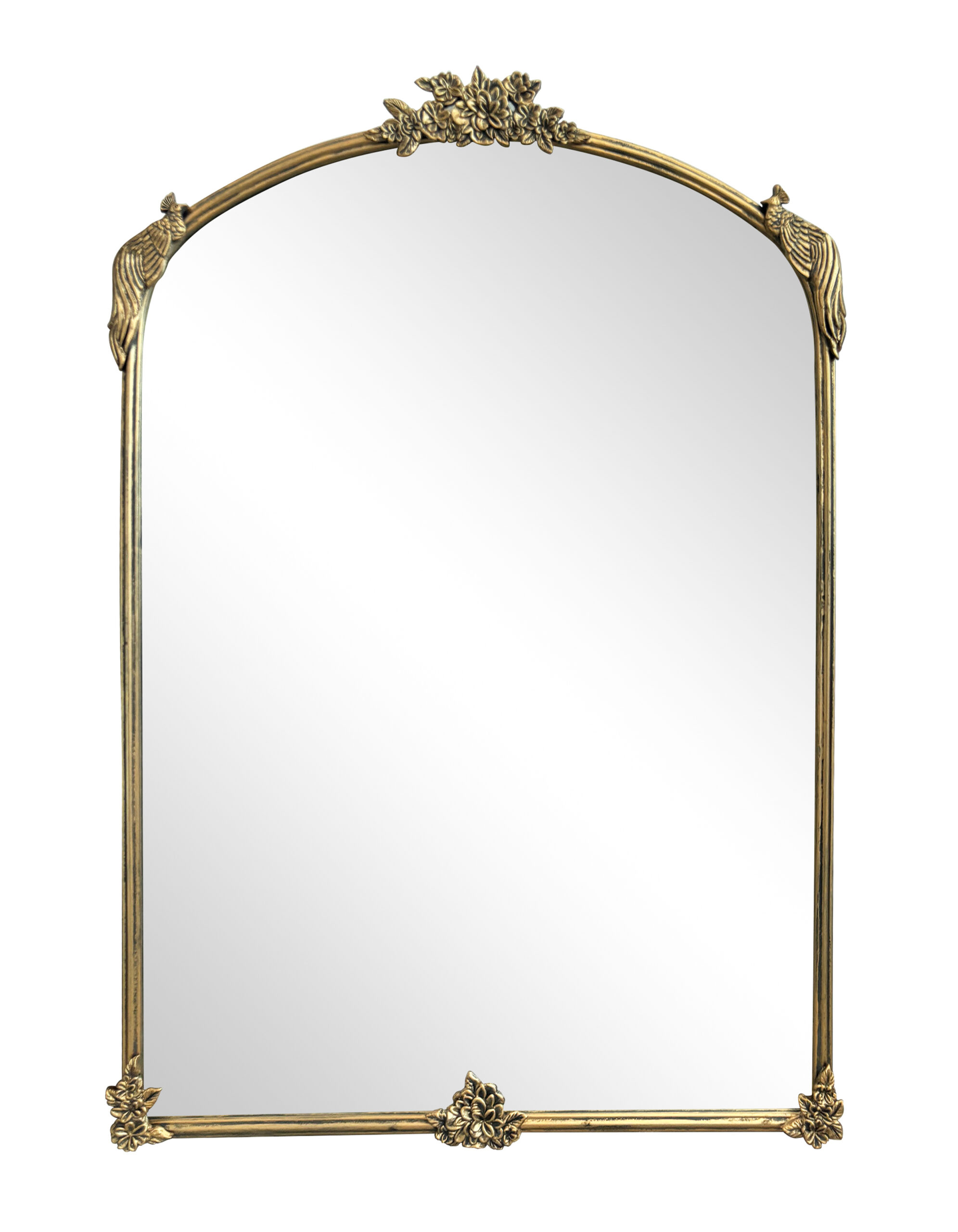
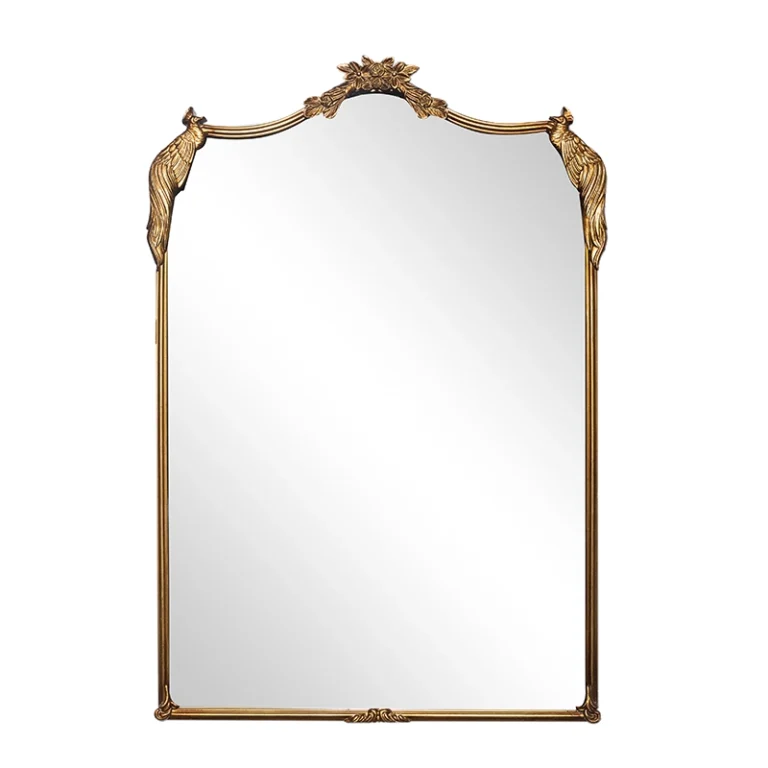
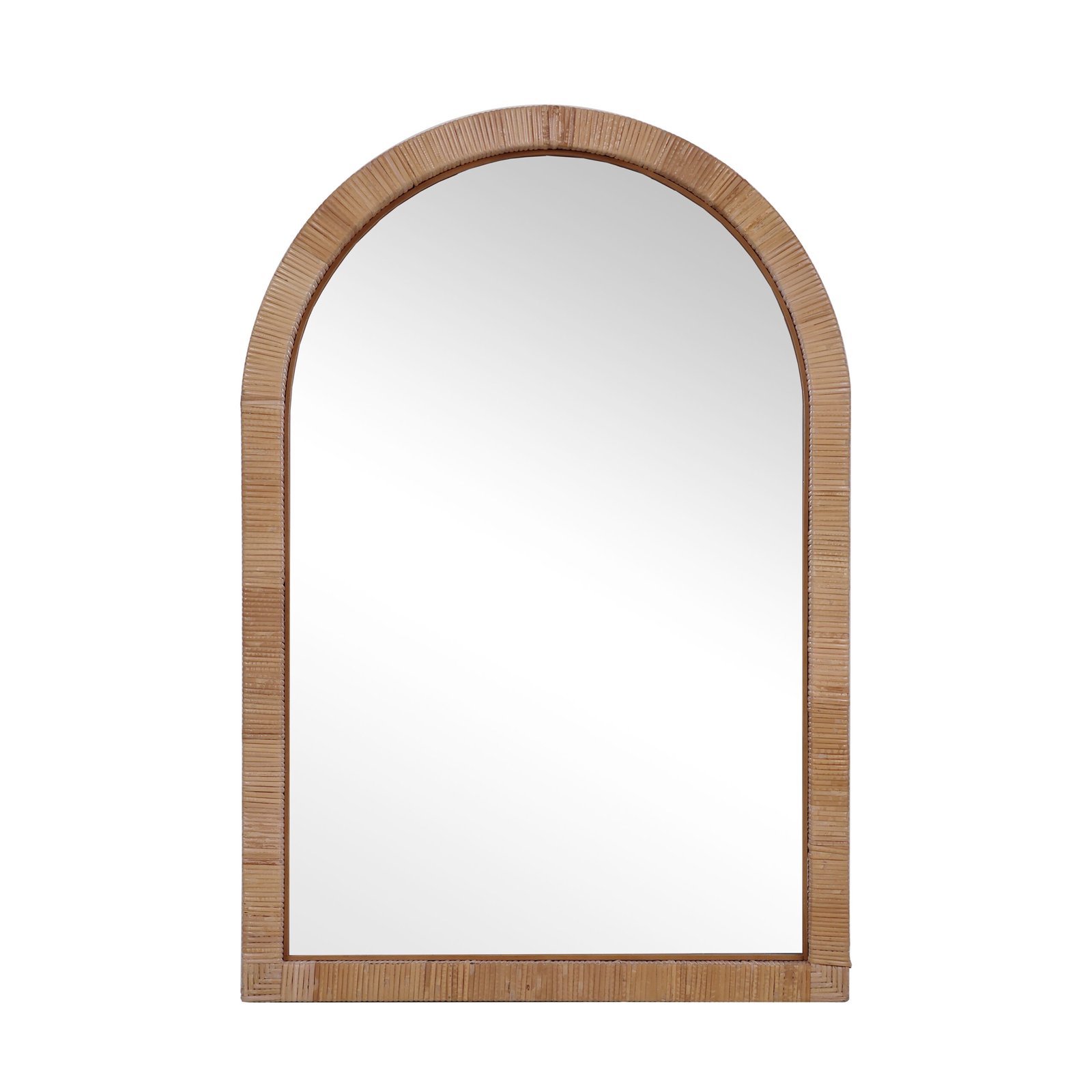
Turkish handcrafted mirror
25-09-02 64 view
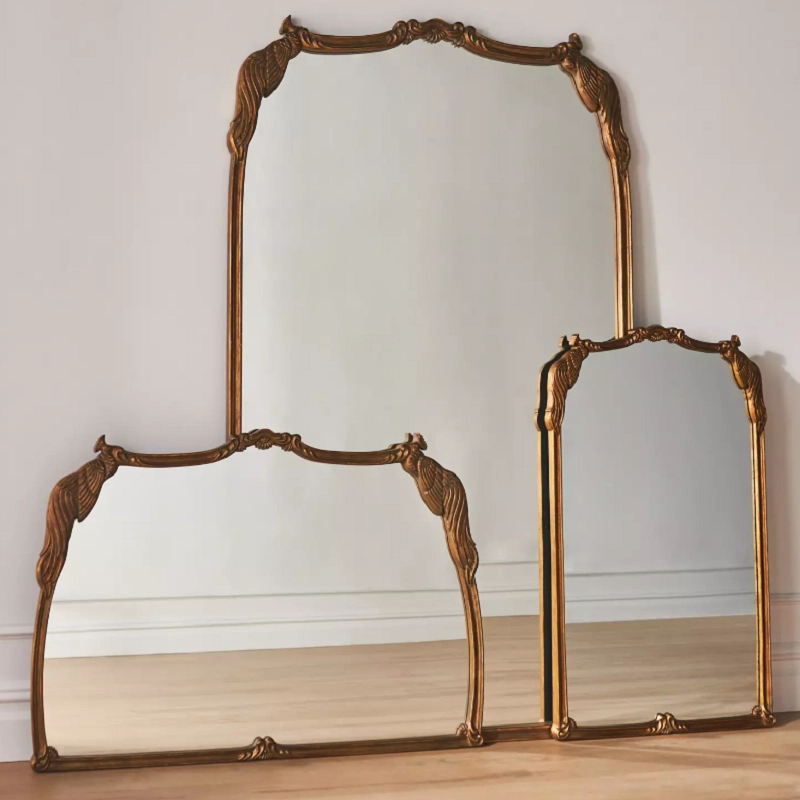
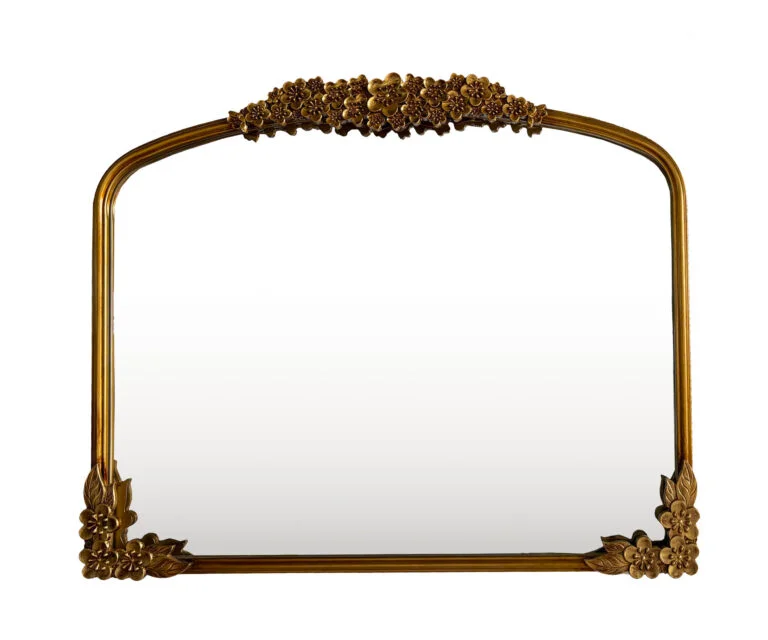
Of course! The Turkish handcrafted mirror is a stunning example of the country's rich artisanal heritage, blending function with exquisite art. It's much more than a reflective surface; it's a piece of cultural history and a work of art. Here’s a comprehensive guide to everything you need to know about these beautiful objects. The Art of Turkish Handcrafted Mirrors Turkish mirrors are renowned for their elaborate frames, which are crafted using a variety of traditional techniques. The mirror glass itself is often beveled or has a slightly antique, smoky quality, adding to its charm. 1. Key Craftsmanship Techniques The value and beauty of a Turkish mirror lie almost entirely in its frame, which is made using these primary techniques: Silver / Mercury Leaf Gilding (Varak): This is the most traditional and prized method. Process: A thin sheet of real silver or a silver-mercury amalgam is carefully applied to the prepared wooden frame. Over time, the silver naturally oxidizes, developing a rich, deep, and warm patina that cannot be replicated artificially. Modern versions may use gold leaf or other metals. Look: This technique creates a deep, luminous, and antique glow that is highly sought after. Hammered Metalwork (Telkari / Tav İşi): Process: Artisans, often from cities like Gaziantep, hand-hammer and engrave sheets of brass, copper, or silver into intricate patterns. The designs are often floral or geometric. Look: This results in a textured, robust, and highly detailed frame with a majestic presence. Mother of Pearl Inlay (Sedef Kakma): Process: Pieces of iridescent mother-of-pearl shell are meticulously cut and inlaid into a wooden (usually walnut or ebony) frame. This is a painstaking and highly skilled art form. Look: The frame shimmers with a rainbow of colors as light hits it from different angles. This style is elegant and luxurious. Ottoman-style Embossed & Painted: Process: Wooden frames are carved with relief patterns (often floral motifs like tulips, carnations, and roses) and then hand-painted with vibrant colors and gold leaf details. Look: This style is opulent, colorful, and directly references the decorative arts of the Ottoman Empire. Cement / Gypsum Tiles (Çini Motifs): Process: While less common for full frames, some mirrors feature borders or accents made with traditional Iznik-style ceramic tiles or frames made from gypsum carved and painted to mimic the tile work. Look: Bright, cobalt blue, turquoise, and coral red patterns on a white background. This style is instantly recognizable and deeply Turkish. 2. Common Motifs and Designs The designs are deeply symbolic and drawn from centuries of Islamic and Ottoman art: Floral Patterns: Tulips (symbol of God and paradise), carnations, roses, and hyacinths. Geometric Patterns: Interlocking stars, polygons, and intricate lines symbolizing infinity and the unity of creation. Islamic Calligraphy: Sometimes features verses from the Quran or poetic phrases. The Evil Eye (Nazar Boncuğu): Many mirrors incorporate the…
Of course! The Turkish handcrafted mirror is a stunning example of the country’s rich artisanal heritage, blending function with exquisite art. It’s much more than a reflective surface; it’s a piece of cultural history and a work of art.
Here’s a comprehensive guide to everything you need to know about these beautiful objects.
The Art of Turkish Handcrafted Mirrors
Turkish mirrors are renowned for their elaborate frames, which are crafted using a variety of traditional techniques. The mirror glass itself is often beveled or has a slightly antique, smoky quality, adding to its charm.
1. Key Craftsmanship Techniques
The value and beauty of a Turkish mirror lie almost entirely in its frame, which is made using these primary techniques:
Silver / Mercury Leaf Gilding (Varak): This is the most traditional and prized method.
Process: A thin sheet of real silver or a silver-mercury amalgam is carefully applied to the prepared wooden frame. Over time, the silver naturally oxidizes, developing a rich, deep, and warm patina that cannot be replicated artificially. Modern versions may use gold leaf or other metals.
Look: This technique creates a deep, luminous, and antique glow that is highly sought after.
Hammered Metalwork (Telkari / Tav İşi):
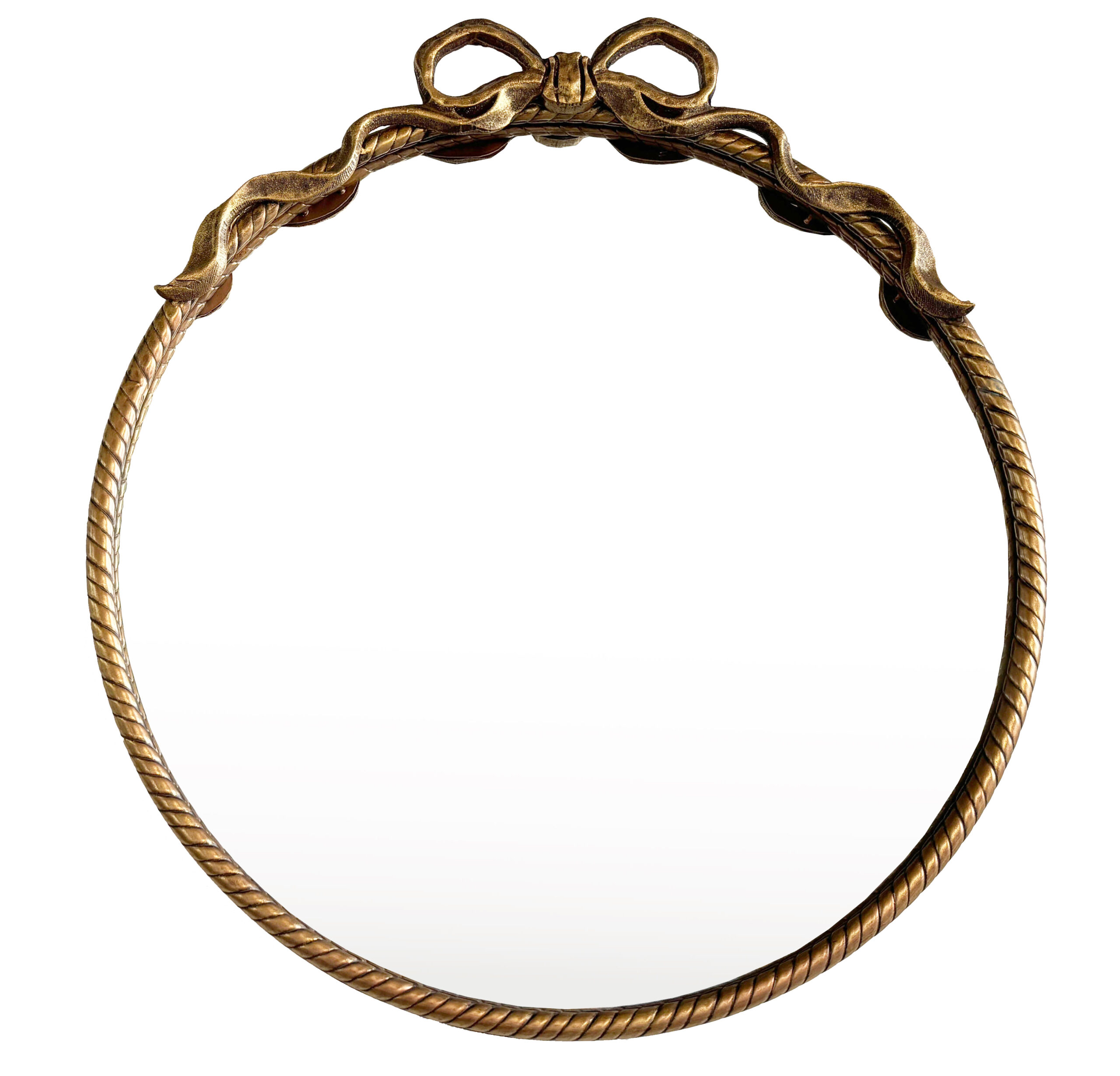
Process: Artisans, often from cities like Gaziantep, hand-hammer and engrave sheets of brass, copper, or silver into intricate patterns. The designs are often floral or geometric.
Look: This results in a textured, robust, and highly detailed frame with a majestic presence.
Mother of Pearl Inlay (Sedef Kakma):
Process: Pieces of iridescent mother-of-pearl shell are meticulously cut and inlaid into a wooden (usually walnut or ebony) frame. This is a painstaking and highly skilled art form.
Look: The frame shimmers with a rainbow of colors as light hits it from different angles. This style is elegant and luxurious.
Ottoman-style Embossed & Painted:
Process: Wooden frames are carved with relief patterns (often floral motifs like tulips, carnations, and roses) and then hand-painted with vibrant colors and gold leaf details.
Look: This style is opulent, colorful, and directly references the decorative arts of the Ottoman Empire.
Cement / Gypsum Tiles (Çini Motifs):
Process: While less common for full frames, some mirrors feature borders or accents made with traditional Iznik-style ceramic tiles or frames made from gypsum carved and painted to mimic the tile work.
Look: Bright, cobalt blue, turquoise, and coral red patterns on a white background. This style is instantly recognizable and deeply Turkish.
2. Common Motifs and Designs
The designs are deeply symbolic and drawn from centuries of Islamic and Ottoman art:
Floral Patterns: Tulips (symbol of God and paradise), carnations, roses, and hyacinths.
Geometric Patterns: Interlocking stars, polygons, and intricate lines symbolizing infinity and the unity of creation.
Islamic Calligraphy: Sometimes features verses from the Quran or poetic phrases.
The Evil Eye (Nazar Boncuğu): Many mirrors incorporate the blue evil eye bead into the design, usually at the top, for protection.
Where to Find Them in Turkey
Grand Bazaar (Kapalıçarşı), Istanbul: The epicenter. Numerous shops specialize in handcrafted mirrors. Be prepared to negotiate.
Çukurcuma Neighborhood, Istanbul: Famous for its antique shops, where you can find genuine vintage and antique pieces.
Gaziantep: The capital of copperware and metal hammer work. You can find spectacular hammered metal mirrors here, often at better prices than Istanbul.
Bursa: Known for its silk and also for its traditional Ottoman-style crafts.
Antique and Craft Fairs: Look for annual fairs like the Antique Fair in Istanbul.
What to Look For When Buying
Authenticity: Ask the seller about the technique. Is it hand-made (el yapımı)? Is the leaf real silver? A genuine antique will cost significantly more than a new handcrafted piece.
Craftsmanship: Examine the details. Is the carving precise? Is the inlay smooth and flush? Is the painting neat? Minor imperfections can be a sign of true handcrafting, but the overall quality should be high.
Size and Weight: These mirrors are often heavy. Consider how you will transport it and hang it securely on your wall.
Patina: On silver-leaf mirrors, the patina (the darkening in the crevices) is desirable and authentic. Avoid mirrors that look artificially “aged” with black paint.
Price Range
Prices vary enormously based on:
Size: From small 20cm accent mirrors to large 1m+ statement pieces.
Generally speaking, our order requirements are as follows: the minimum order quantity (MOQ) for large items is 50 pieces, for regular items it is 100 pieces, for small items it is 500 pieces, and for very small items (such as ceramic decorations) the MOQ is 1,000 pieces. Orders exceeding $100,000 will receive a 5% discount. The delivery timeline is determined based on the specific order quantity and production schedule. Typically, we are able to complete delivery within two months.











-scaled.jpg)
Leave a Reply