Location:
ChenDianHu Industrial Area, GanZhe Town, Minhou County,
Fuzhou City, Fujian Province, China
teruiermirror
how to style a wall mirror in living room
25-08-26 72 view
Of course! Styling a wall mirror in the living room is a fantastic way to add light, depth, and personality to your space. It's more than just hanging a mirror; it's about integrating it into your overall decor. Here’s a comprehensive guide on how to style a wall mirror, from choosing the right one to the final decorative touches. 1. Choose the Right Mirror for Your Space First, consider the mirror's style, as it sets the tone. Modern/Minimalist: Opt for mirrors with clean lines, thin frames (or frameless), and geometric shapes like circles, ovals, or simple rectangles. Materials can be metal, blackened steel, or plain wood. Traditional/Classic: Look for mirrors with ornate frames, often in gold, silver, or dark wood. Details like carvings, scalloped edges, or a sunburst design work well. Rustic/Industrial: Choose mirrors with distressed wood frames, live edges, black iron piping, or frames made from reclaimed materials. Bohemian/Eclectic: Consider vintage finds, Moroccan-style hammered metal mirrors, or those with colorful, tiled borders. 2. Strategic Placement & Hanging Where and how you hang the mirror is crucial for maximum impact. Opposite a Window: This is the golden rule. Placing a mirror directly across from a window maximizes natural light, bouncing it around the room and making the space feel brighter and larger. Above the Sofa: A very popular and effective placement. The mirror acts as a "headboard" for your sofa, creating a focal point. Ensure it's not wider than the sofa (ideally 2/3 to 3/4 of the sofa's width) and hung low enough to feel connected (typically 6-10 inches above the back of the sofa). Above a Console Table or Fireplace: This creates a dedicated vignette. The table or mantelpiece provides a surface for layering decor in front of and below the mirror. In a Dark Corner: Use a mirror to brighten a neglected corner. Pair it with a floor lamp or a tall plant to enhance the effect. As Part of a Gallery Wall: Mix your mirror with artwork and photographs. This adds dimension and keeps the eye moving. The mirror's reflective surface breaks up the solid visuals of the other pieces. Pro Hanging Tip: The center of the mirror should be at approximately eye level (around 57-65 inches from the floor). Adjust this rule for placements above furniture, where the mirror should relate to the piece below it. 3. Styling Techniques & Ideas This is where you bring it all together. Here are several effective ways to style your mirror: A. The Layered Look (Above a Console Table) This is the most dynamic approach. You create depth by placing objects in front of the mirror. How to do it: Place your console table against the wall. Hang the mirror centered above it. Style the tabletop with a mix of objects.…
Of course! Styling a wall mirror in the living room is a fantastic way to add light, depth, and personality to your space. It’s more than just hanging a mirror; it’s about integrating it into your overall decor.
Here’s a comprehensive guide on how to style a wall mirror, from choosing the right one to the final decorative touches.
1. Choose the Right Mirror for Your Space
First, consider the mirror’s style, as it sets the tone.
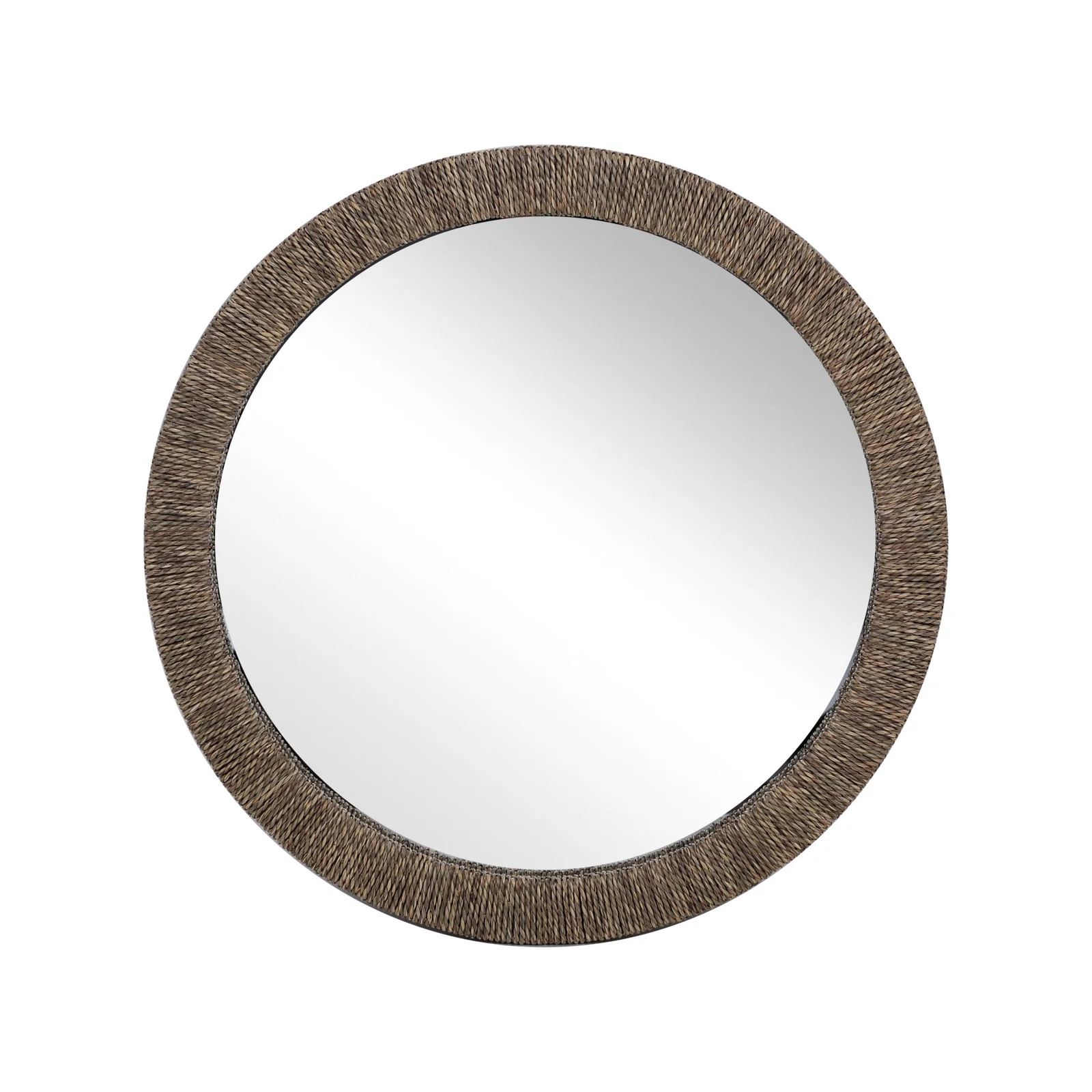
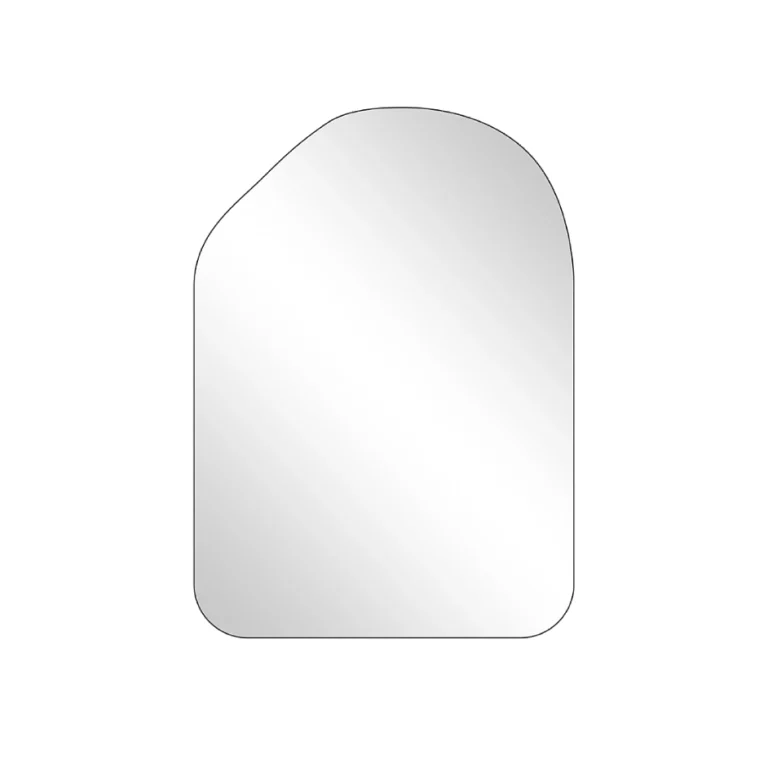
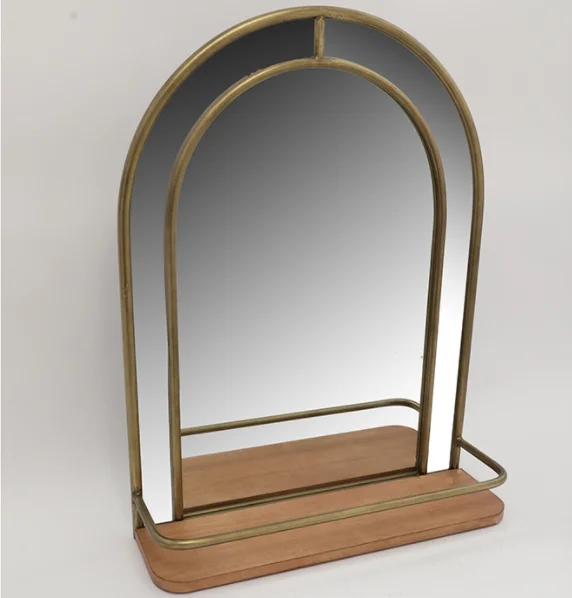
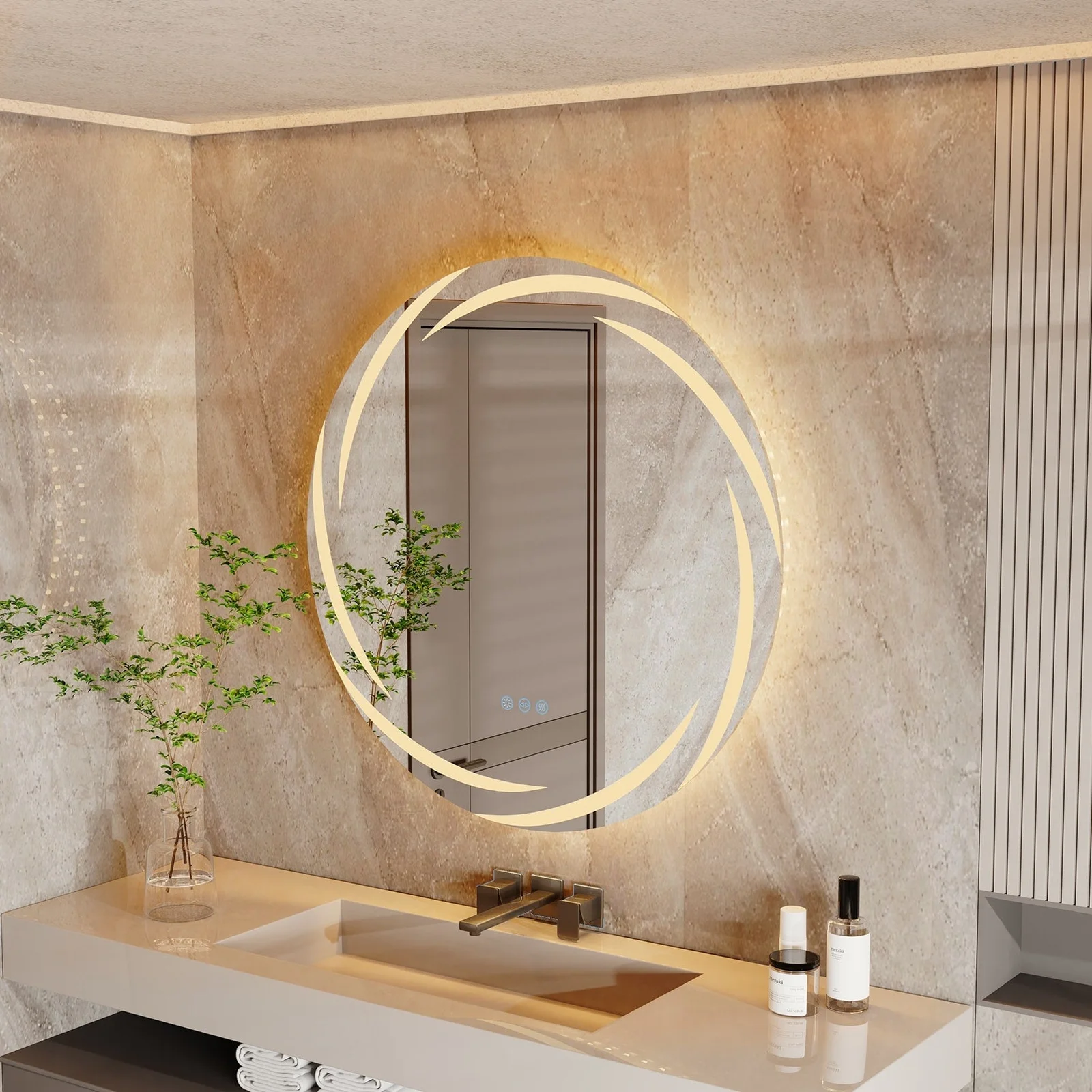
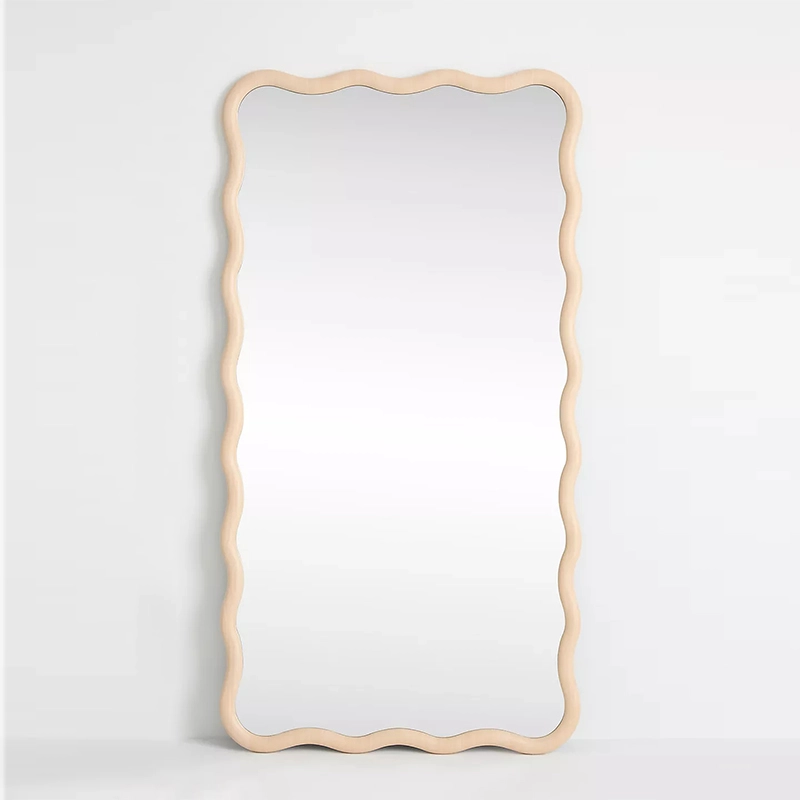
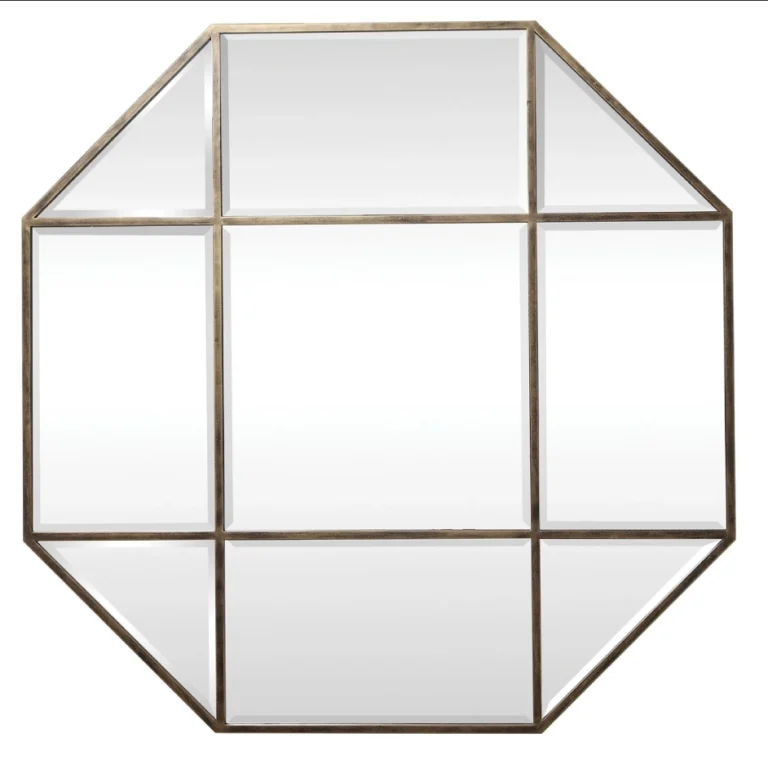
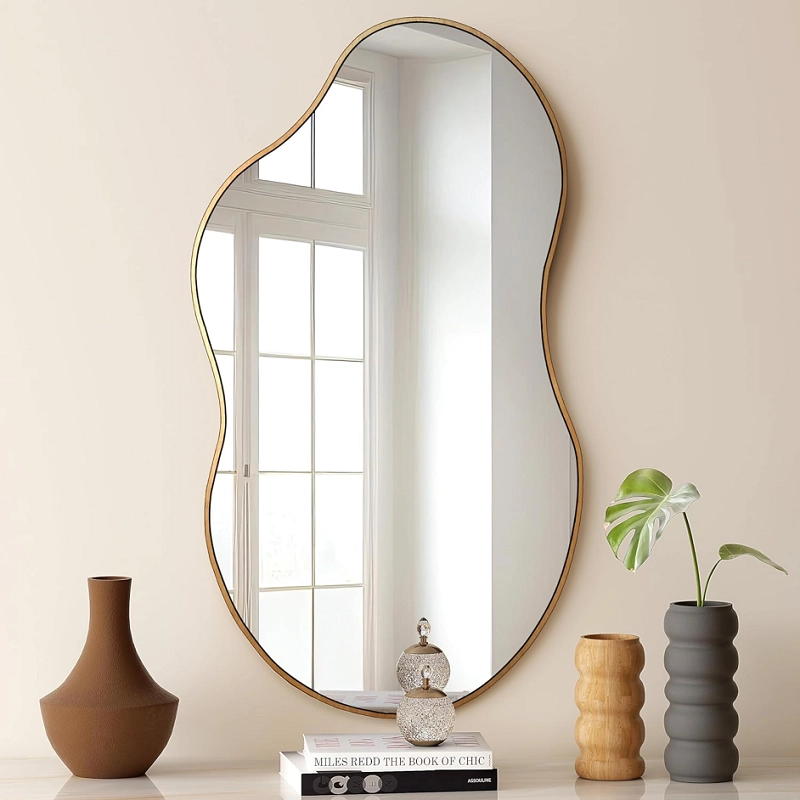
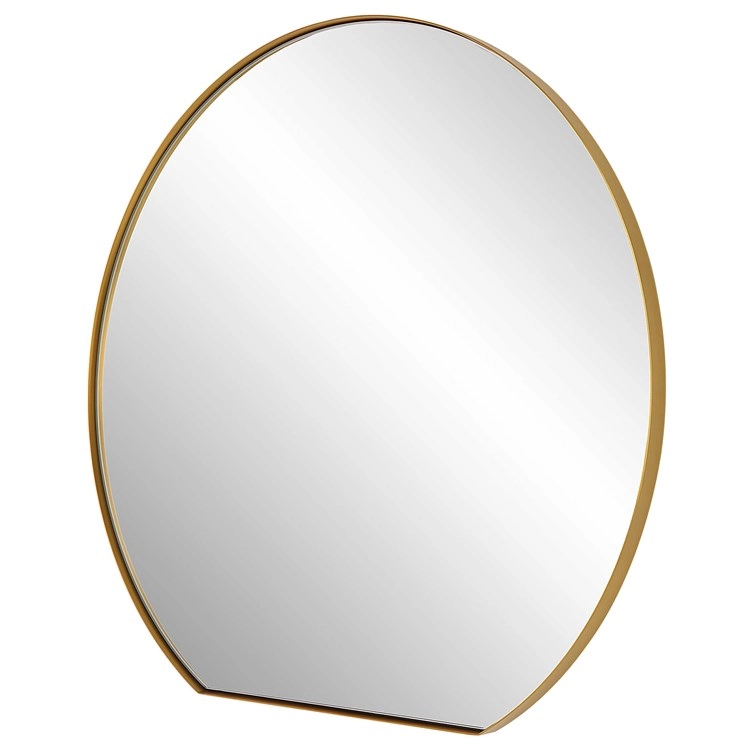
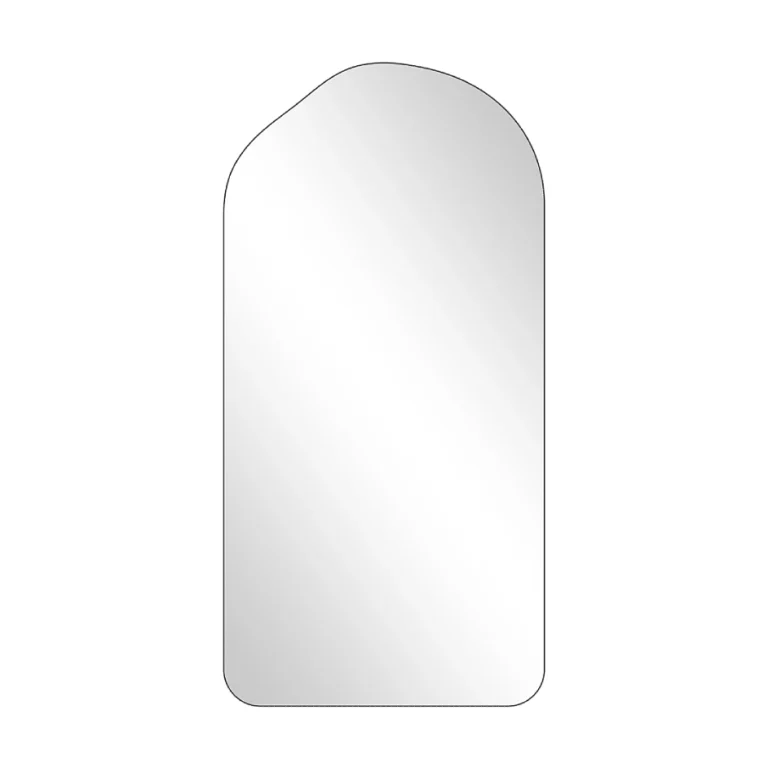
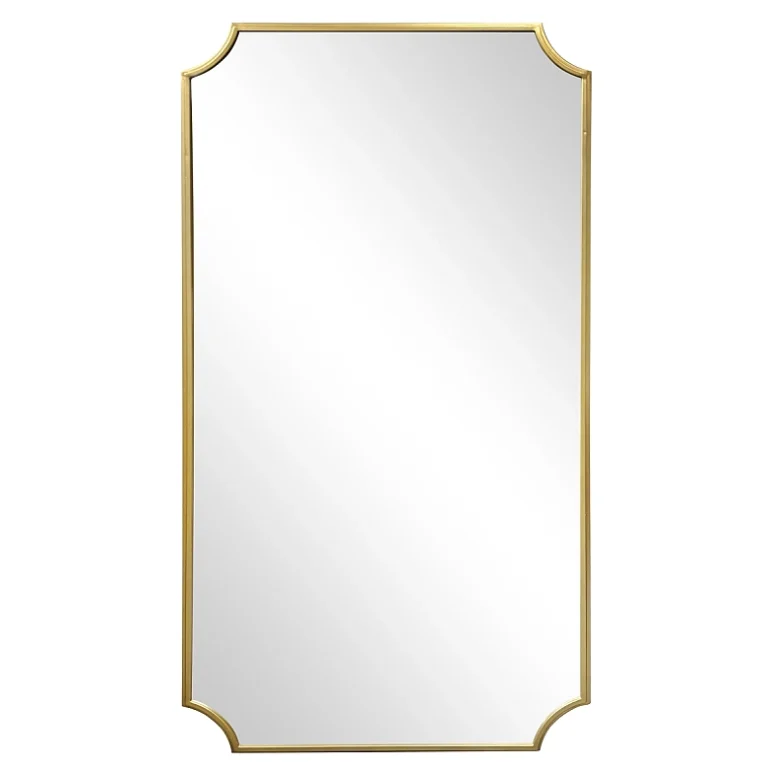
Modern/Minimalist: Opt for mirrors with clean lines, thin frames (or frameless), and geometric shapes like circles, ovals, or simple rectangles. Materials can be metal, blackened steel, or plain wood.
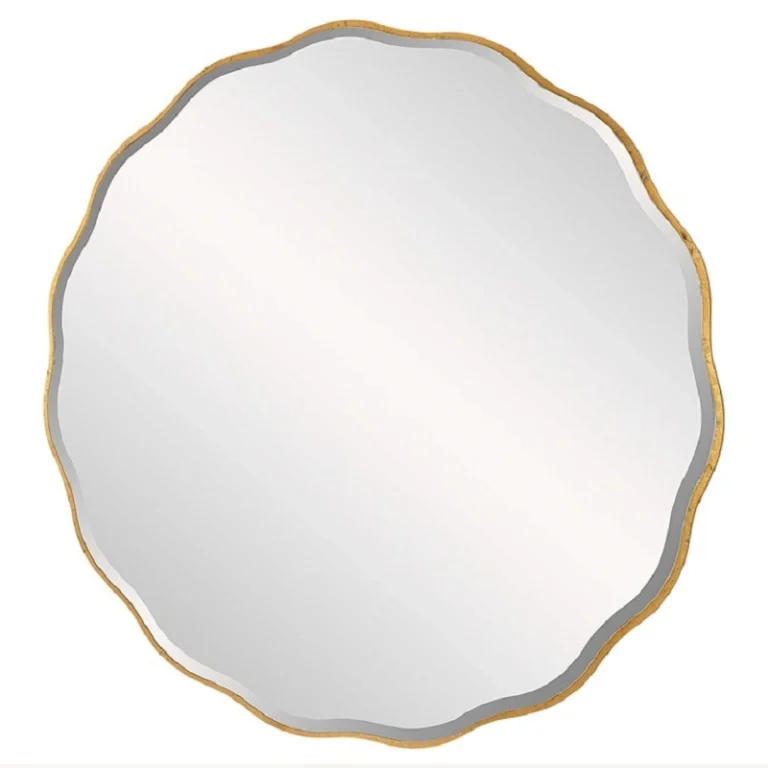
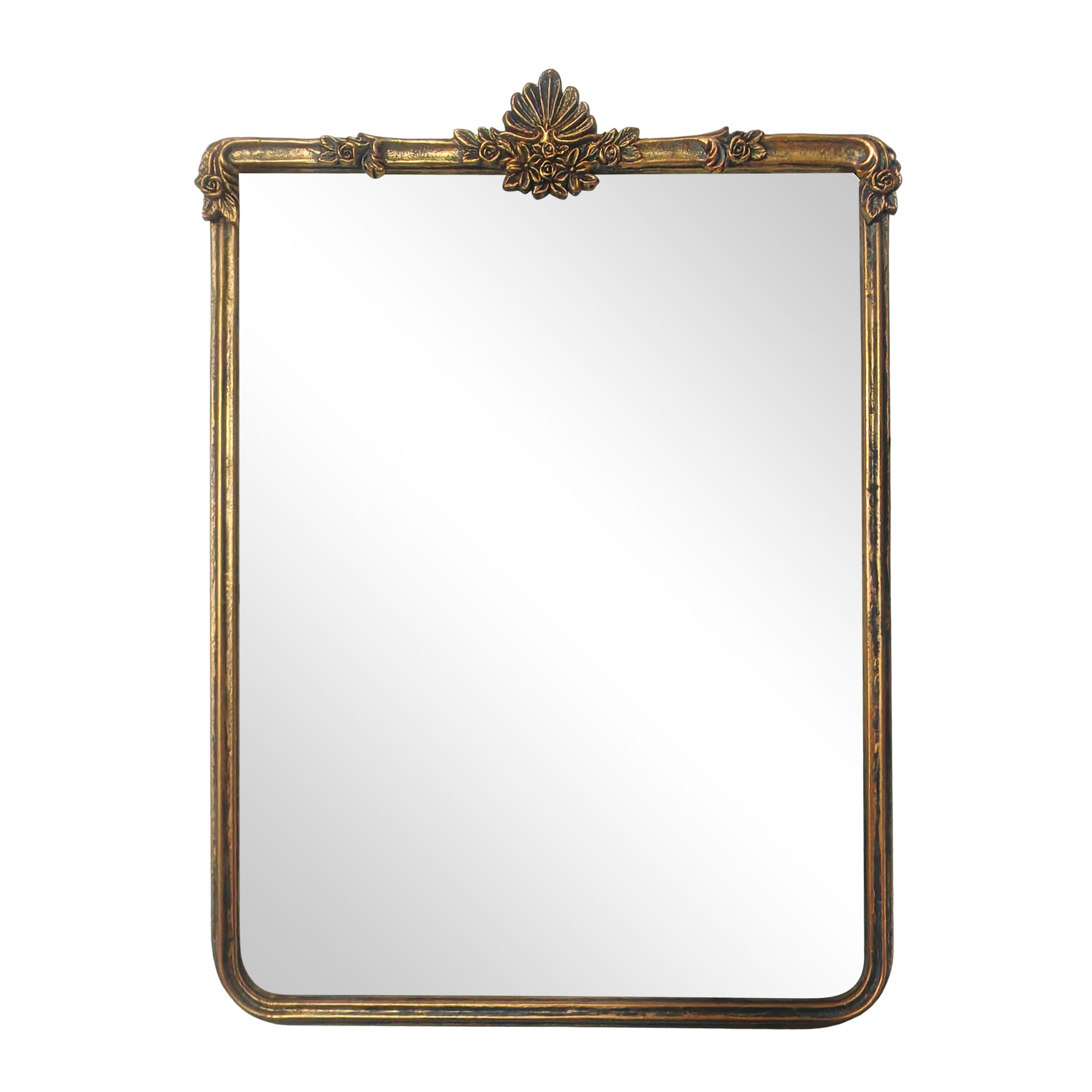
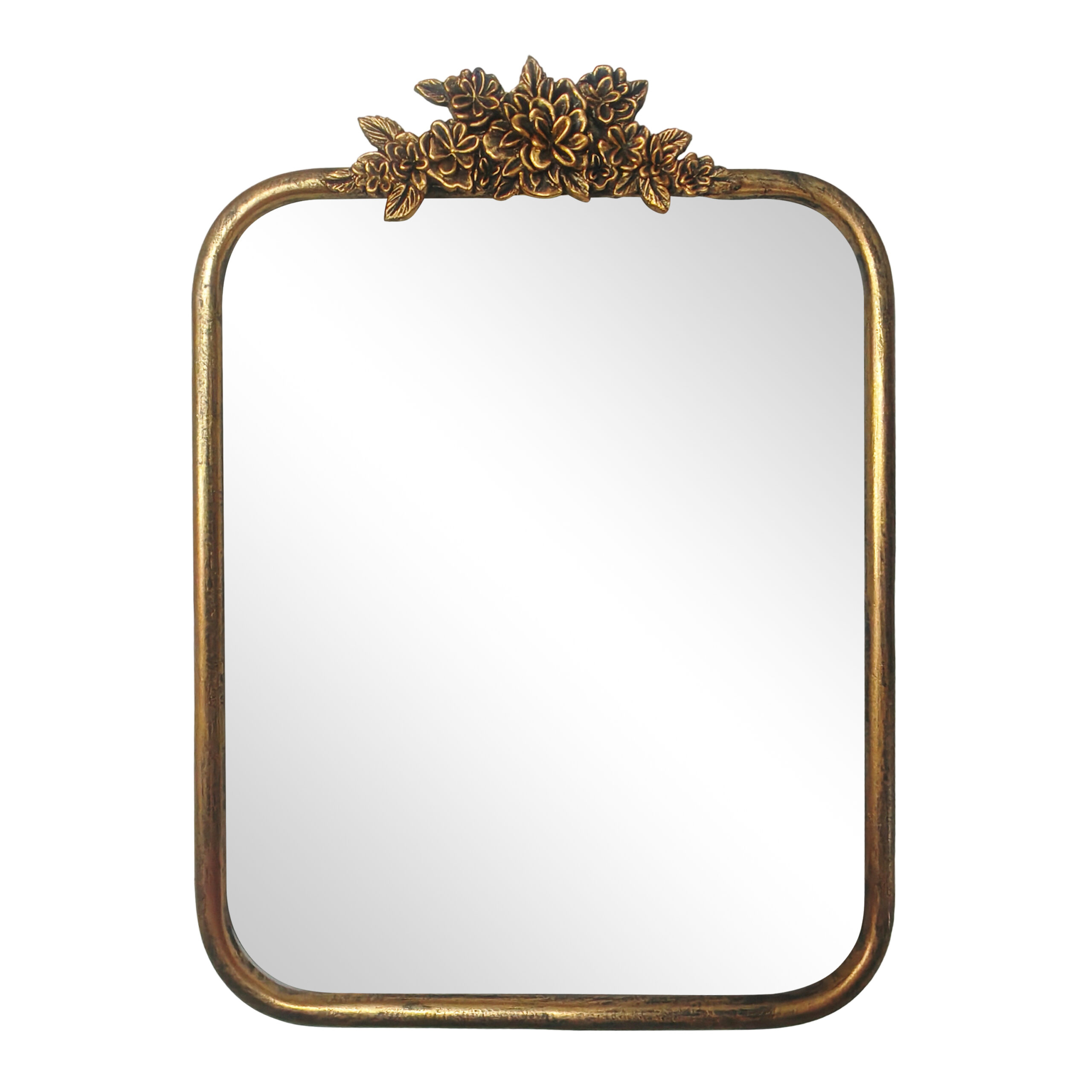
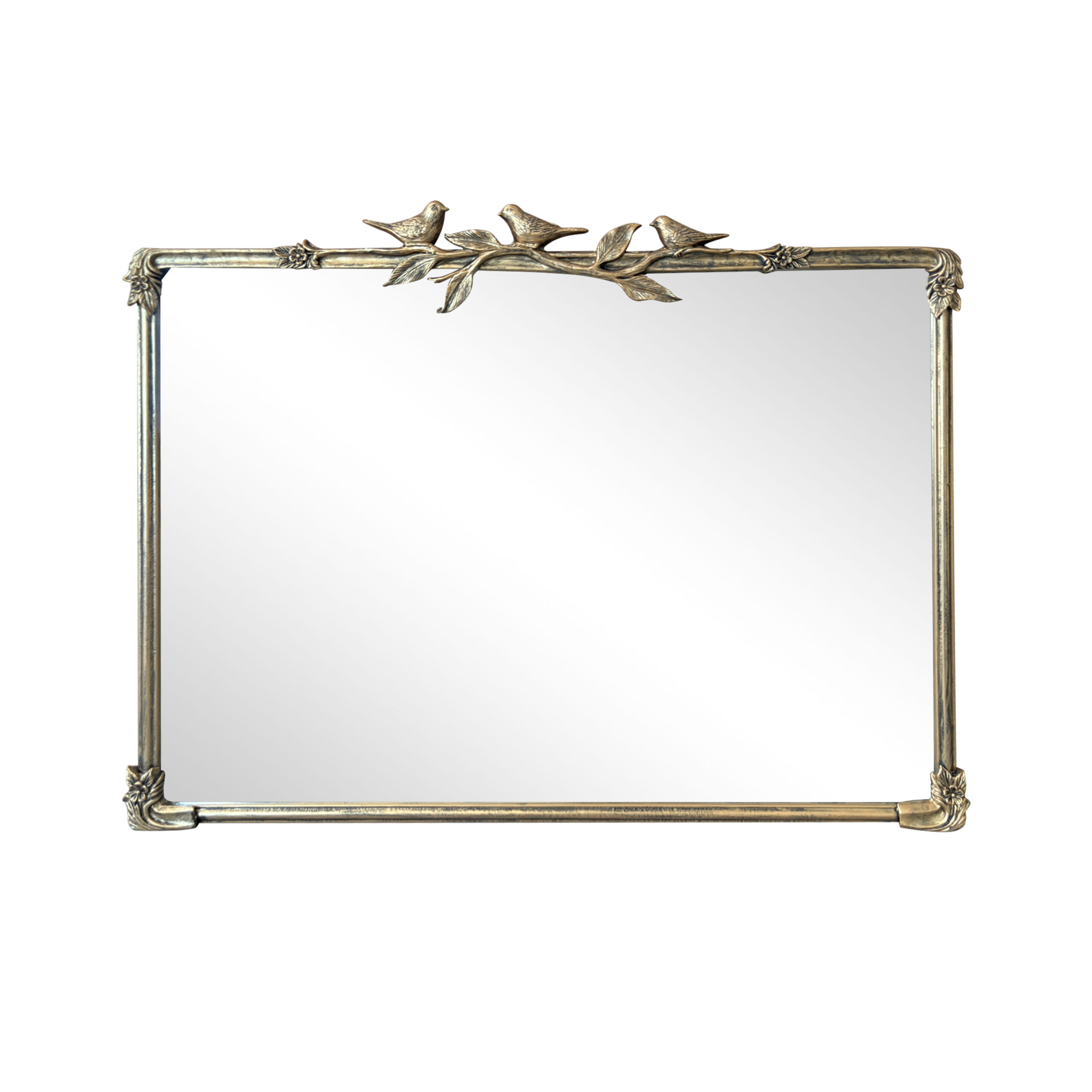
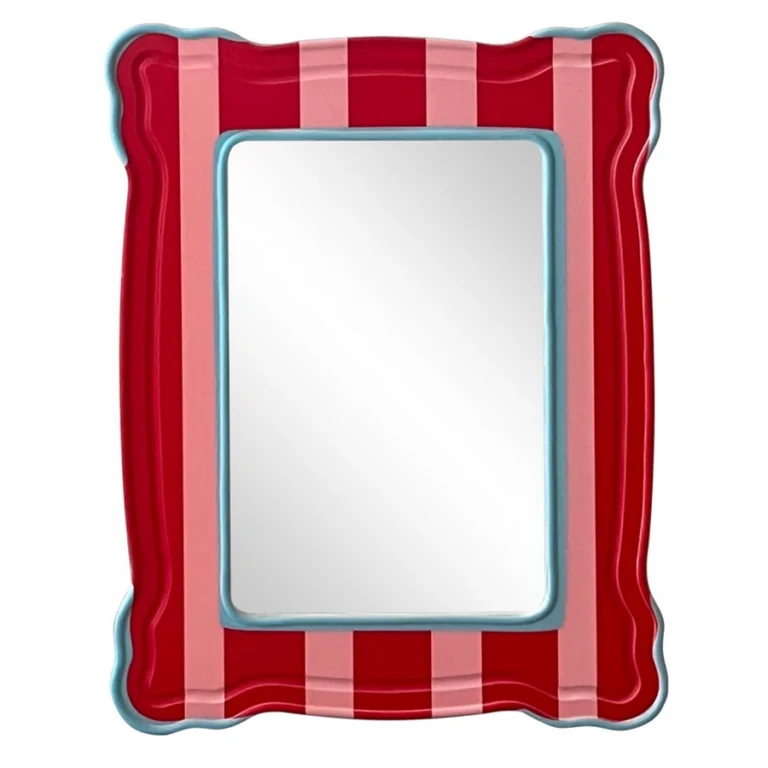
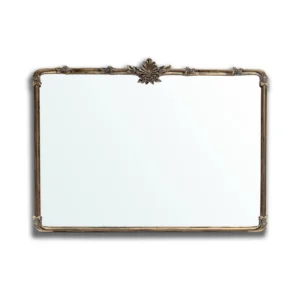
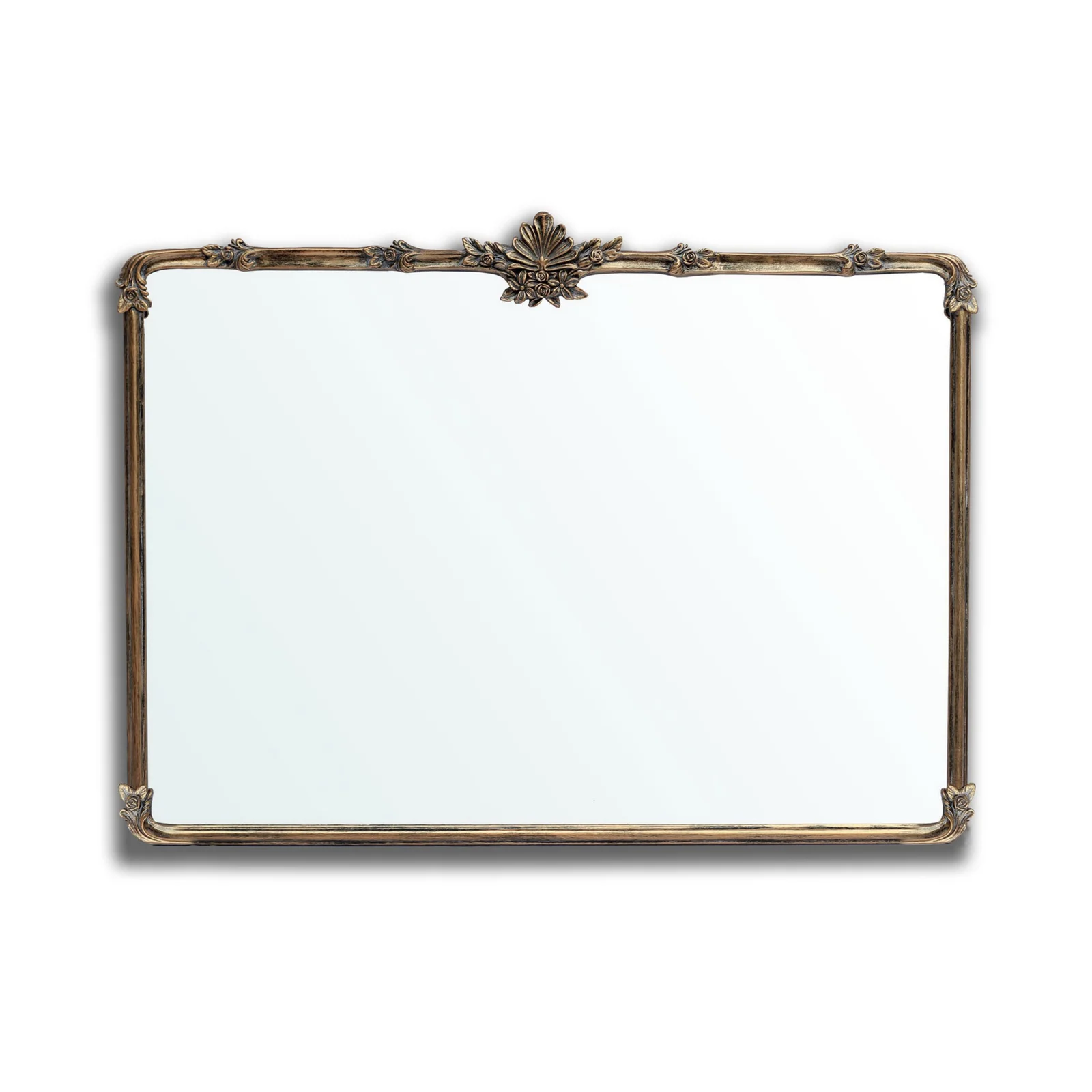
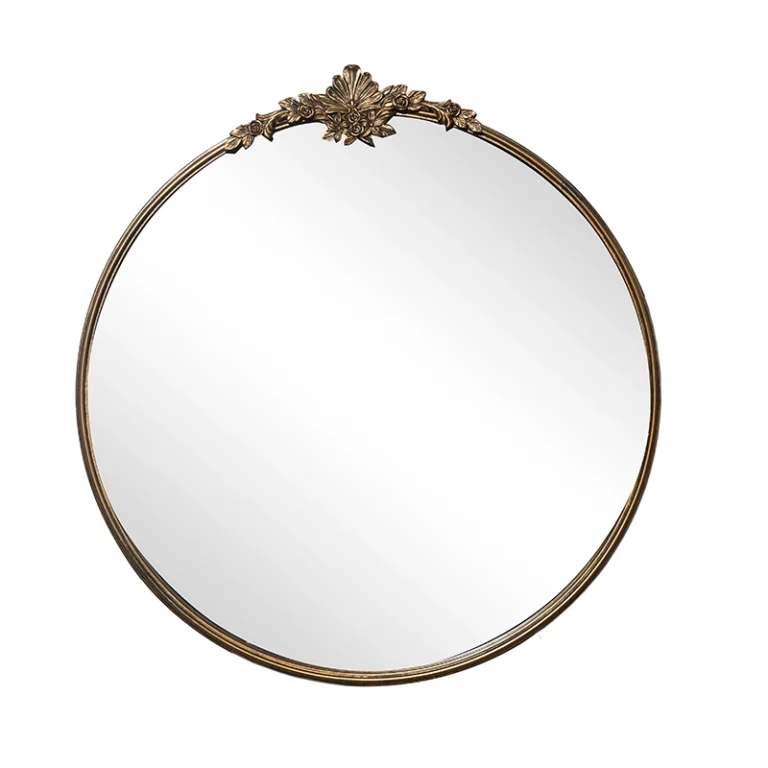
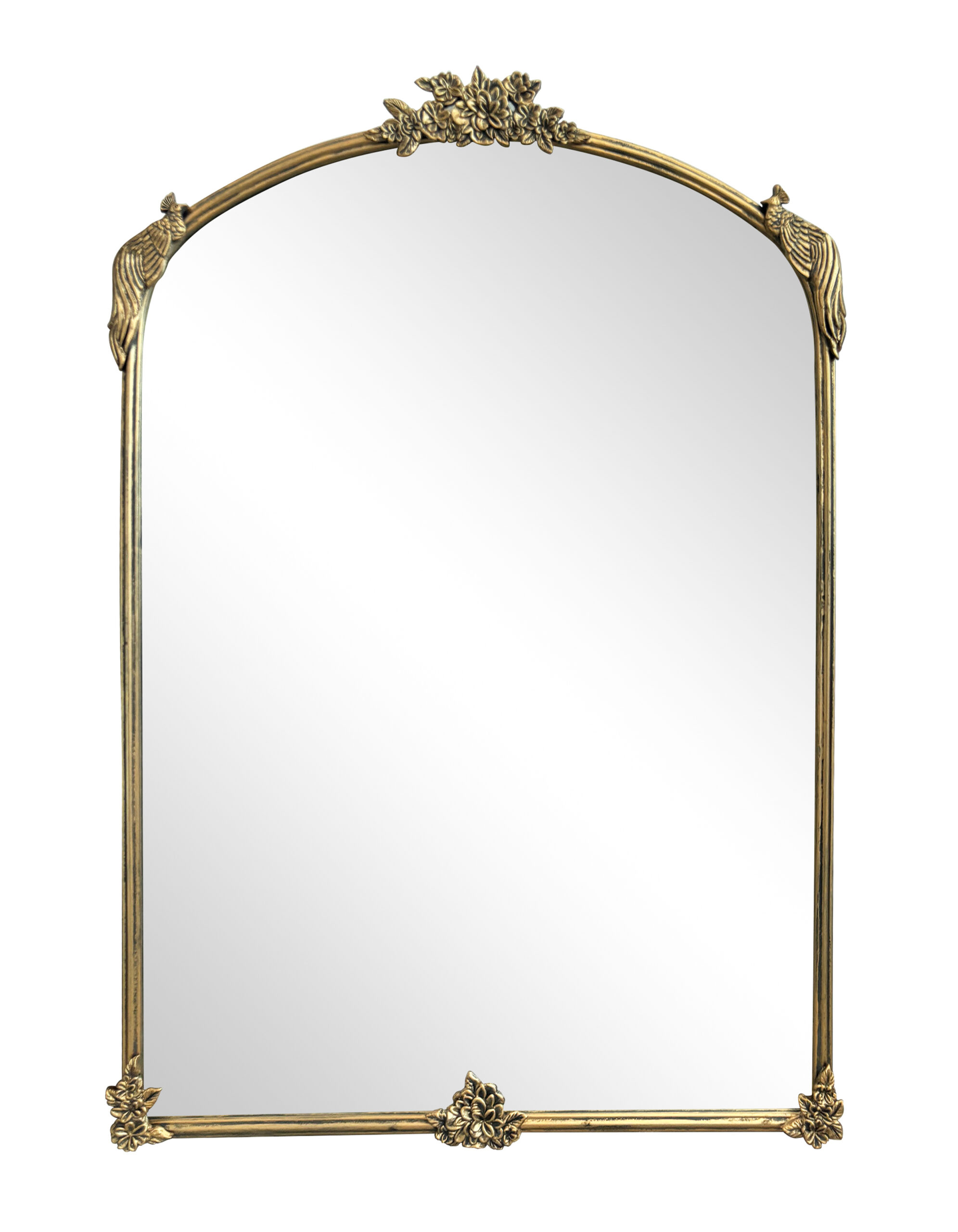
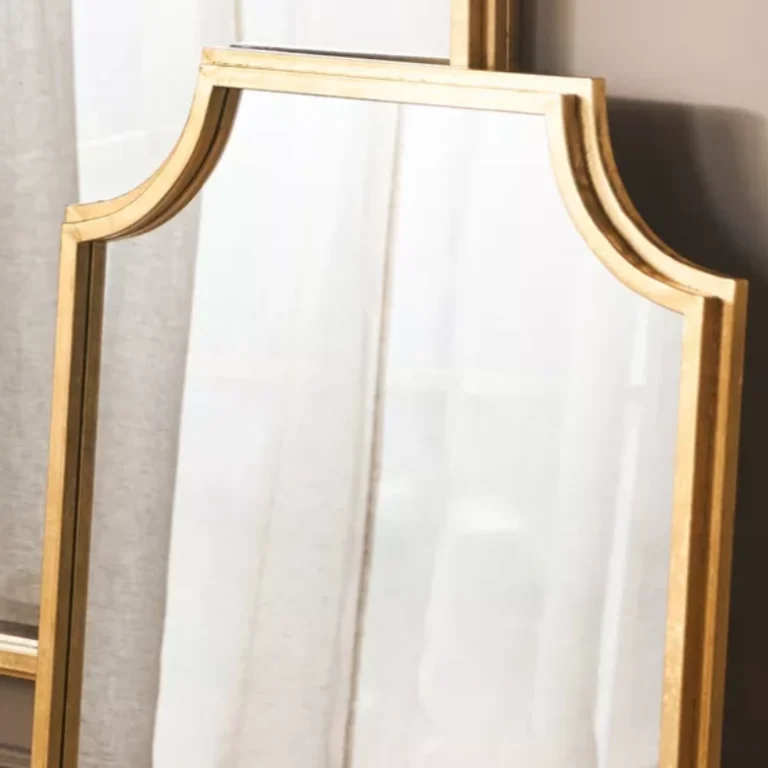
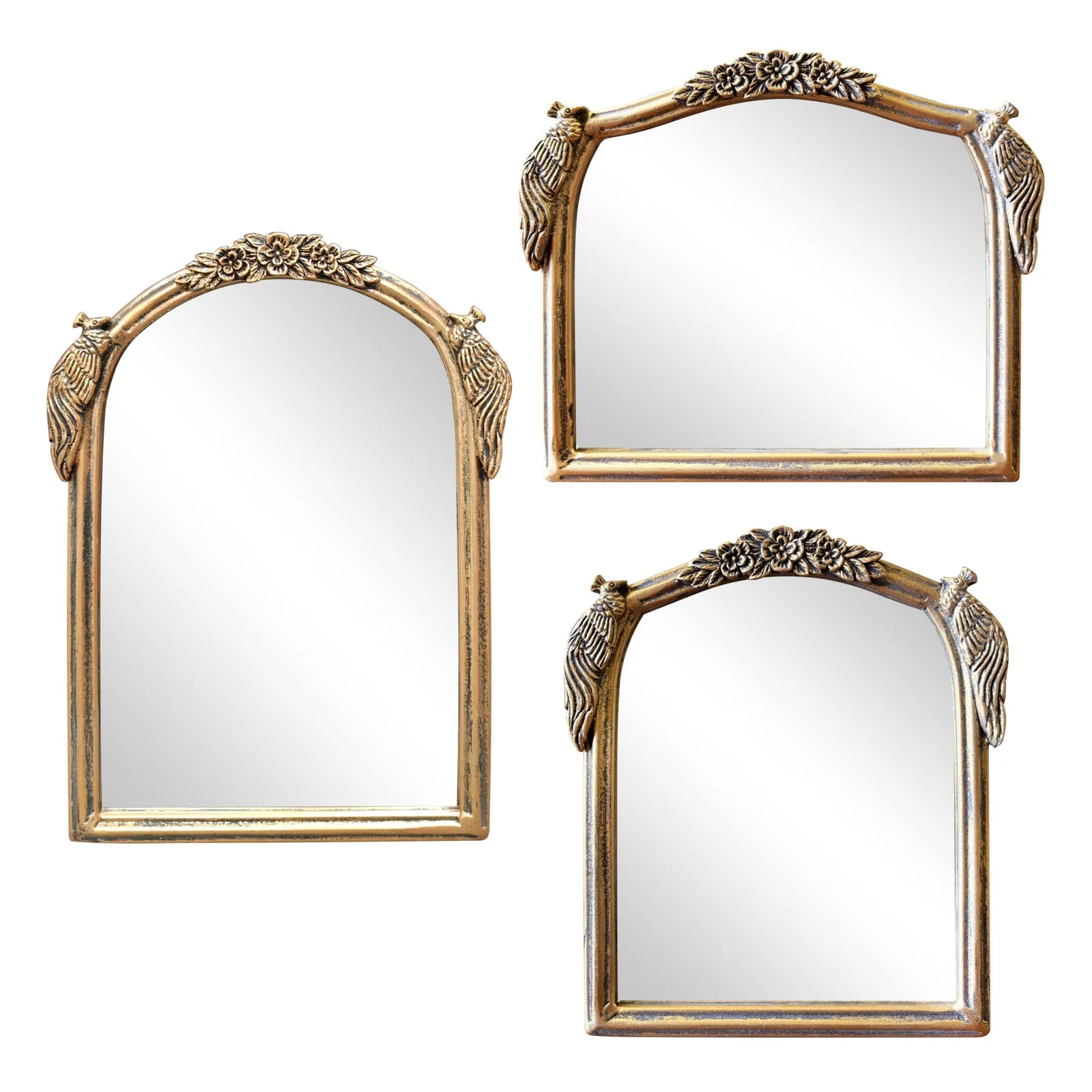
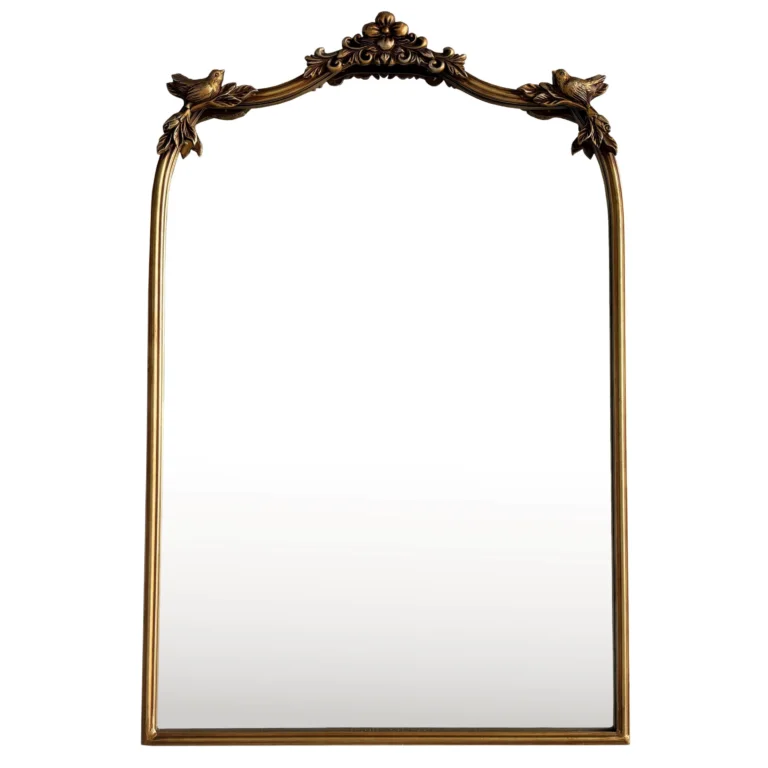
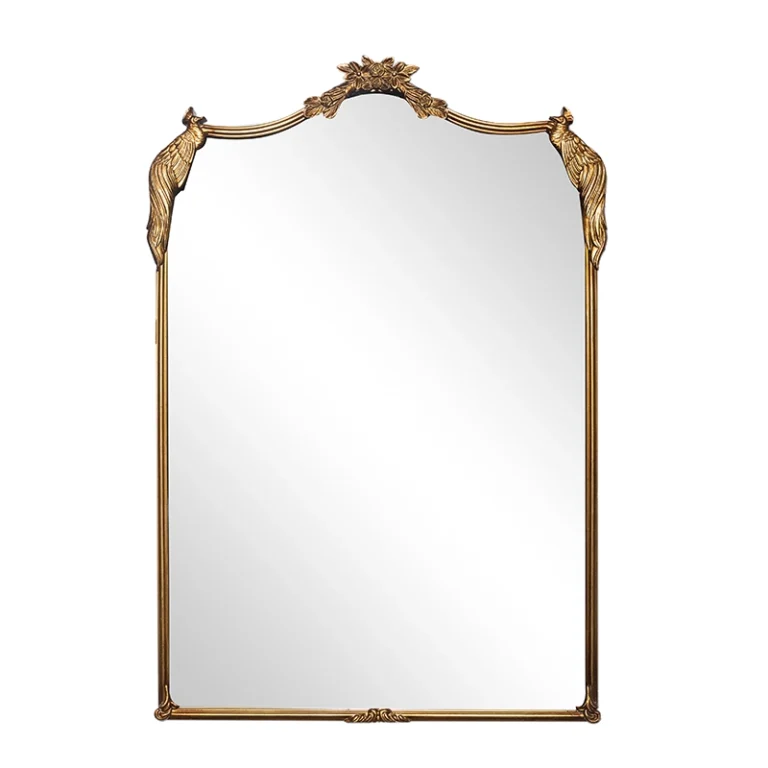
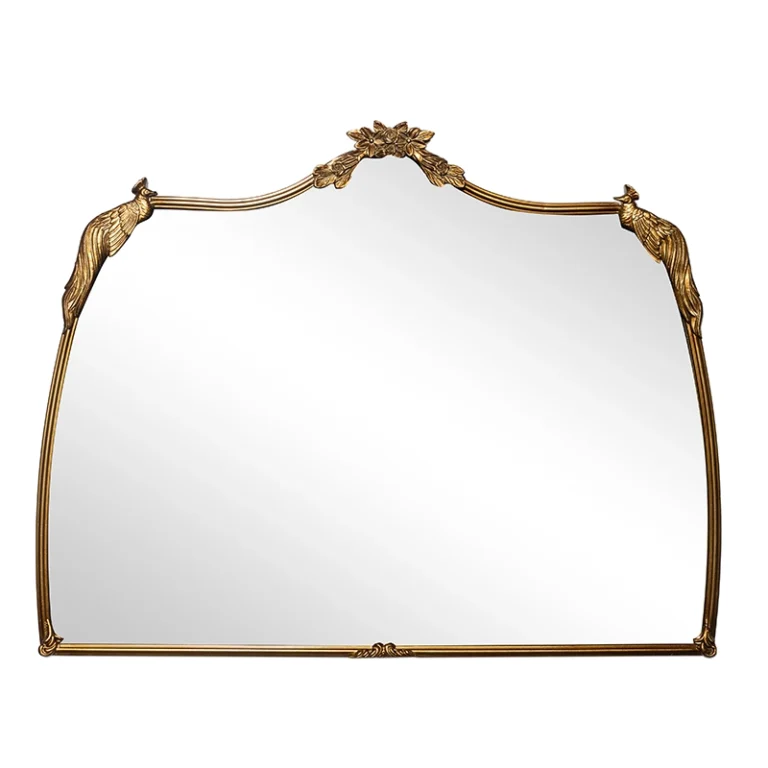
Traditional/Classic: Look for mirrors with ornate frames, often in gold, silver, or dark wood. Details like carvings, scalloped edges, or a sunburst design work well.
Rustic/Industrial: Choose mirrors with distressed wood frames, live edges, black iron piping, or frames made from reclaimed materials.
Bohemian/Eclectic: Consider vintage finds, Moroccan-style hammered metal mirrors, or those with colorful, tiled borders.
2. Strategic Placement & Hanging
Where and how you hang the mirror is crucial for maximum impact.
Opposite a Window: This is the golden rule. Placing a mirror directly across from a window maximizes natural light, bouncing it around the room and making the space feel brighter and larger.
Above the Sofa: A very popular and effective placement. The mirror acts as a “headboard” for your sofa, creating a focal point. Ensure it’s not wider than the sofa (ideally 2/3 to 3/4 of the sofa’s width) and hung low enough to feel connected (typically 6-10 inches above the back of the sofa).
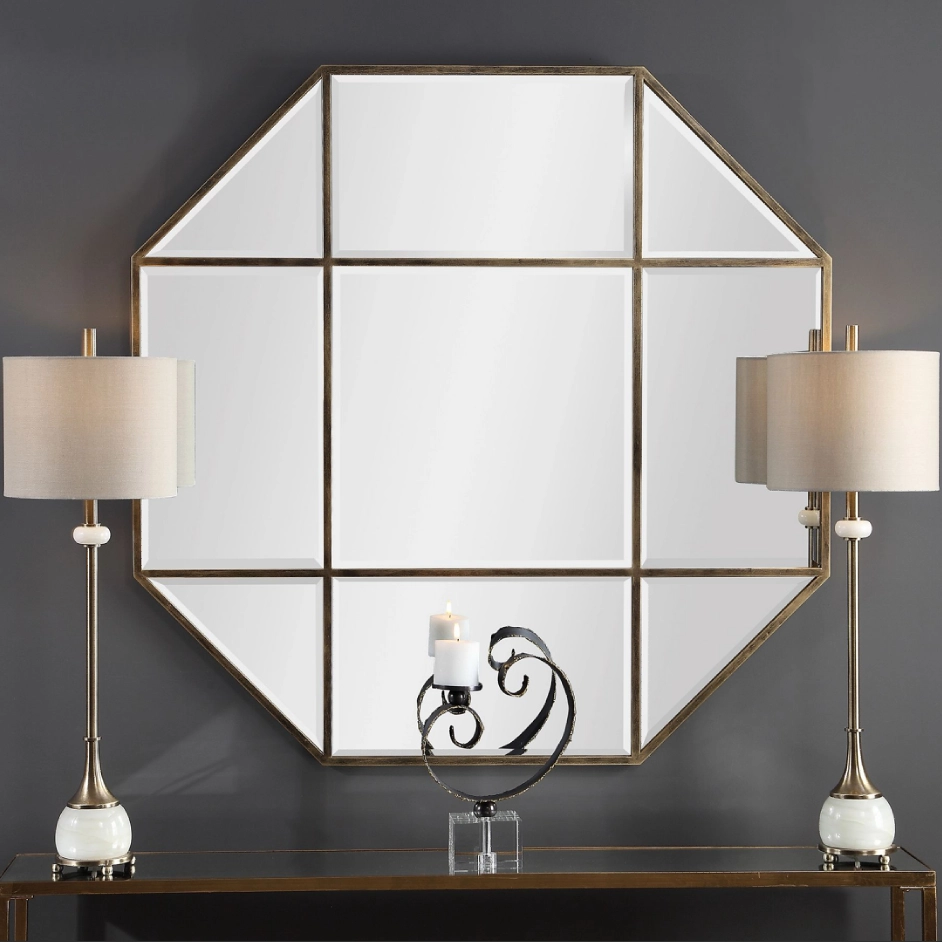
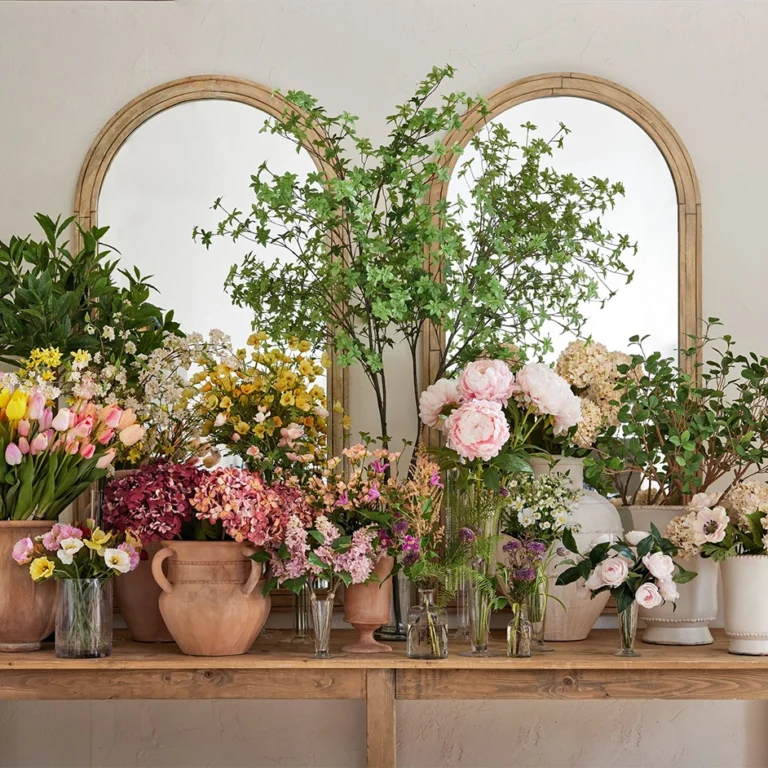
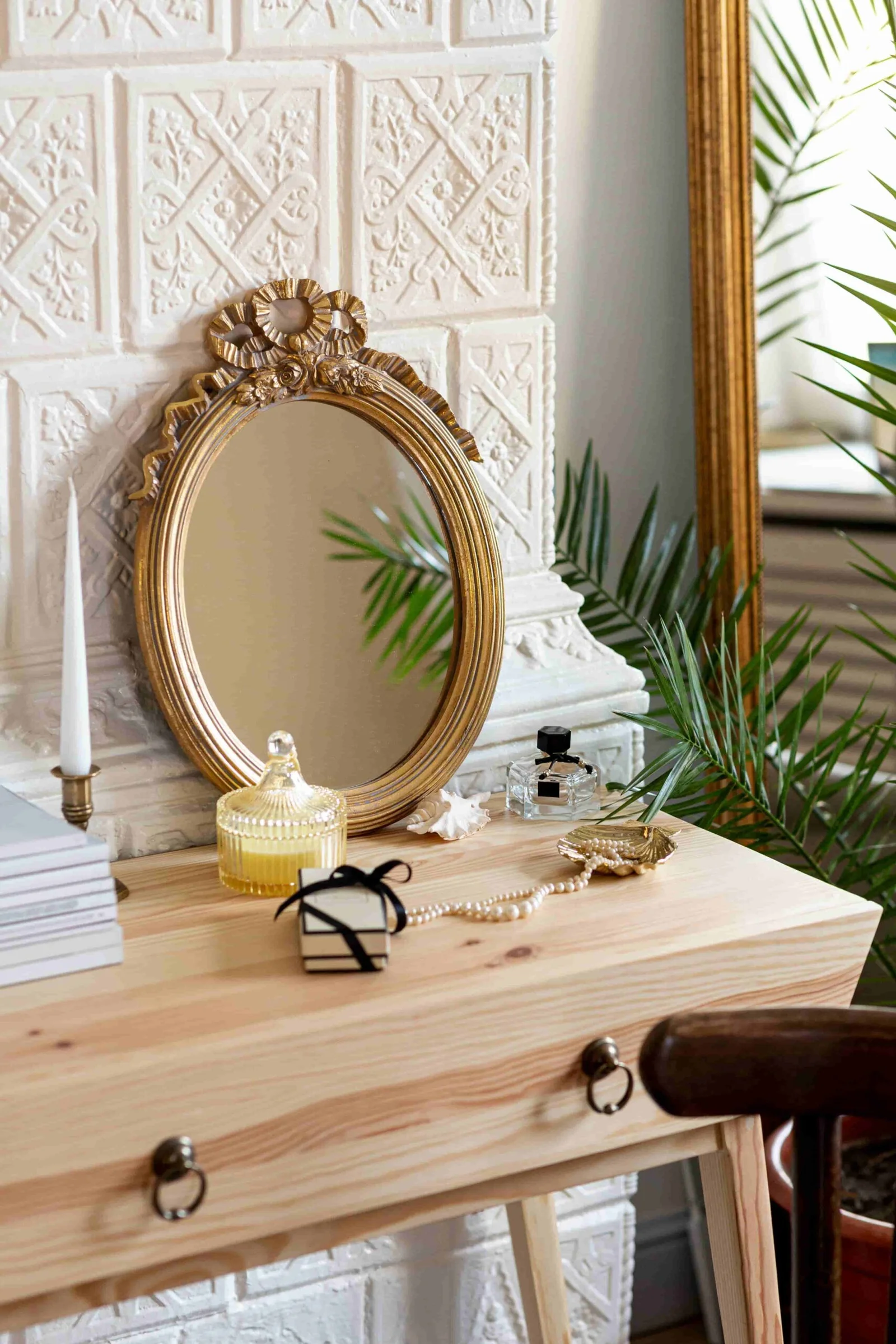
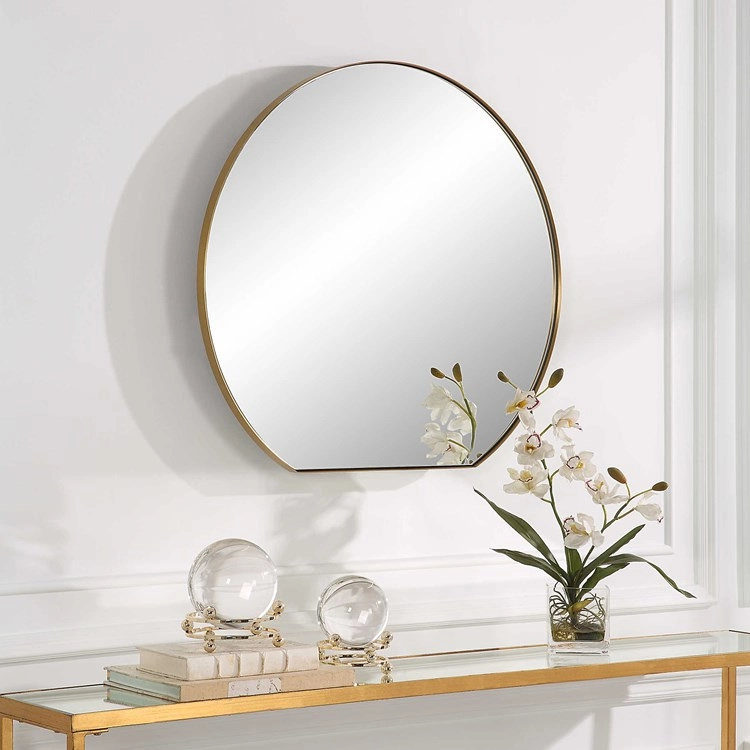
Above a Console Table or Fireplace: This creates a dedicated vignette. The table or mantelpiece provides a surface for layering decor in front of and below the mirror.
In a Dark Corner: Use a mirror to brighten a neglected corner. Pair it with a floor lamp or a tall plant to enhance the effect.
As Part of a Gallery Wall: Mix your mirror with artwork and photographs. This adds dimension and keeps the eye moving. The mirror’s reflective surface breaks up the solid visuals of the other pieces.
Pro Hanging Tip: The center of the mirror should be at approximately eye level (around 57-65 inches from the floor). Adjust this rule for placements above furniture, where the mirror should relate to the piece below it.
3. Styling Techniques & Ideas
This is where you bring it all together. Here are several effective ways to style your mirror:
A. The Layered Look (Above a Console Table)
This is the most dynamic approach. You create depth by placing objects in front of the mirror.
How to do it:
Place your console table against the wall.
Hang the mirror centered above it.
Style the tabletop with a mix of objects. The reflection will double the decor.
What to put on the table:
A Lamp: Essential for adding height and ambient light in the evening.
Stacked Books: Provides varying heights for smaller objects on top.
Vases or Greenery: A tall vase with fresh branches or a small potted plant adds life.
Sculptural Objects: A small statue, a decorative box, or a unique ceramic piece.
Tip: Work in odd numbers (groups of 1, 3, or 5) for a more natural, pleasing arrangement.
B. The Symmetrical Approach
For a formal, balanced, and calming look.
How to do it: Flank the mirror with two identical elements.
Ideas:
Two sconces (wall lights) on either side.
Two identical pieces of art, leaning or hung vertically.
Two tall, matching vases or candlesticks on a console table below.
C. The Leaning Mirror
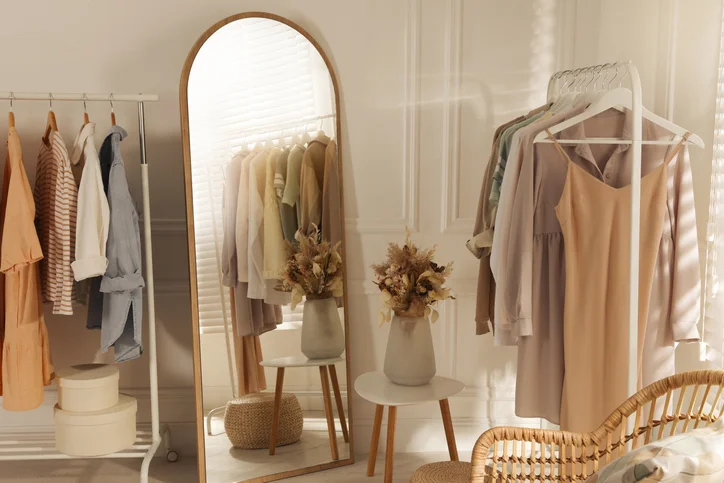
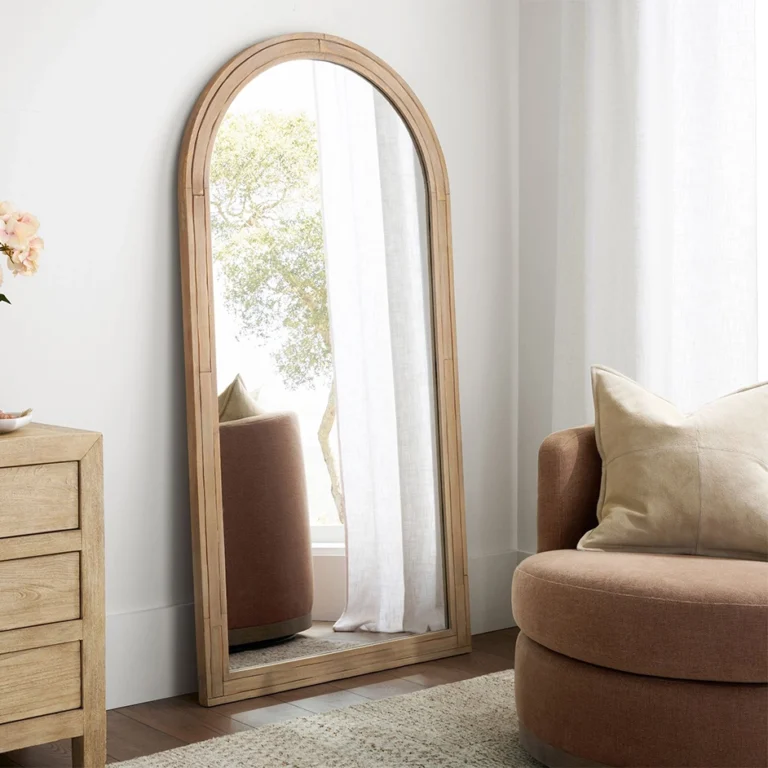
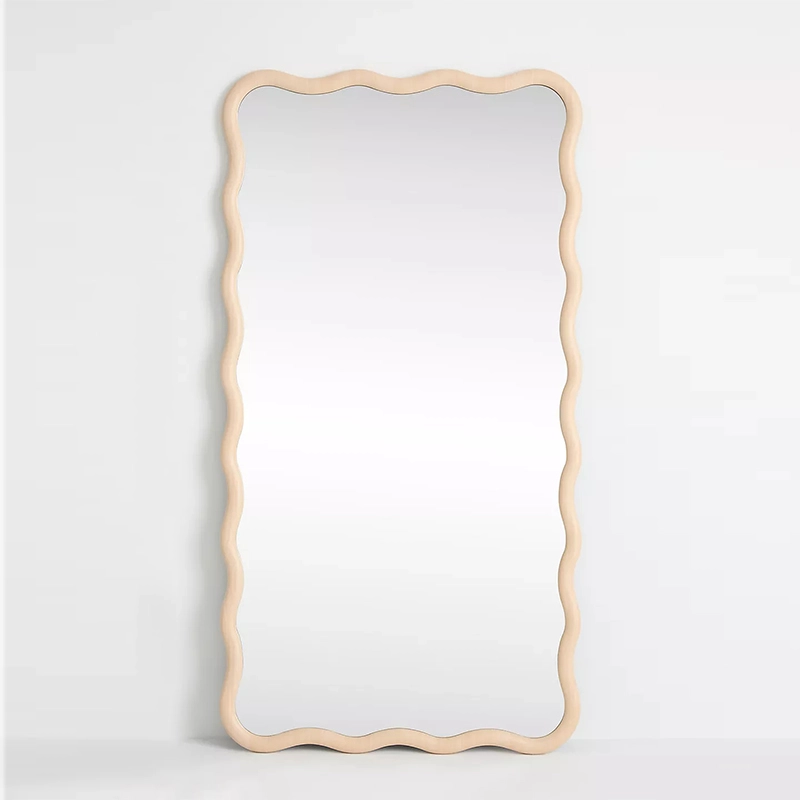
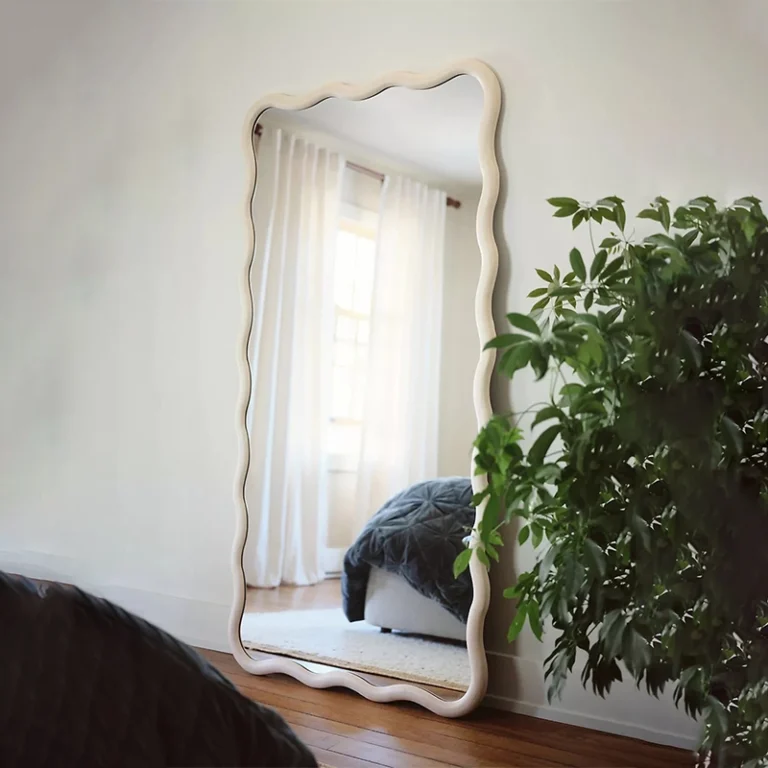
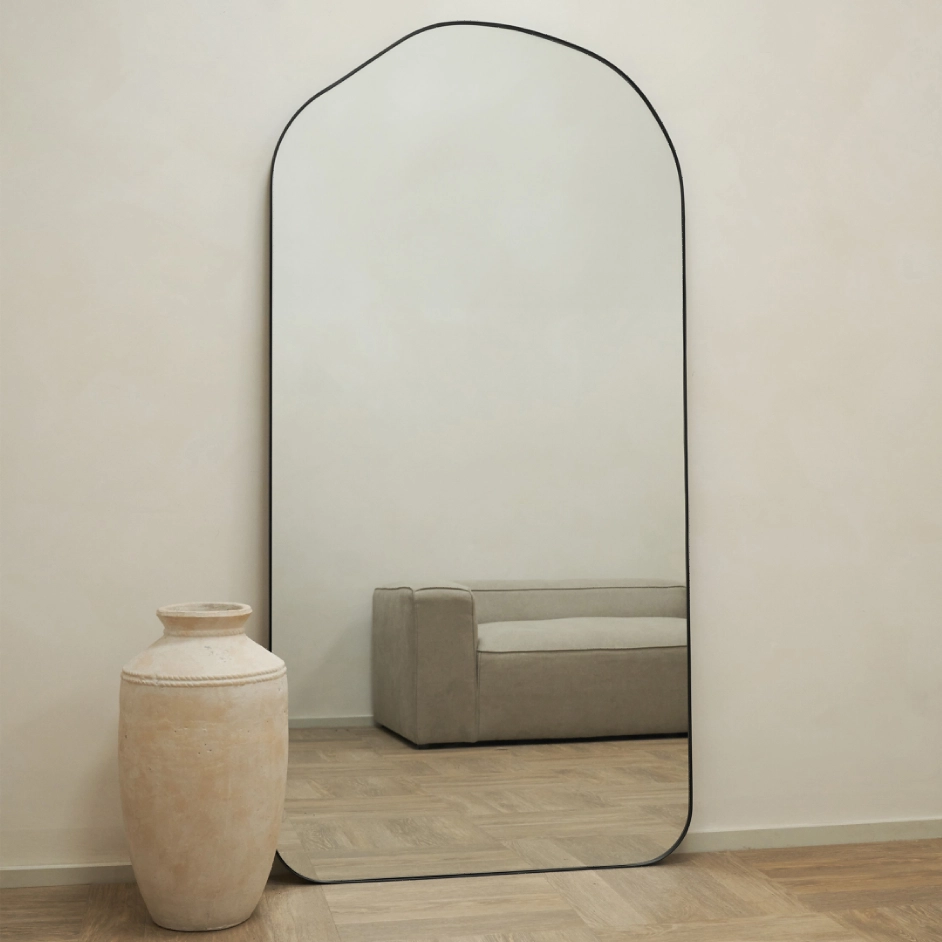
A more casual, relaxed alternative to hanging. It’s great for large floor mirrors or creating a flexible vignette.
How to do it: Simply lean the mirror against the wall.
Placement Ideas:
On the floor behind a sofa.
On a mantelpiece, leaning against the wall.
On a low console table.
Style it: Place a large plant (like a fiddle leaf fig) next to it, or layer a smaller piece of art in front of it on the floor.
D. The Statement Mirror
Let the mirror itself be the artwork. This works best with a large, incredibly unique, or ornate mirror.
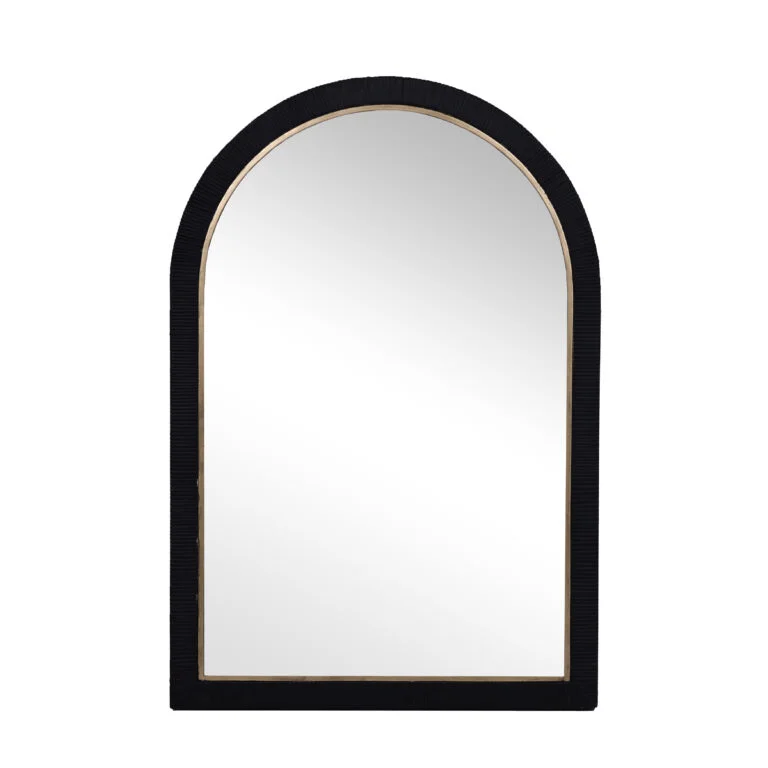
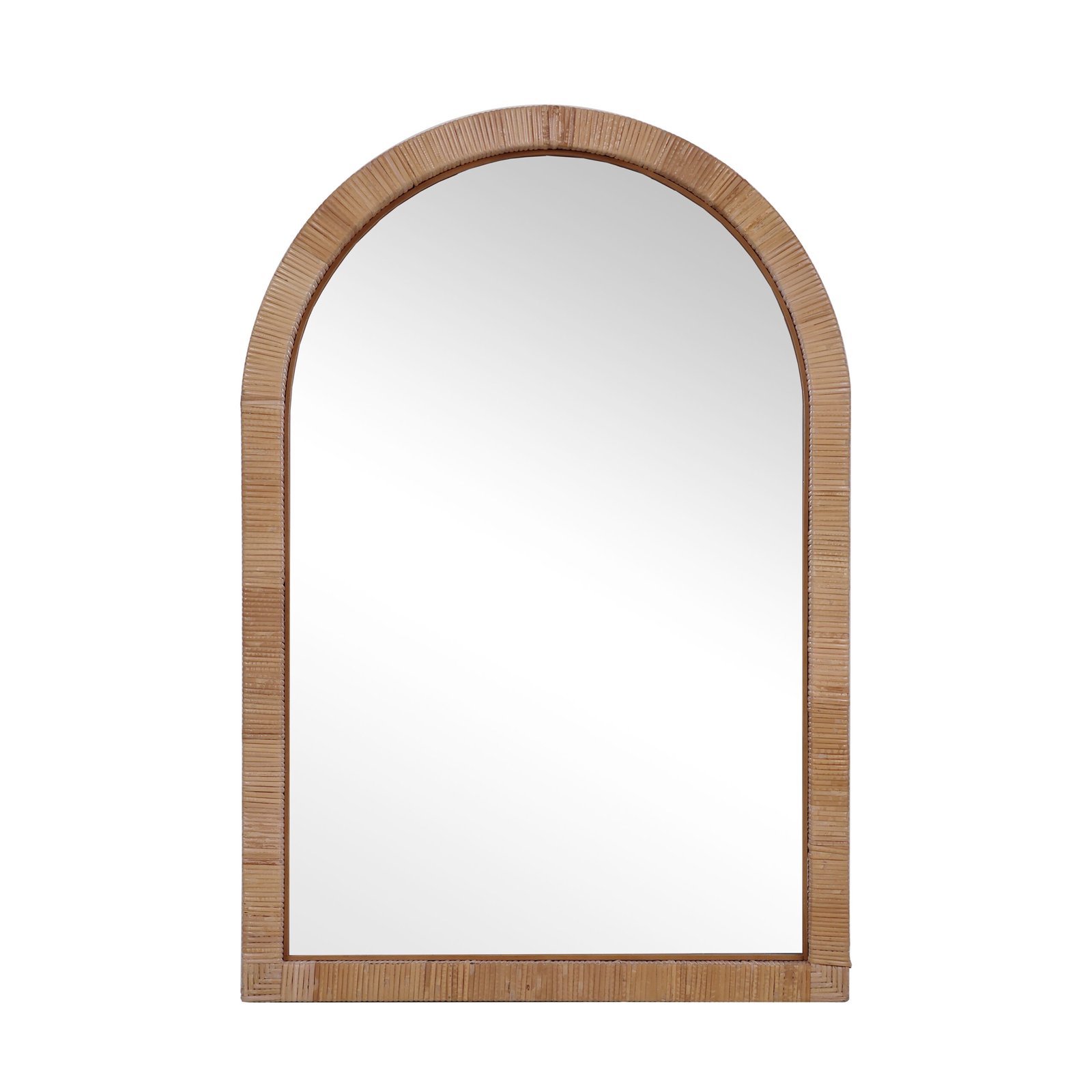
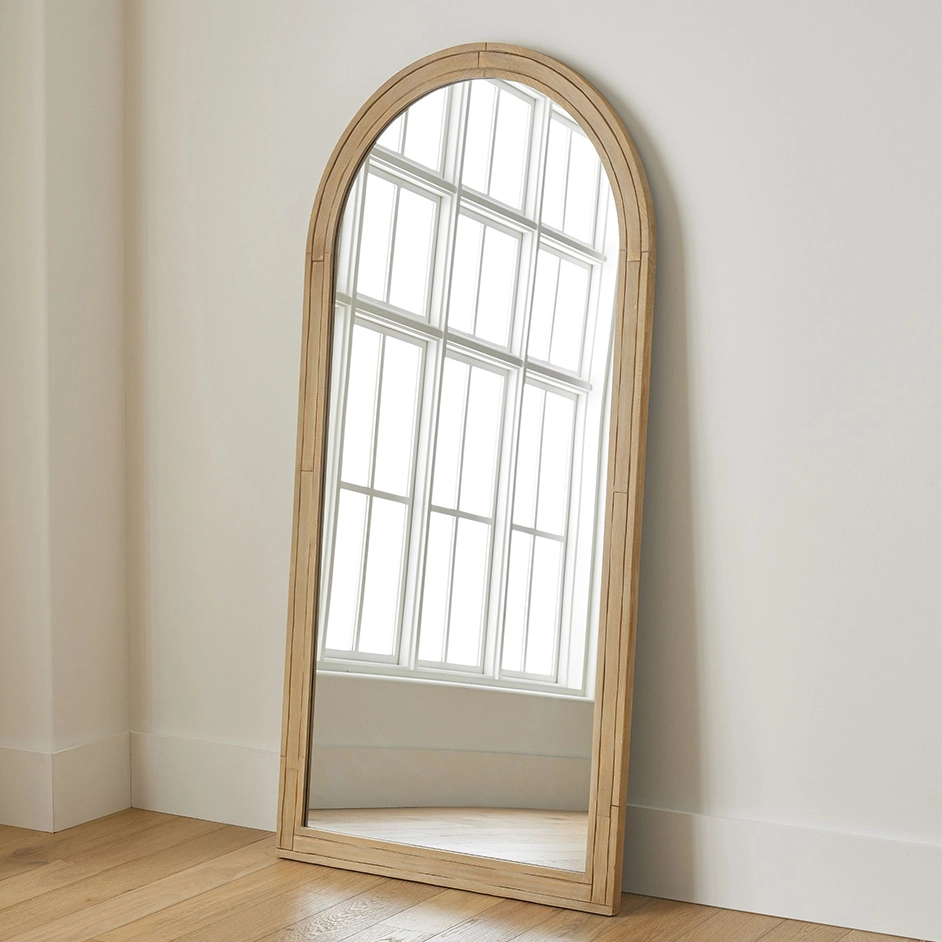
How to do it: Hang it on a large, empty wall with plenty of space around it. Keep the surrounding decor minimal so the mirror remains the star. A stunning sunburst mirror or an oversized arched mirror are perfect for this.
E. Creating a Focal Point with Multiple Mirrors
Group several mirrors together to create a striking display.
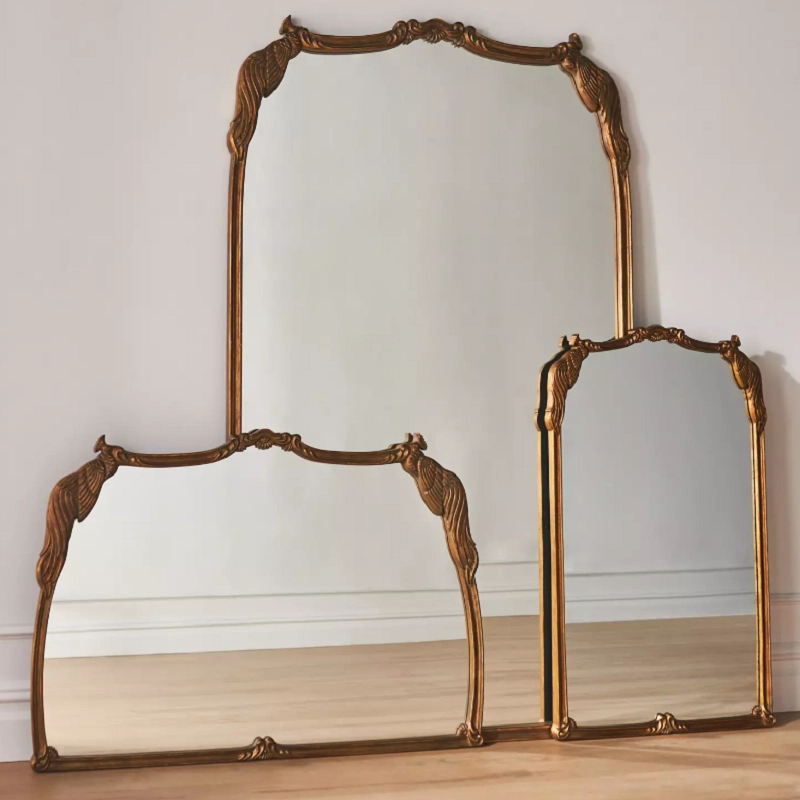
How to do it: Cluster mirrors of different shapes and sizes but with a common theme (e.g., all gold frames, all circular, all vintage). This creates a captivating, eclectic focal point full of light and movement.
Key Considerations & Pro Tips
Reflect What You Love: Remember, a mirror will double whatever is in front of it. Position it to reflect a beautiful view, an attractive piece of art, or a well-styled corner—not a cluttered hallway or a blank TV screen.
Scale Matters: A tiny mirror on a huge wall will look lost, and a huge mirror in a tiny nook will feel overwhelming. Choose a size that balances the wall and the furniture around it.
Lighting is Key: Incorporate lighting near your mirror. A lamp on a console table, sconces on the wall, or even a spotlit piece of art reflected in the mirror will make the entire setup glow in the evening.
Don’t Forget Function: While aesthetics are primary, remember a mirror’s functional use. Place it where you can quickly check your appearance on the way out the door.
By following these steps, you can transform a simple wall mirror from a functional object into the centerpiece of your living room decor.
Generally speaking, our order requirements are as follows: the minimum order quantity (MOQ) for large items is 50 pieces, for regular items it is 100 pieces, for small items it is 500 pieces, and for very small items (such as ceramic decorations) the MOQ is 1,000 pieces. Orders exceeding $100,000 will receive a 5% discount. The delivery timeline is determined based on the specific order quantity and production schedule. Typically, we are able to complete delivery within two months.







-scaled.jpg)






Leave a Reply