Location:
ChenDianHu Industrial Area, GanZhe Town, Minhou County,
Fuzhou City, Fujian Province, China
teruiermirror
sculptural mirror as a focal point in interior design
25-08-26 91 view
Of course. The sculptural mirror is a powerhouse in interior design, moving far beyond its functional role into the realm of art. It’s not just a tool for reflection; it’s a statement piece that can define a space. Here’s a comprehensive guide to using a sculptural mirror as a focal point in interior design. Why a Sculptural Mirror Works So Well Dual Functionality: It combines art with utility. It’s a captivating object that also expands space, reflects light, and offers a practical purpose. Illusion of Space: It instantly makes any room feel larger, brighter, and more open by reflecting light and the view from another part of the room. Light Amplifier: It is the most effective tool for bouncing both natural and artificial light around a room, eliminating dark corners and creating a vibrant atmosphere. Architectural Interest: In a room with plain walls or simple architecture, a sculptural mirror adds a layer of texture, shape, and dimension that walls alone cannot provide. Versatility: It can be the centerpiece in virtually any room: entryway, living room, bedroom, dining room, or even a bathroom. How to Choose the Right Sculptural Mirror Selecting the mirror is crucial. It must converse with the space around it. Consideration Description & Examples Shape & Silhouette This is its primary sculptural quality. Go beyond the standard rectangle or circle. Think organic (sunburst, amoeba,波浪形 (bōlàng xíng - wavy)), geometric (triangular, asymmetric, multi-panel), or figurative (art deco fan, animal shapes). Frame & Material The frame is the sculpture. Consider heavy, textural materials like carved wood, twisted rope, hammered metal, or polished brass. Alternatively, a frameless mirror with an unusual carved or beveled edge can be just as impactful. Scale & Proportion It must command attention without overwhelming the wall. Over a console table, it should be roughly 2/3 the table's width. In a large living room, don't be afraid to let it occupy a significant portion of the wall. Style Alignment The mirror should harmonize with your overall design theme: • Modern: Sleek metals, clean circles, sharp angles. • Bohemian: Rattan, cane, sunbursts, irregular shapes. • Traditional: Ornate gold or silver leaf, classical motifs. • Minimalist: A simple but perfectly irregular organic shape or a large, frameless circle. Strategic Placement for Maximum Impact Where you place the mirror is as important as the mirror itself. The Entryway (The Grand Introduction): Why: Creates a wow moment upon entering. It makes a small space feel open and provides a last check before heading out. How: Place it above a console table, paired with a lamp or vase. Ensure it reflects something beautiful, like a pendant light or a piece of art across the hall. Above the Mantel (The Classic Stage): Why: The fireplace is a natural focal point. A sculptural mirror above it doubles the visual weight and drama of the area. How: Choose a shape that contrasts with the…
sculptural mirror as a focal point in interior design
sculptural mirror as a focal point in interior design
Of course. The sculptural mirror is a powerhouse in interior design, moving far beyond its functional role into the realm of art. It’s not just a tool for reflection; it’s a statement piece that can define a space.
Here’s a comprehensive guide to using a sculptural mirror as a focal point in interior design.
Why a Sculptural Mirror Works So Well
Dual Functionality: It combines art with utility. It’s a captivating object that also expands space, reflects light, and offers a practical purpose.
Illusion of Space: It instantly makes any room feel larger, brighter, and more open by reflecting light and the view from another part of the room.
Light Amplifier: It is the most effective tool for bouncing both natural and artificial light around a room, eliminating dark corners and creating a vibrant atmosphere.
Architectural Interest: In a room with plain walls or simple architecture, a sculptural mirror adds a layer of texture, shape, and dimension that walls alone cannot provide.
Versatility: It can be the centerpiece in virtually any room: entryway, living room, bedroom, dining room, or even a bathroom.
How to Choose the Right Sculptural Mirror
Selecting the mirror is crucial. It must converse with the space around it.
Consideration
Description & Examples
Shape & Silhouette
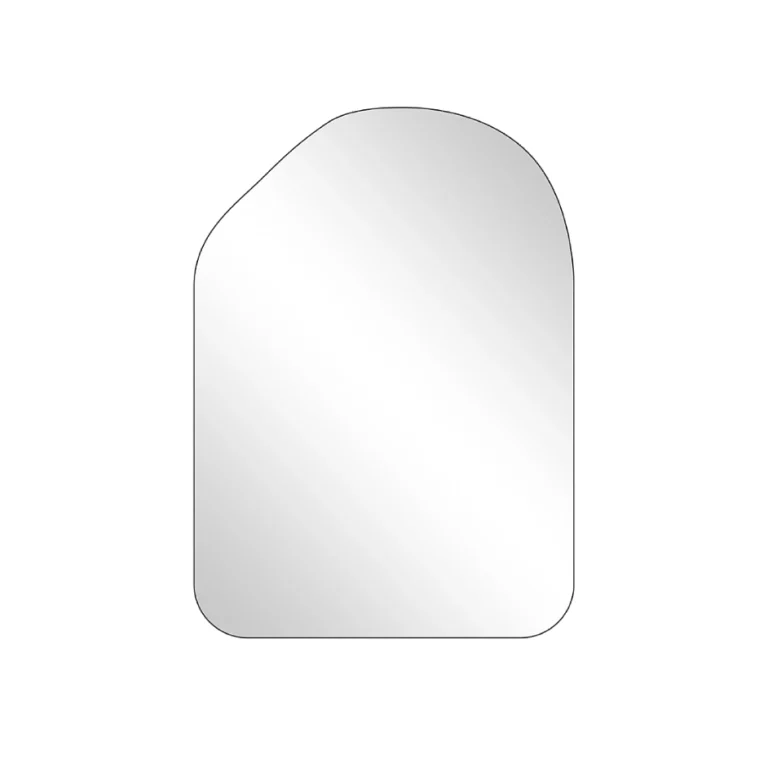
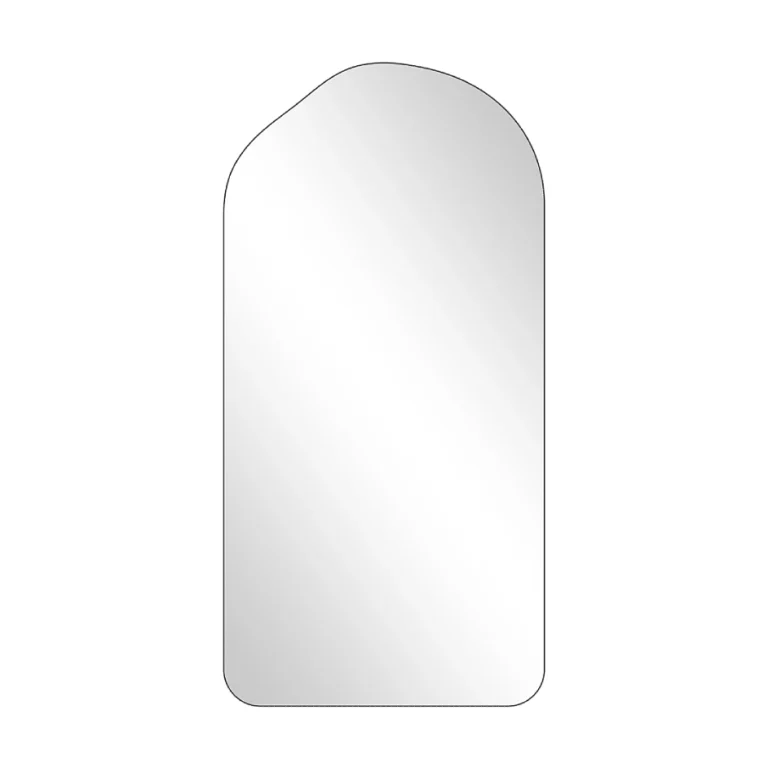
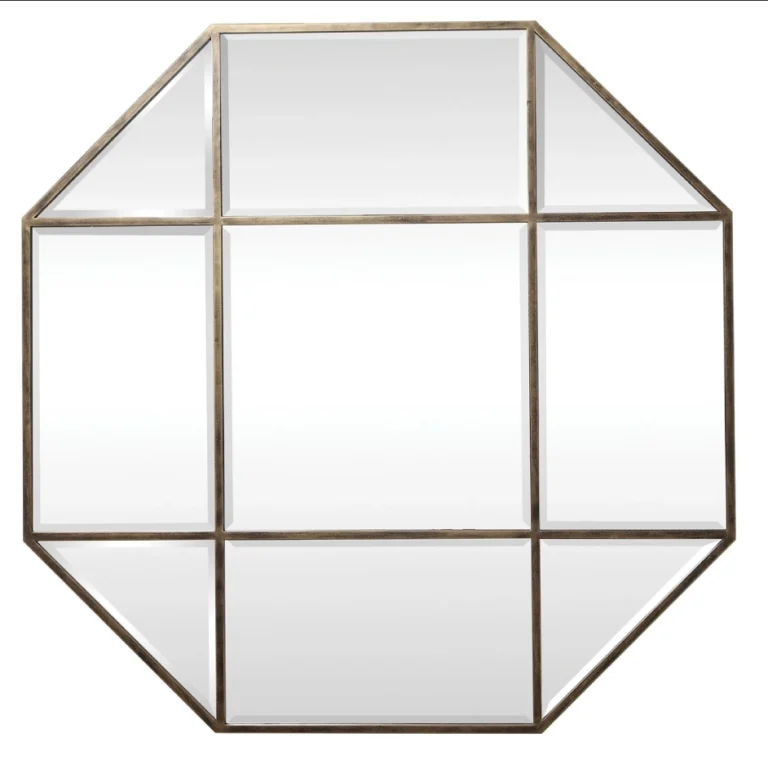
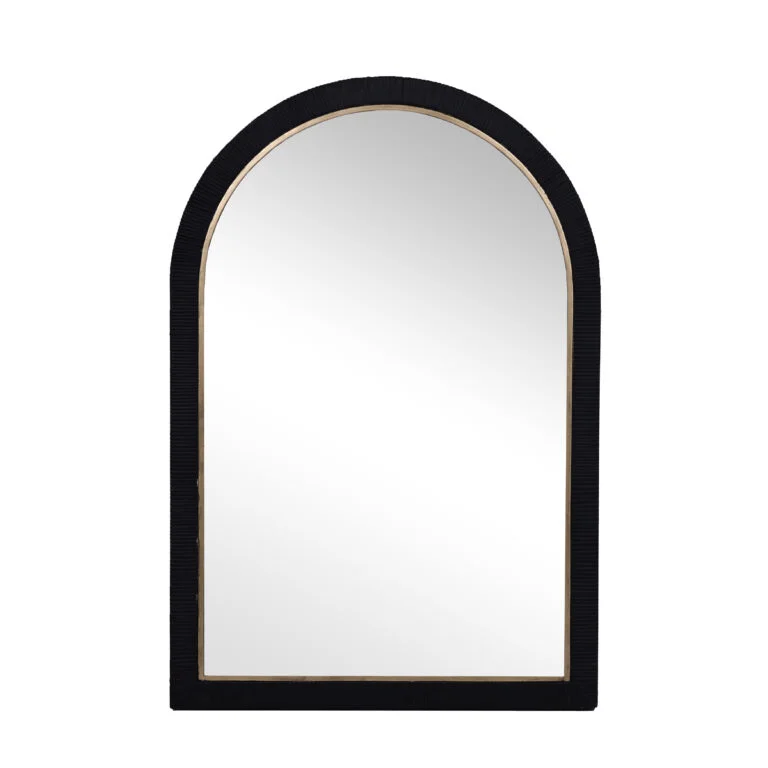
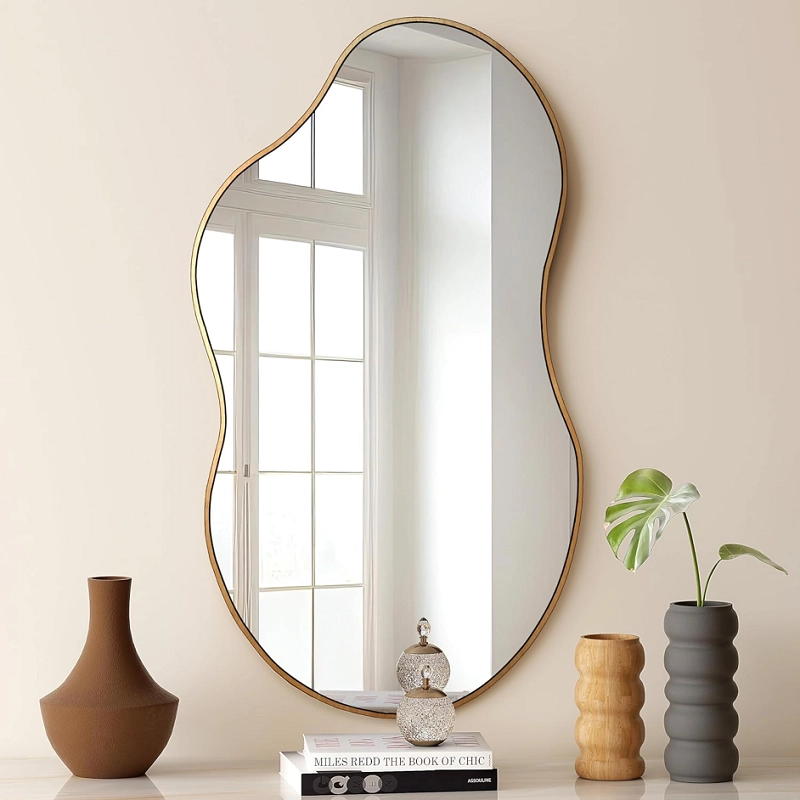
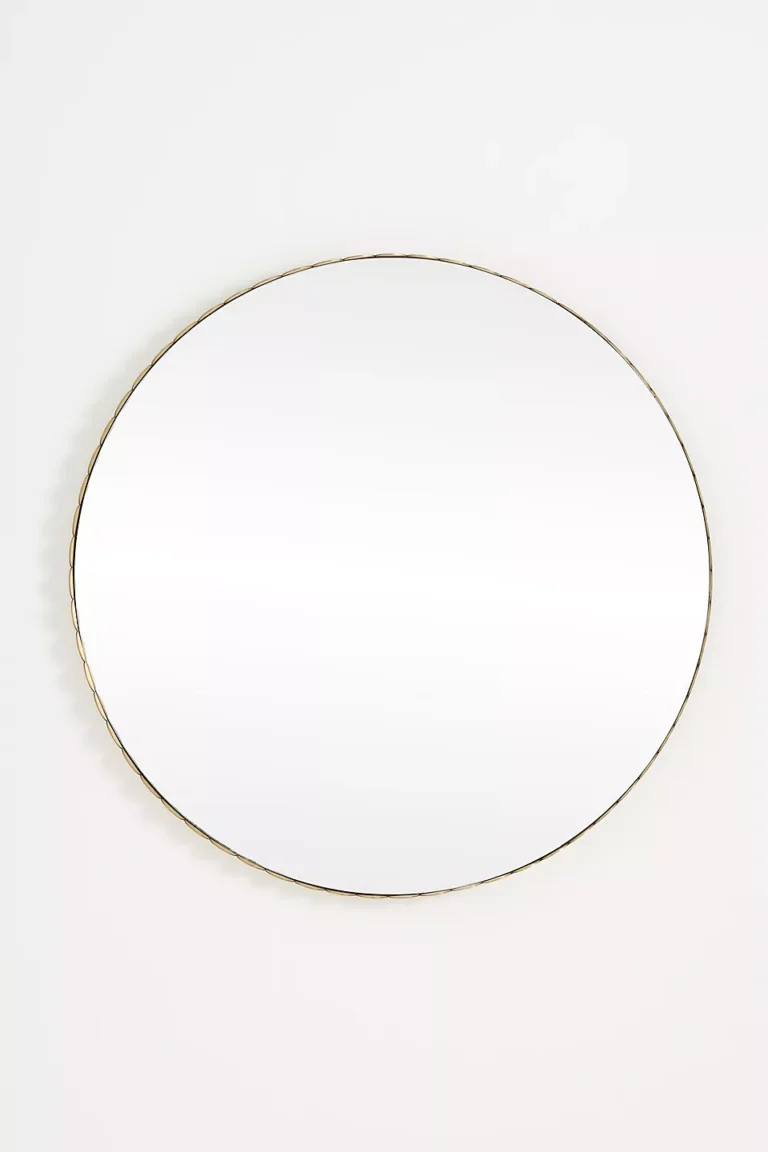
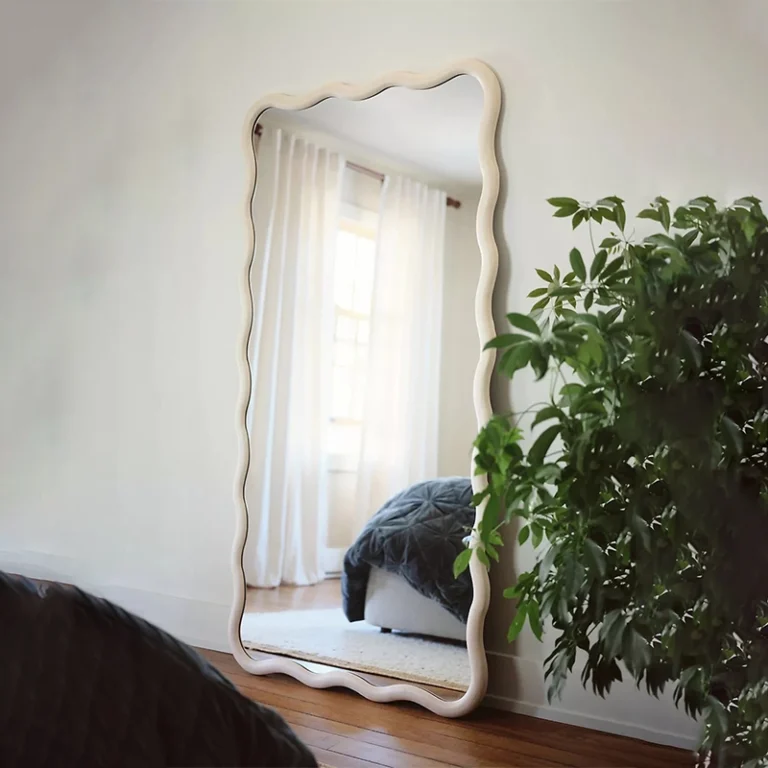
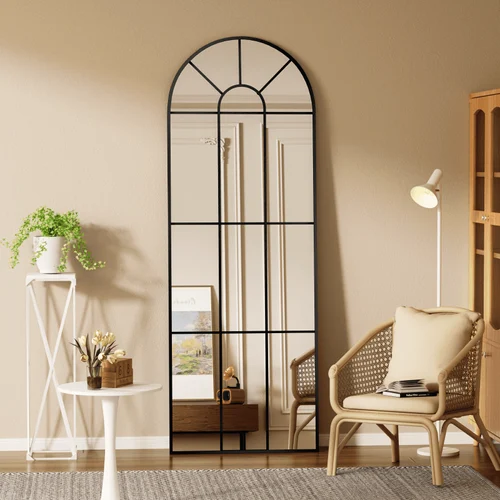
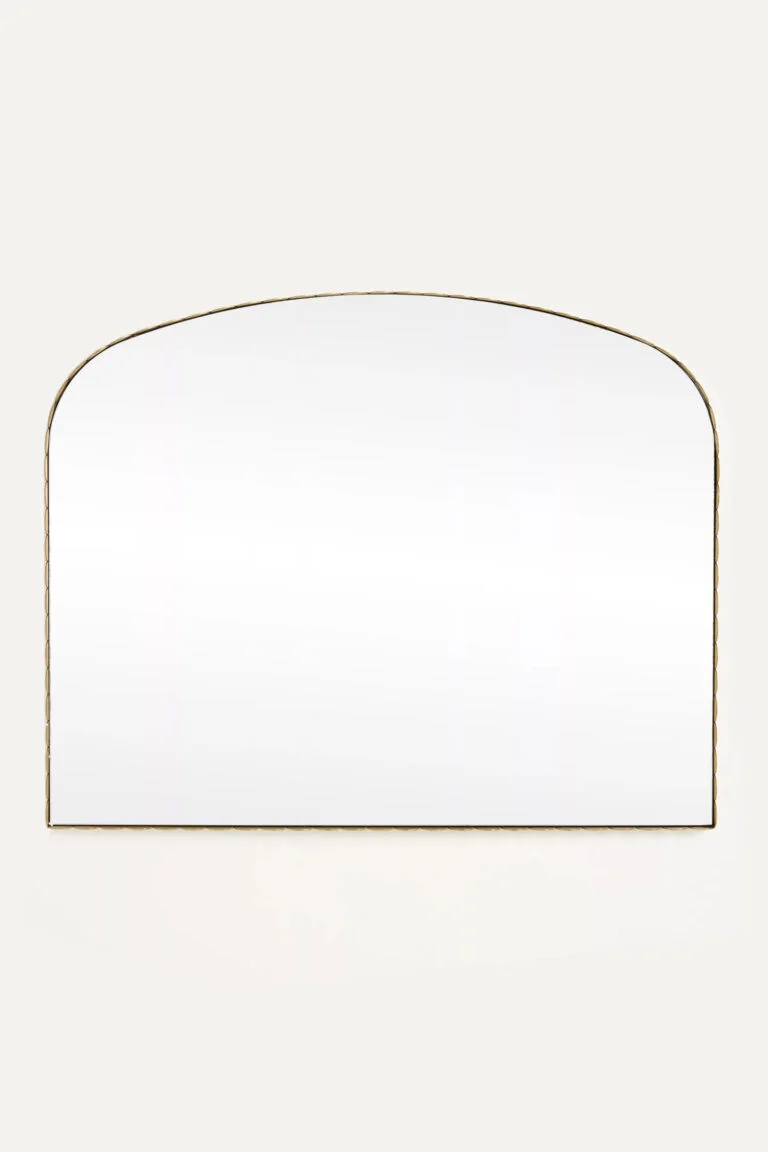
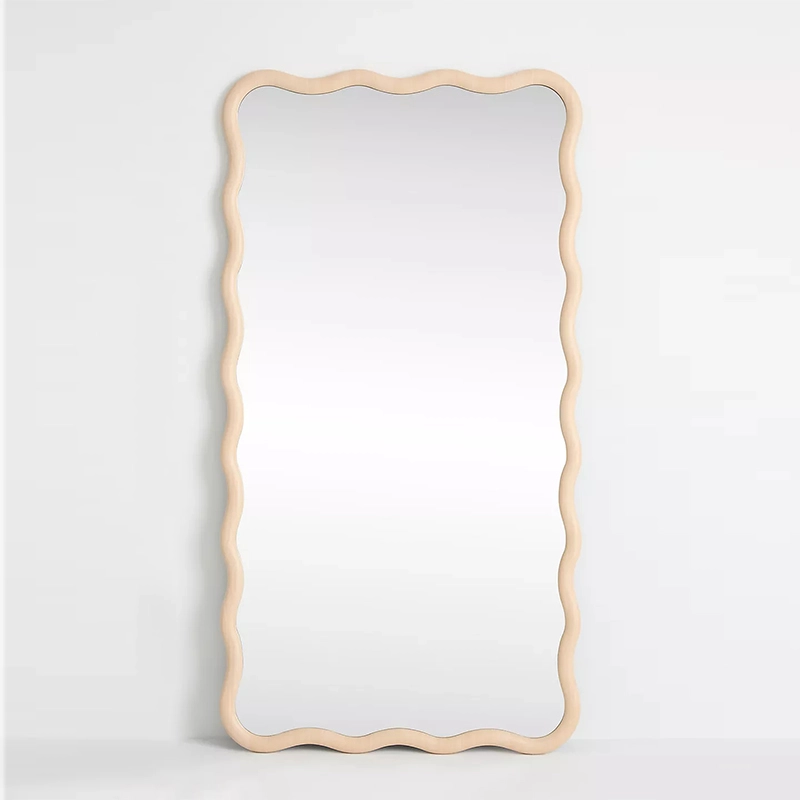
This is its primary sculptural quality. Go beyond the standard rectangle or circle. Think organic (sunburst, amoeba,波浪形 (bōlàng xíng – wavy)), geometric (triangular, asymmetric, multi-panel), or figurative (art deco fan, animal shapes).
Frame & Material
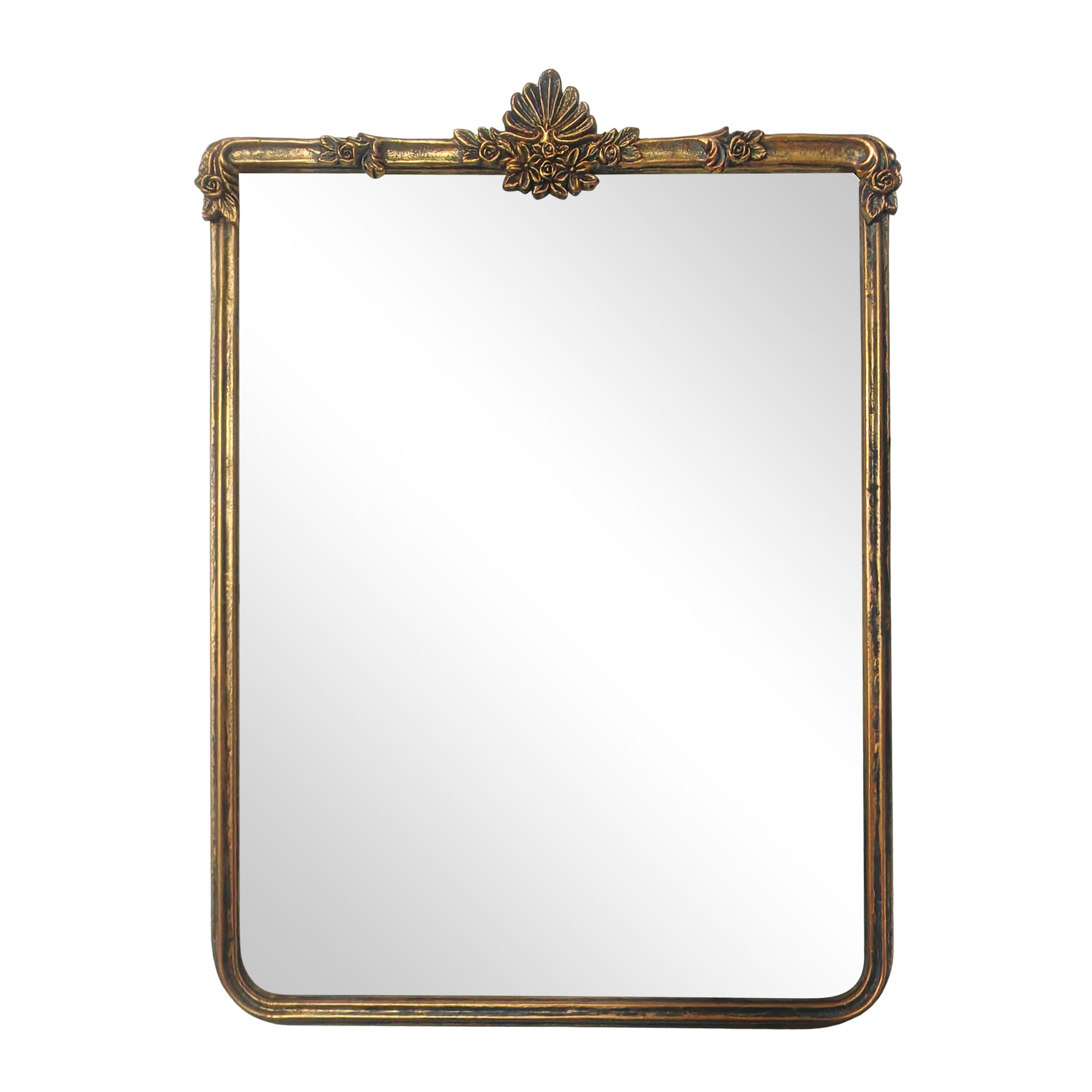
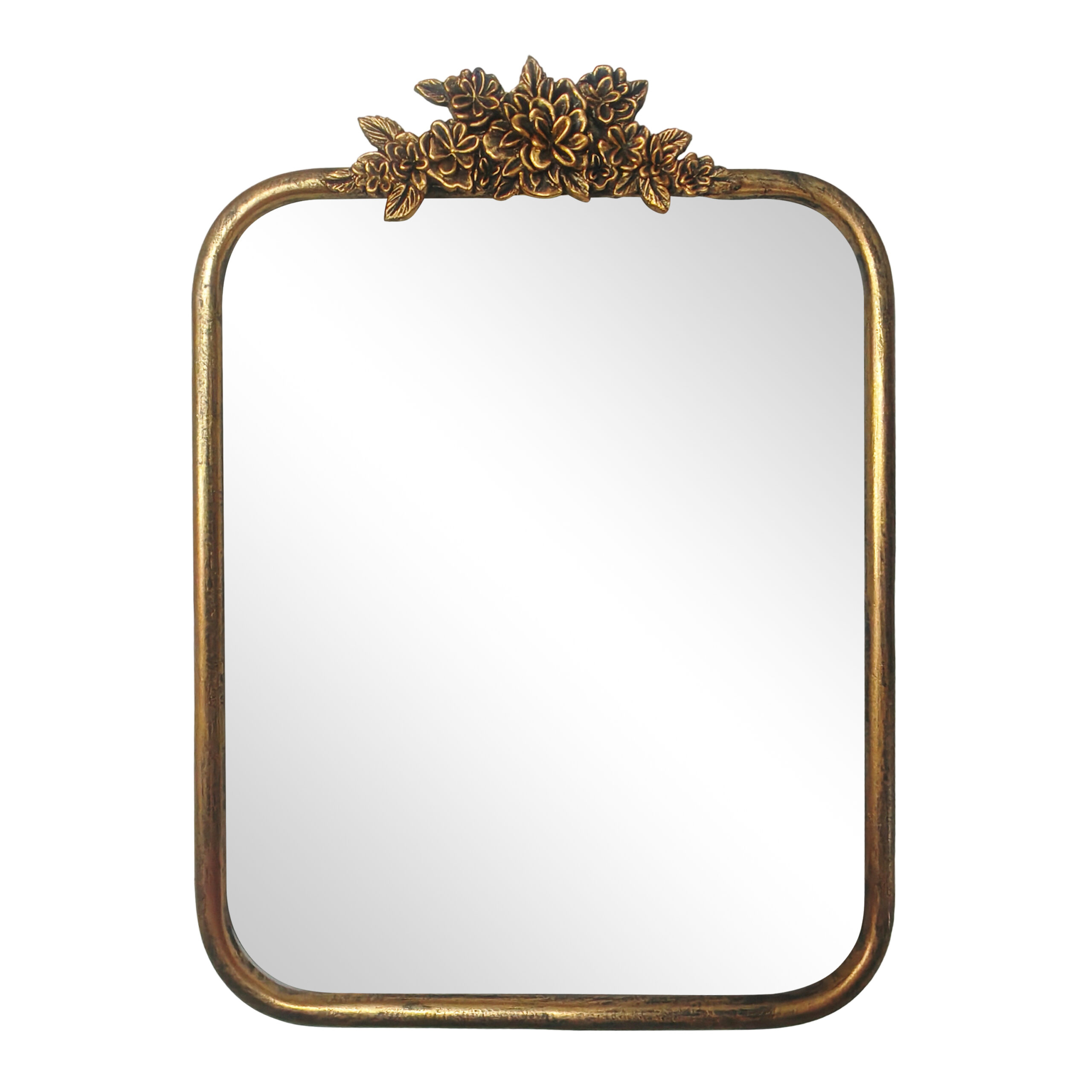
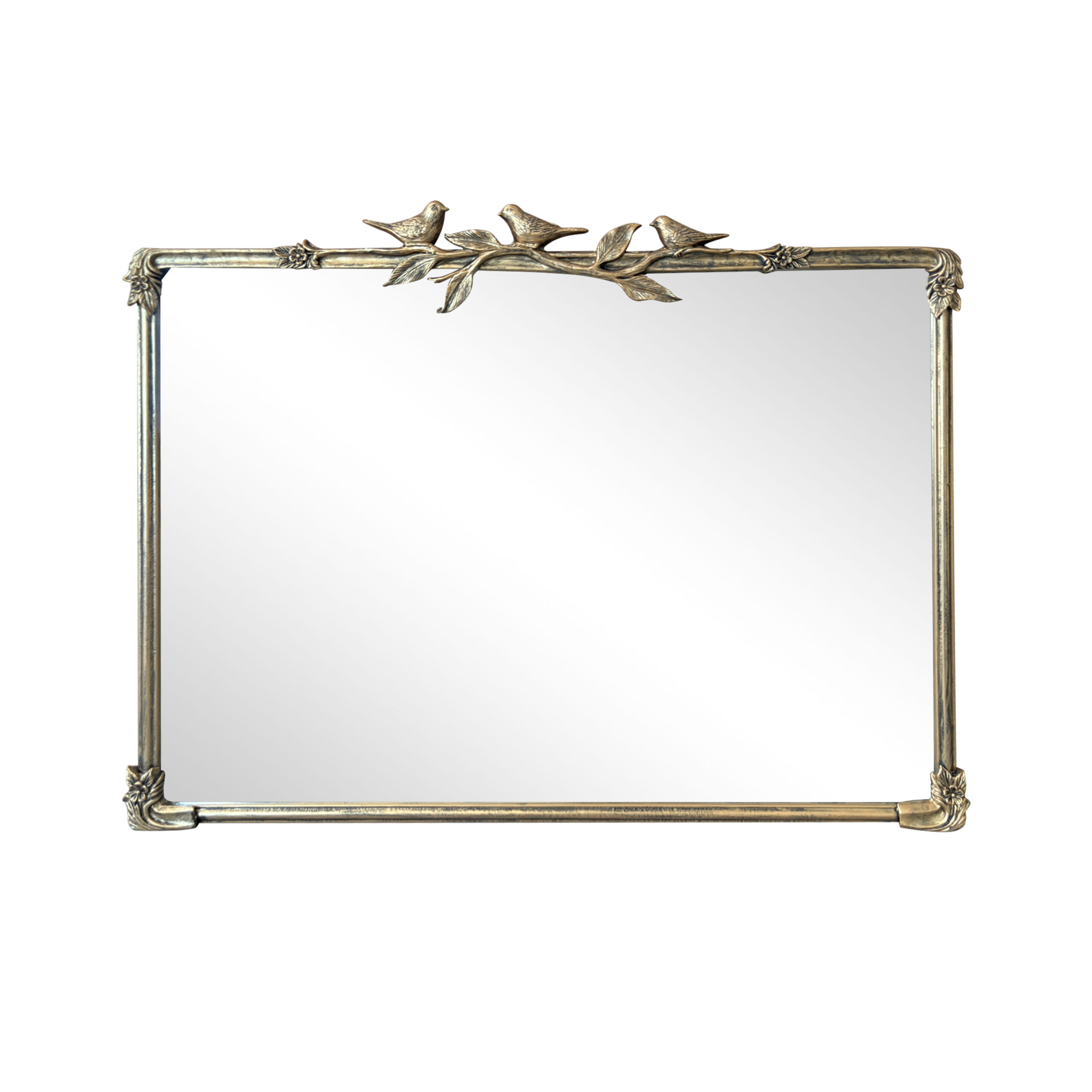
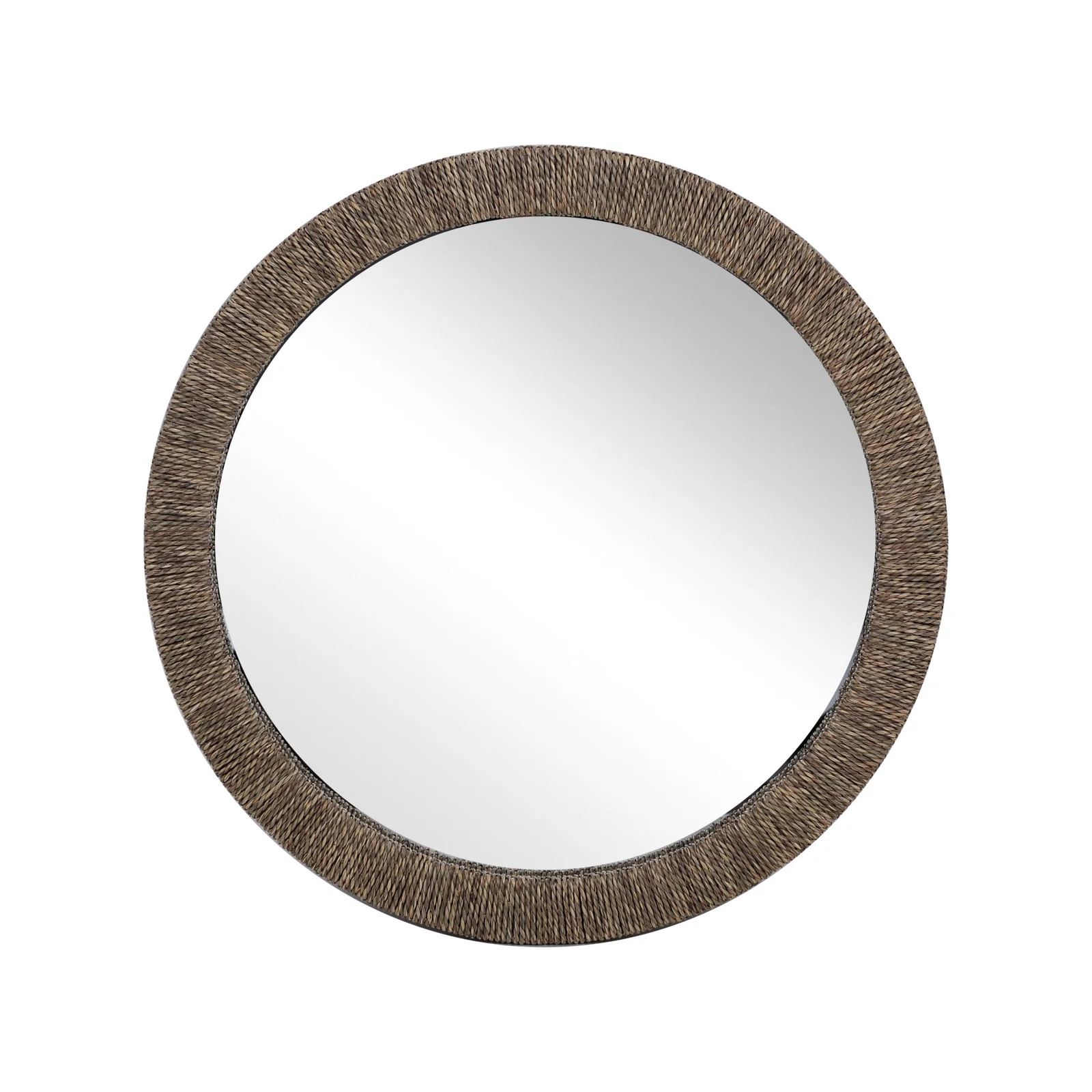
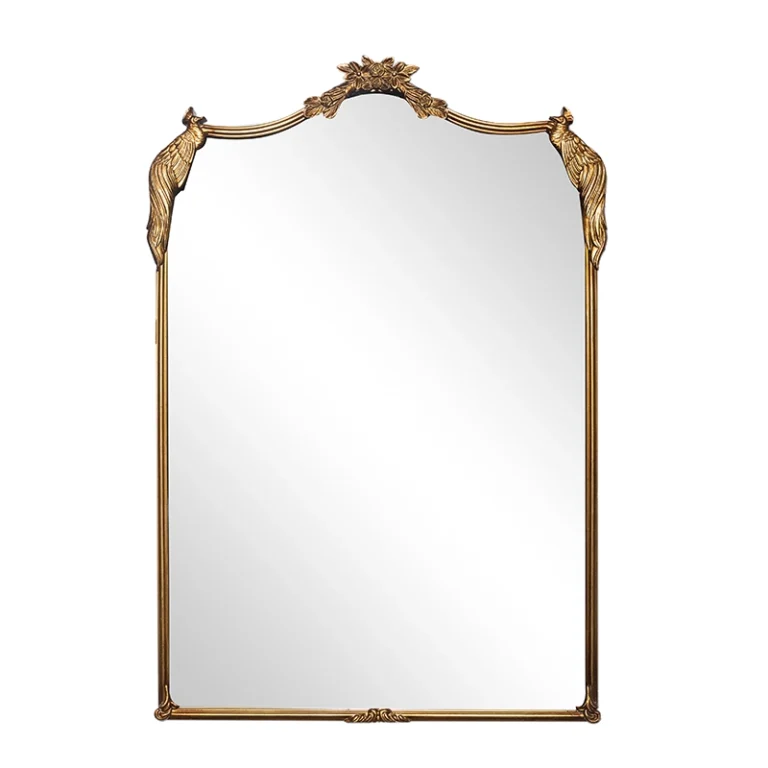
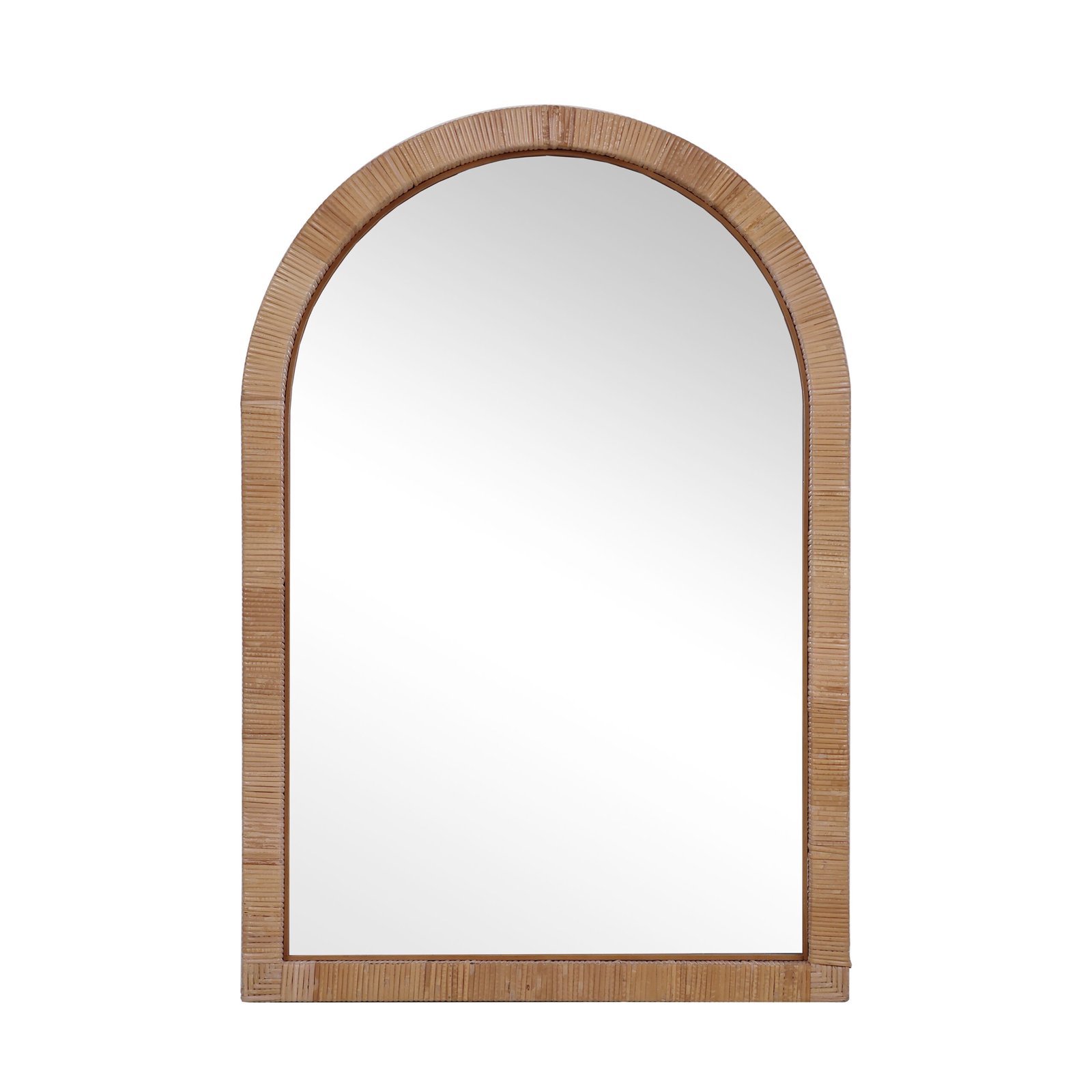
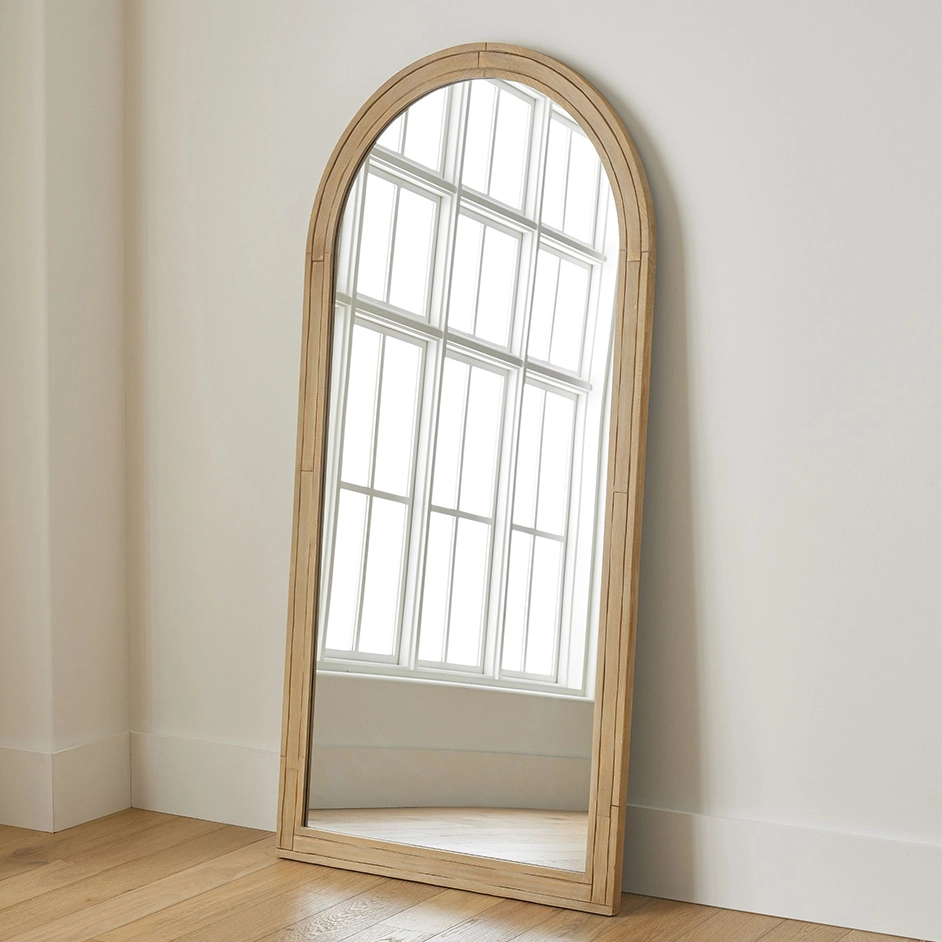
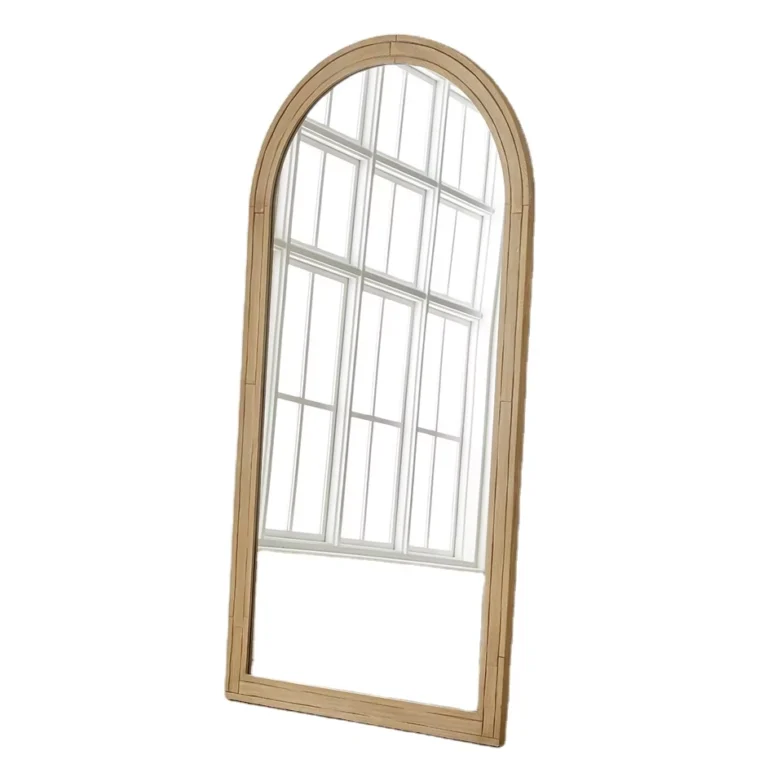
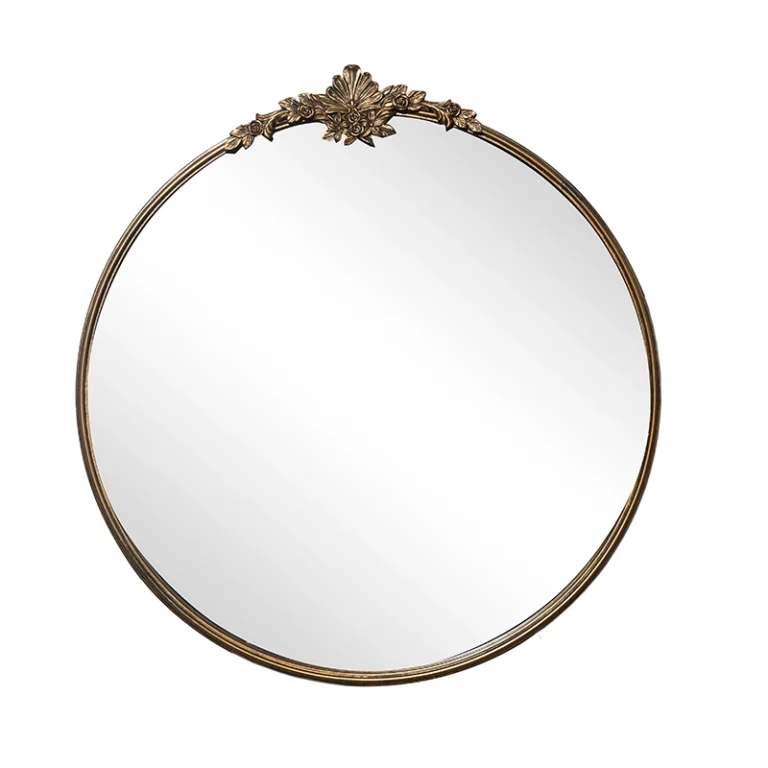
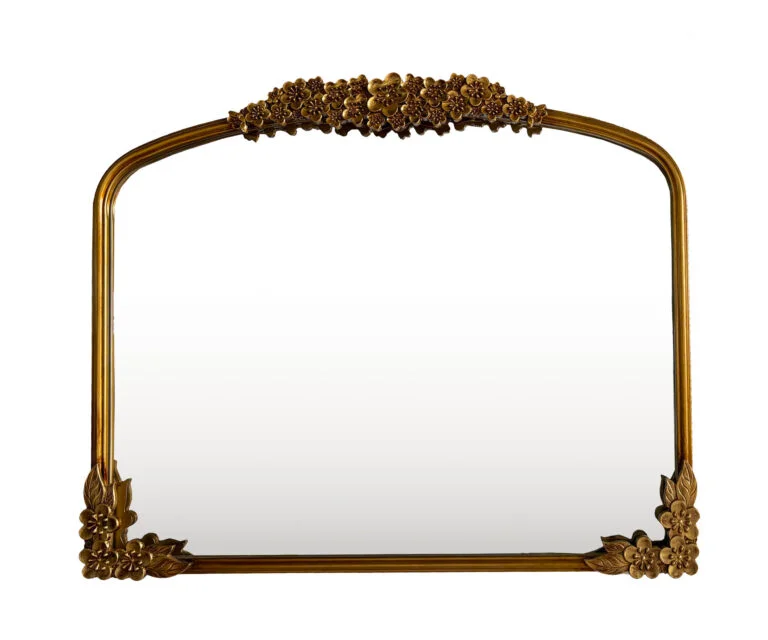
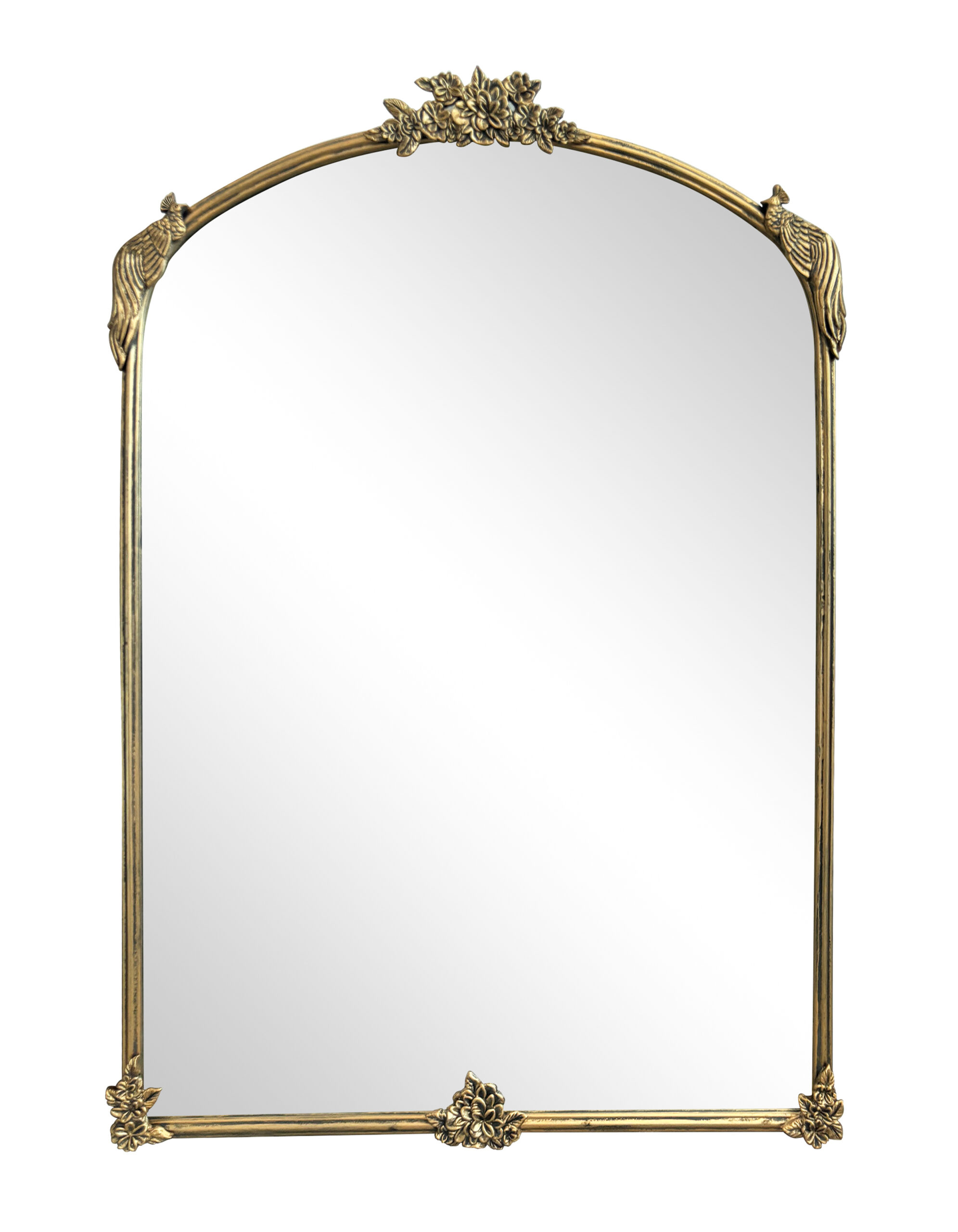
The frame is the sculpture. Consider heavy, textural materials like carved wood, twisted rope, hammered metal, or polished brass. Alternatively, a frameless mirror with an unusual carved or beveled edge can be just as impactful.
Scale & Proportion
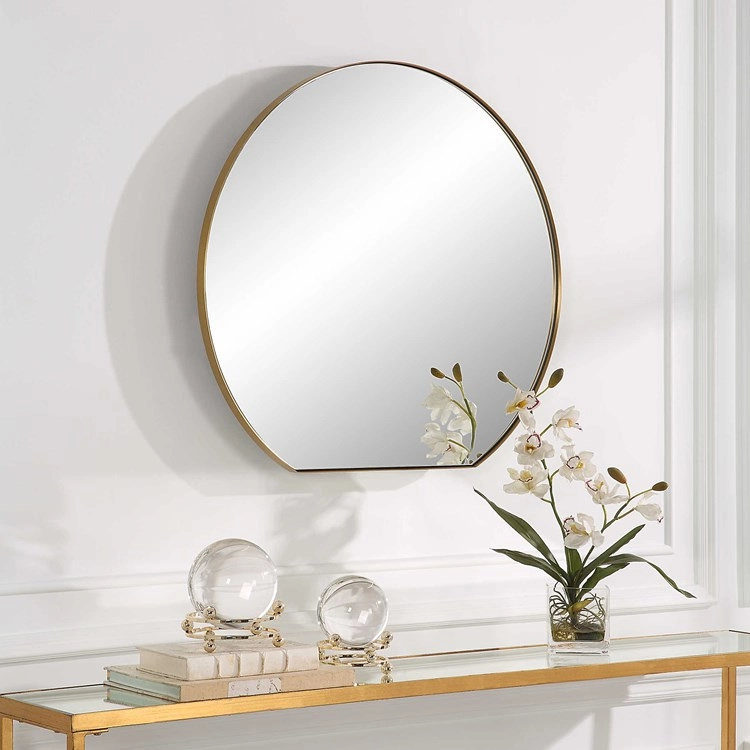
It must command attention without overwhelming the wall. Over a console table, it should be roughly 2/3 the table’s width. In a large living room, don’t be afraid to let it occupy a significant portion of the wall.
Style Alignment
The mirror should harmonize with your overall design theme:
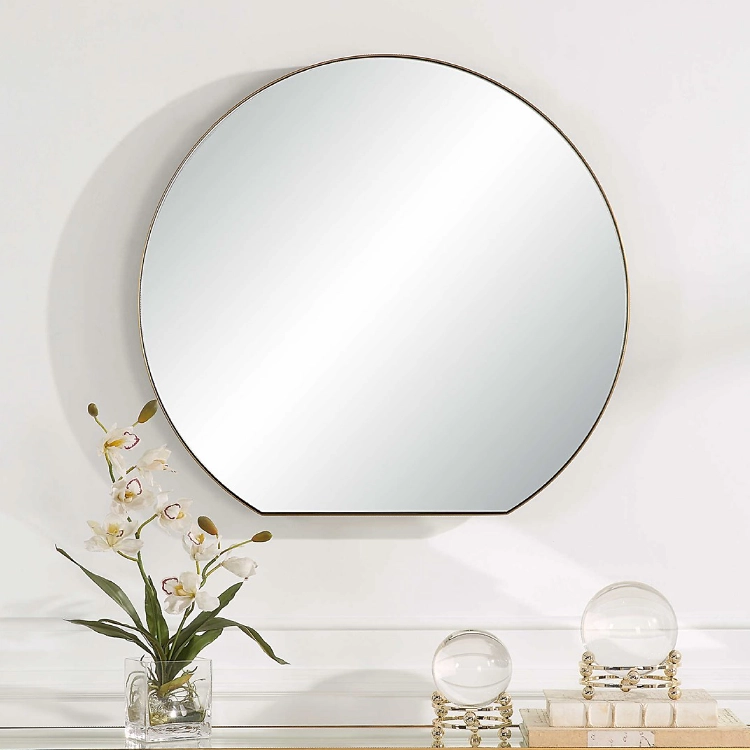
• Modern: Sleek metals, clean circles, sharp angles.
• Bohemian: Rattan, cane, sunbursts, irregular shapes.
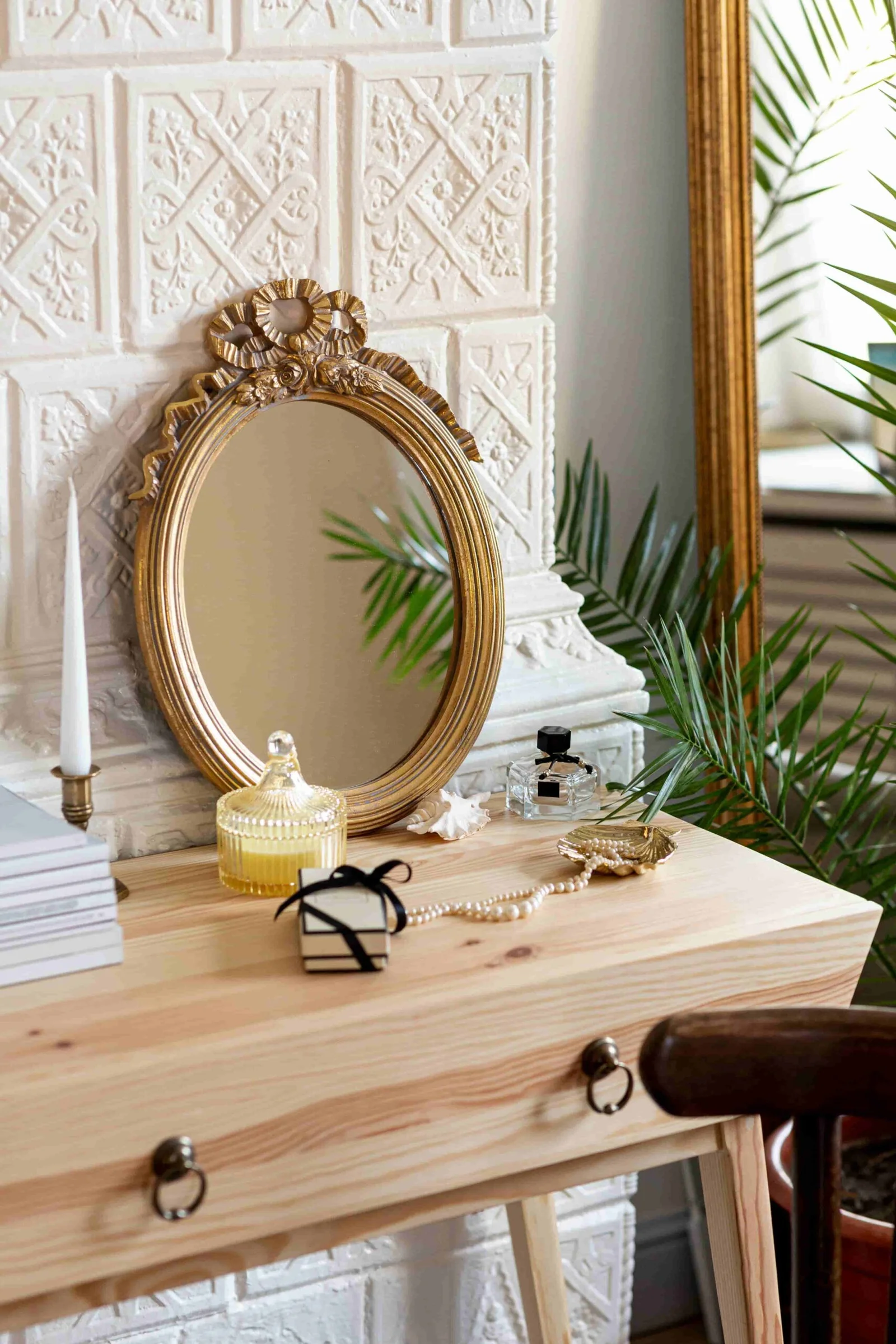
• Traditional: Ornate gold or silver leaf, classical motifs.
• Minimalist: A simple but perfectly irregular organic shape or a large, frameless circle.
Strategic Placement for Maximum Impact
Where you place the mirror is as important as the mirror itself.
The Entryway (The Grand Introduction):
Why: Creates a wow moment upon entering. It makes a small space feel open and provides a last check before heading out.
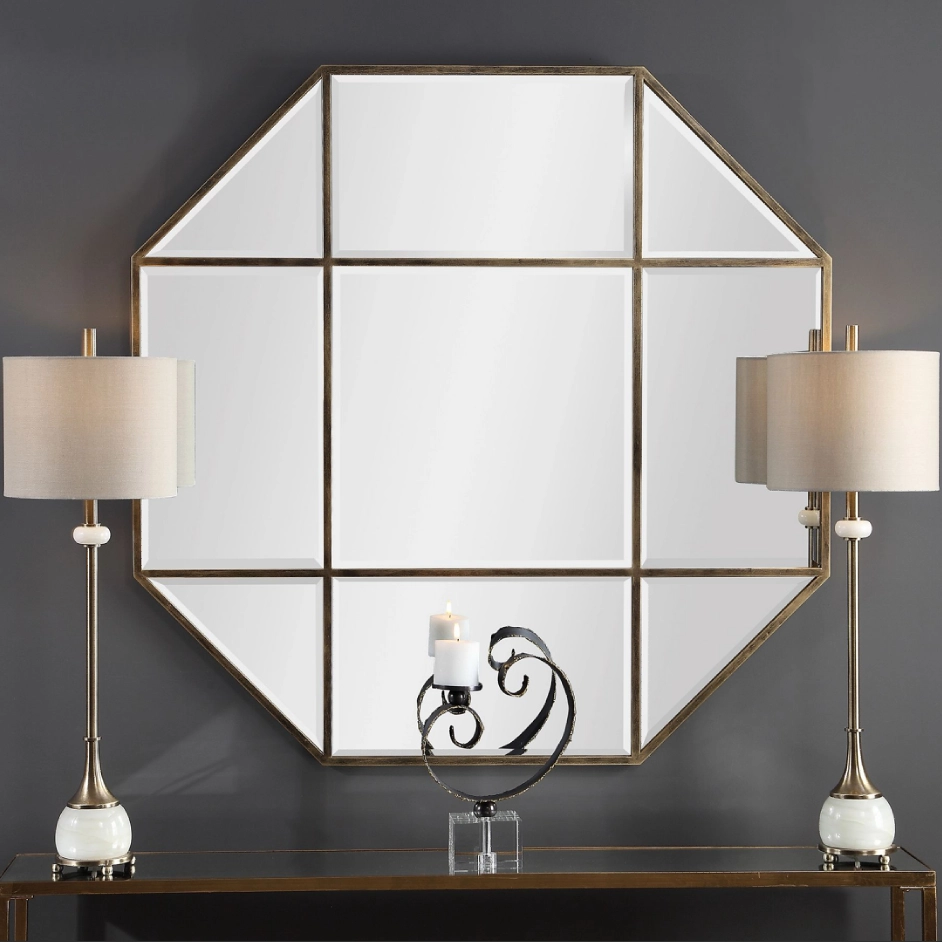
How: Place it above a console table, paired with a lamp or vase. Ensure it reflects something beautiful, like a pendant light or a piece of art across the hall.
Above the Mantel (The Classic Stage):
Why: The fireplace is a natural focal point. A sculptural mirror above it doubles the visual weight and drama of the area.
How: Choose a shape that contrasts with the mantel (a round mirror over a linear fireplace, an arched mirror over a rectangular one).
In the Dining Room (Elevating Elegance):
Why: It reflects the glow of a dining pendant light, candlelight, and the gathering of people, making the room feel more lively and luxurious.
How: Place it on the most prominent wall, often opposite or adjacent to the dining table. It can beautifully reflect a stunning sideboard or hutch.
In the Bedroom (A Dreamy Retreat):
Why: Adds glamour and depth. A large sculptural mirror can act as a substitute for a headboard or adorn a blank wall.
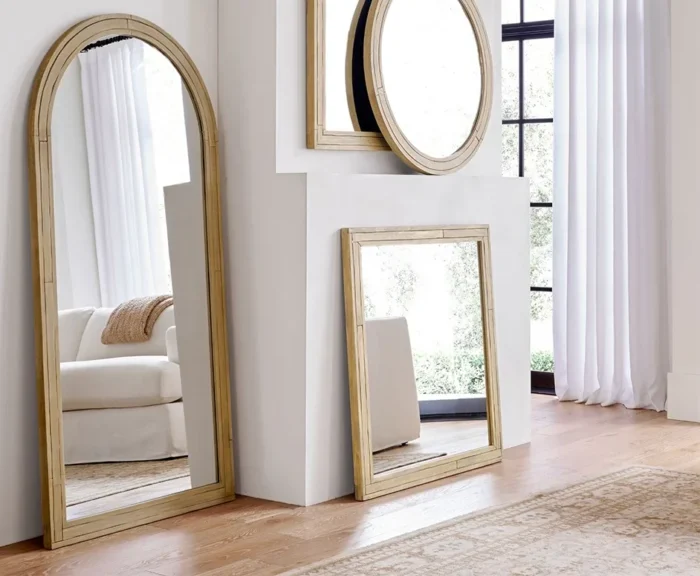
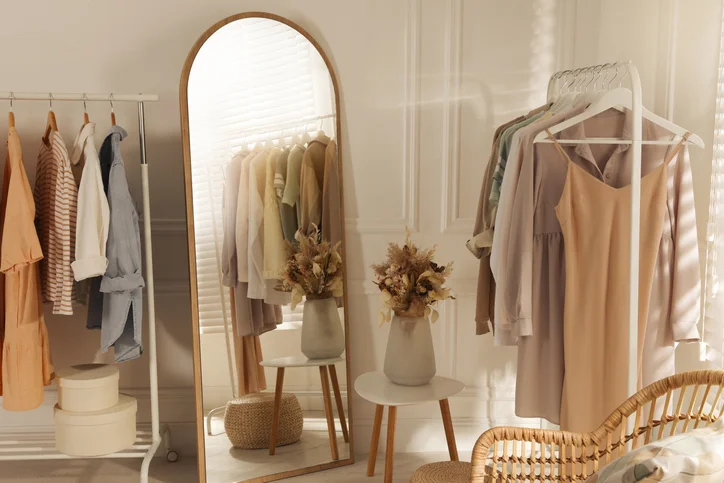
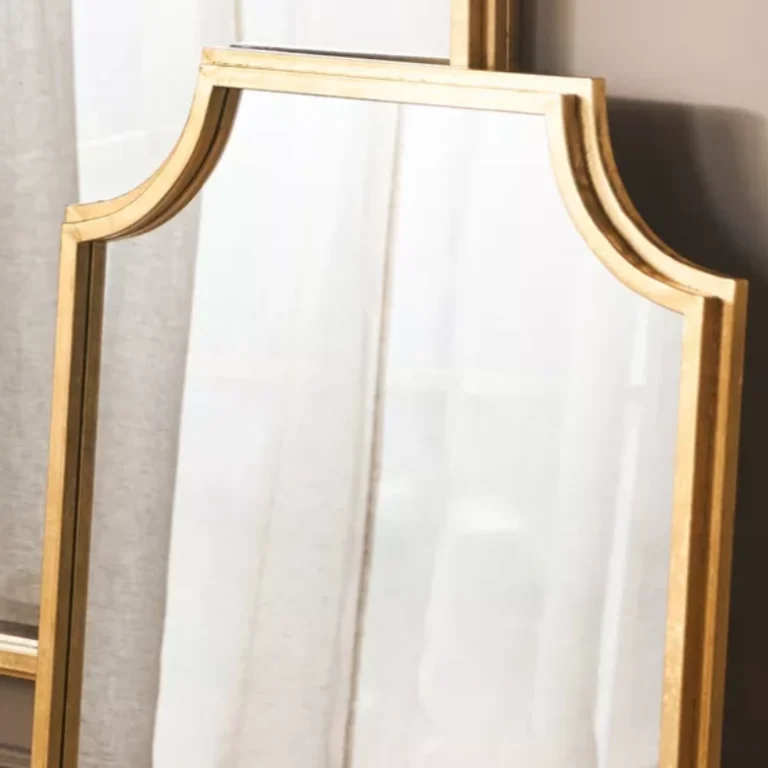
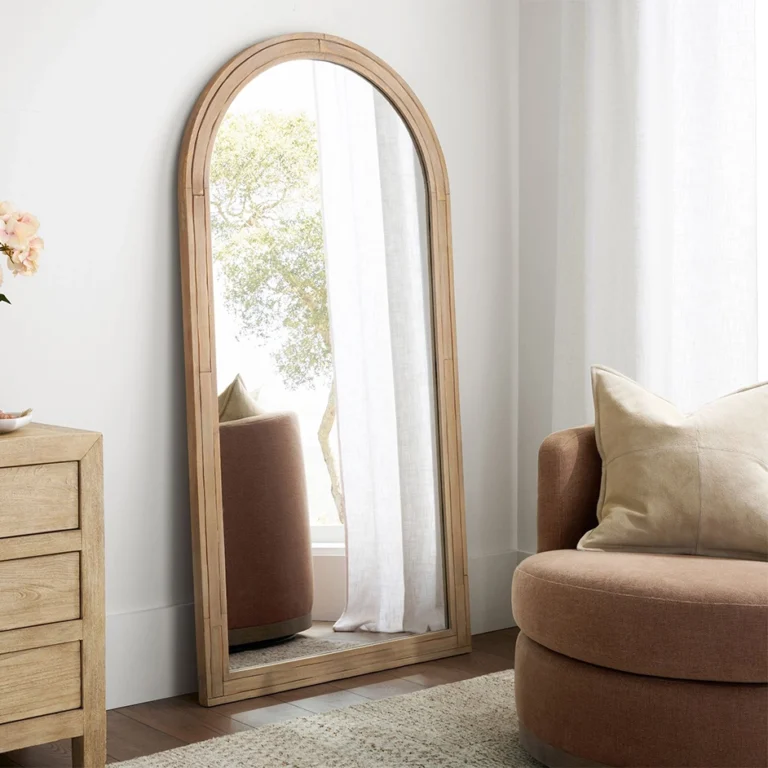
How: Lean a large, heavy mirror against the wall for a relaxed, elegant vibe. Alternatively, hang it above a dresser.
In an Unexpected Place (The Design Rebel):
Why: To create surprise and highlight an often-overlooked area.
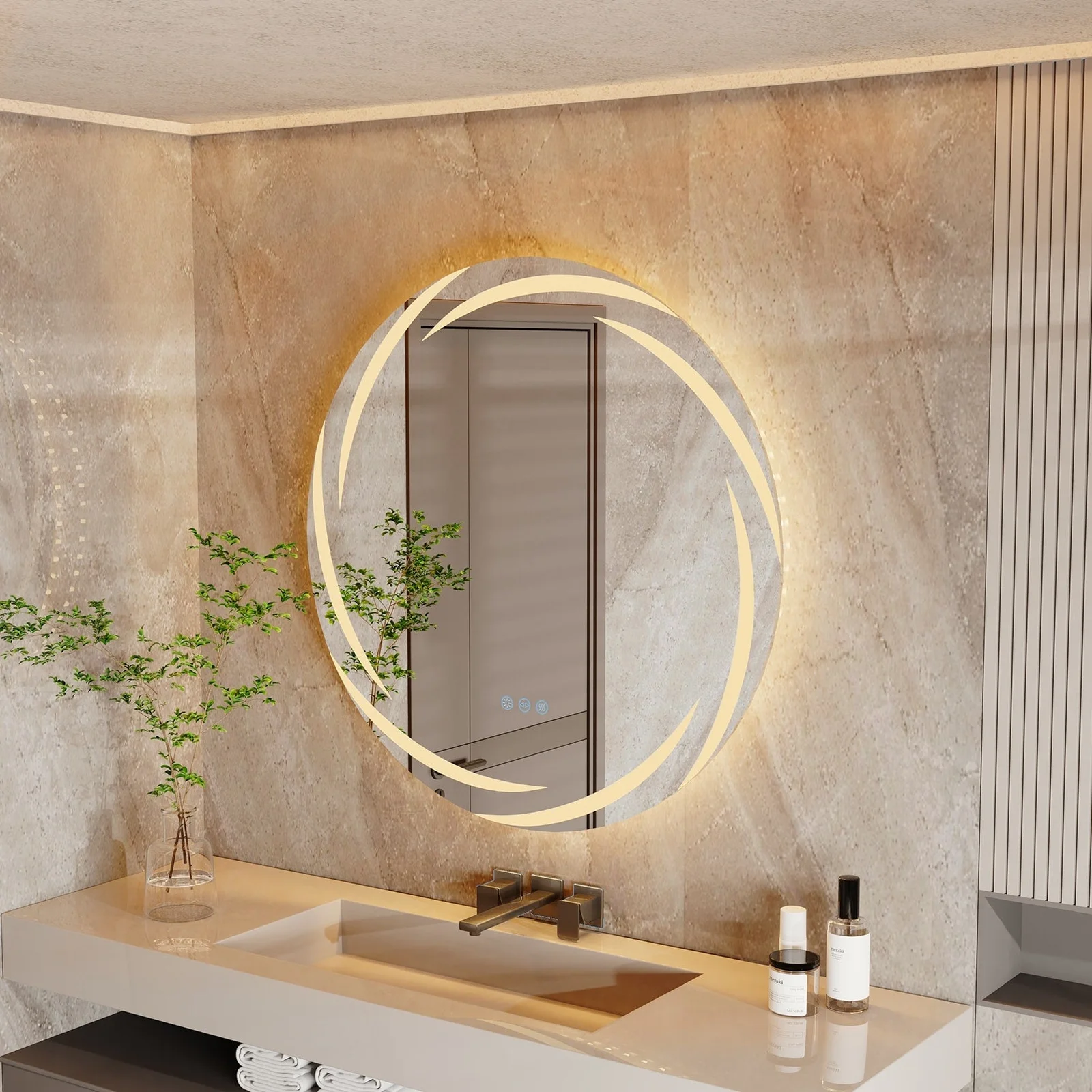
How: At the end of a hallway, in a powder room with bold wallpaper, or above a bathtub. This creates a “jewel box” effect.
Pro Tips and Considerations
Reflect with Intention: Be mindful of what your mirror reflects. Position it to capture a beautiful view, an interesting light fixture, or a piece of art. Avoid reflecting cluttered areas or glaring light sources.
Create Balance: A heavy, dramatic mirror needs to be balanced by other elements in the room. A substantial piece of furniture underneath (like a solid console table) will ground it and prevent it from looking like it’s floating awkwardly.
Mix and Match: Don’t be afraid to mix styles. A modern, sunburst mirror can add fantastic energy to a traditional room. An ornate, gilded mirror can add a touch of history and grandeur to a minimalist space.
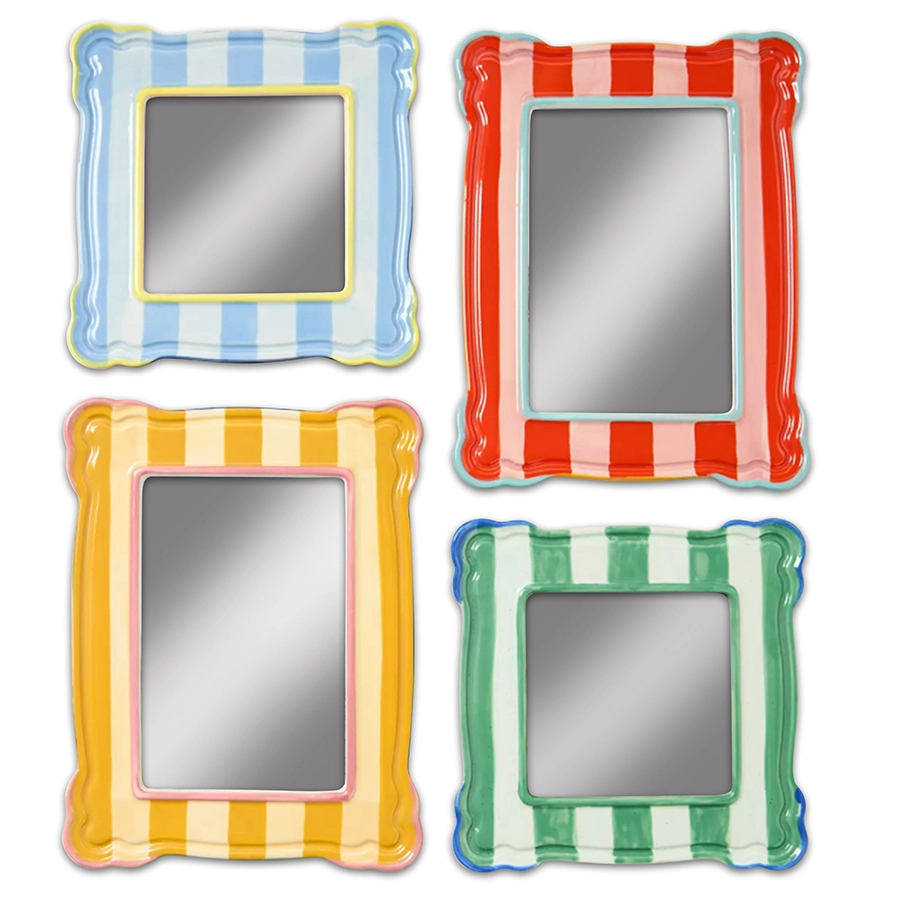
Grouping Mirrors: For a truly dramatic effect, create a gallery wall of smaller sculptural mirrors with different shapes and frames. This creates a captivating, multifaceted installation.
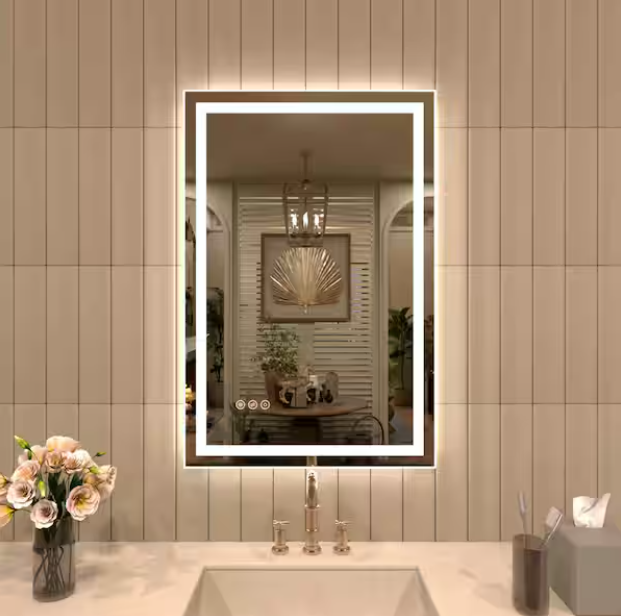
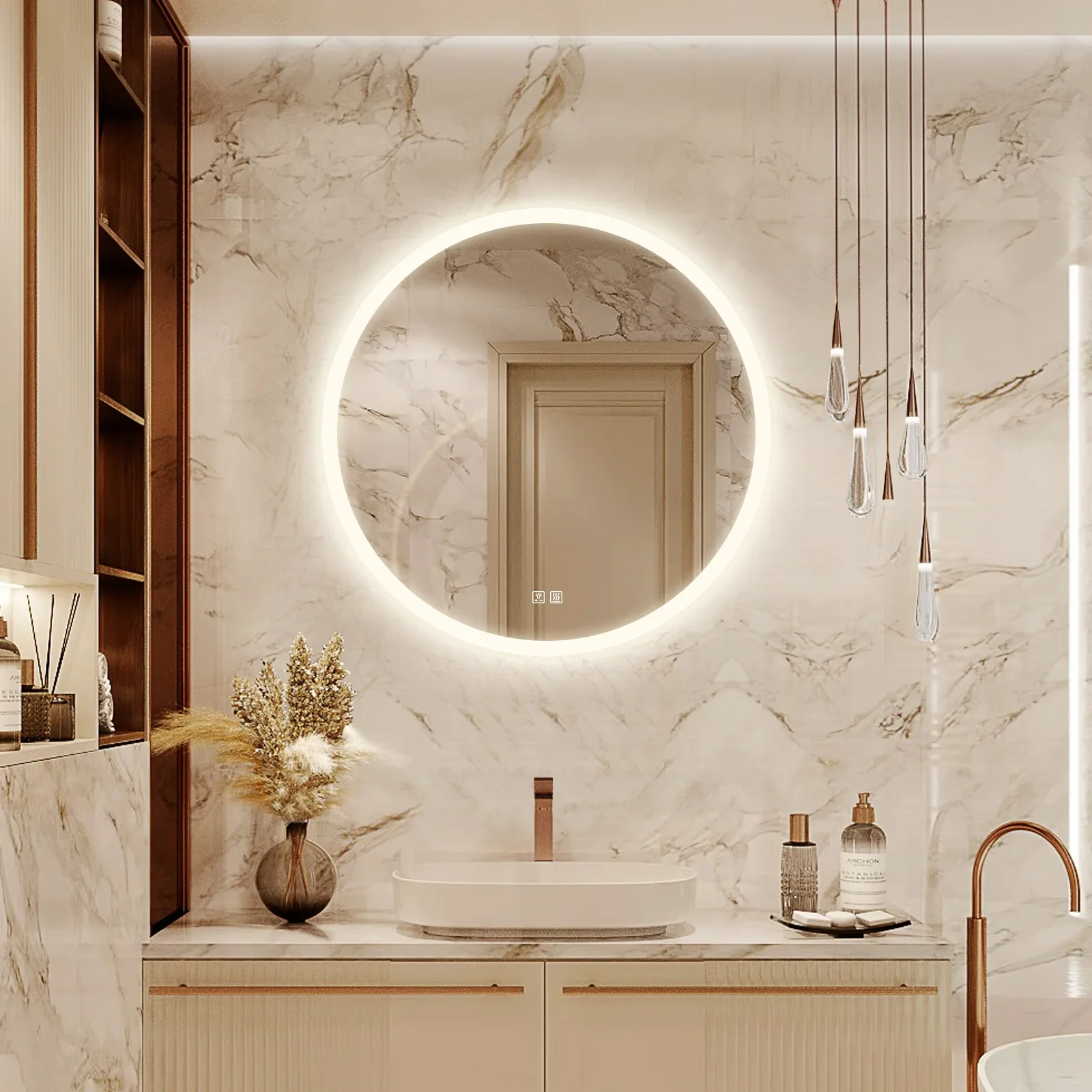
Lighting is Key: Highlight your mirror with directed lighting, like a picture light above or sconces on either side. This will enhance its sculptural qualities and make it glow.
Conclusion
A sculptural mirror is the secret weapon of interior designers. It is a functional piece of art that solves common design problems (darkness, small spaces) while injecting personality, light, and sophistication. By choosing a piece with intentional shape and material and placing it strategically, you can transform any room from ordinary to extraordinary.
Generally speaking, our order requirements are as follows: the minimum order quantity (MOQ) for large items is 50 pieces, for regular items it is 100 pieces, for small items it is 500 pieces, and for very small items (such as ceramic decorations) the MOQ is 1,000 pieces. Orders exceeding $100,000 will receive a 5% discount. The delivery timeline is determined based on the specific order quantity and production schedule. Typically, we are able to complete delivery within two months.








-scaled.jpg)












Leave a Reply