Location:
ChenDianHu Industrial Area, GanZhe Town, Minhou County,
Fuzhou City, Fujian Province, China
teruiermirror
Traditional Arabic mirror
25-09-02 61 view
Of course. The term "Traditional Arabic mirror" can refer to two beautiful and distinct concepts: The Ayna (Mirror) as a Decorated Object: A physical mirror, often from the Islamic world, adorned with traditional craftsmanship. The Concept of the "Mirror of the Prince": A famous literary genre of advice for rulers. Let's explore both. 1. The Physical Mirror (Ayna - مرآة) Traditional Arabic and Islamic mirrors were not just functional objects but works of art, reflecting (both literally and figuratively) the exquisite craftsmanship of the era. They were often made from highly polished metal before glass mirror technology became widespread. Key Characteristics and Features: Material: Early mirrors were primarily made of polished steel or silvered bronze. These metals were meticulously polished to a high sheen to create a reflective surface. Later, with technological advances, glass mirrors with metallic backing were incorporated into the same artistic frames. Decoration (The Most Important Aspect): Engraving: The metal surfaces (both the back and the handle) were often deeply engraved with intricate designs. Inlay: A signature technique of Islamic metalwork. Designs were created by inlaying silver, gold, or copper wires into grooves hammered into the iron or steel base. This created stunning contrast and detail. Calligraphy: This is a hallmark of Islamic art. Mirrors frequently featured elegant Arabic calligraphic inscriptions. Common inscriptions included: Blessings and good wishes for the owner (e.g., "Barakah" (blessing), "Yumn" (good fortune)). Poetry or wise sayings. The name of the ruling sultan or patron. Praise to God (e.g., "Al-Mulk Lillah" - "Sovereignty belongs to God"). Geometric and Floral Patterns: Reflecting the Islamic artistic preference for aniconism (avoiding human figures in religious contexts), designs were based on arabesques (interwoven flowing lines and foliage), geometric patterns (stars, polygons), and stylized floral motifs. Shape: They were often round, symbolizing the sun or the universe, but hand mirrors could also be oval or shaped like a polygon. Historical Context: Some of the finest examples come from the Medieval Islamic period (12th-14th centuries), particularly from manufacturing centers in Egypt (Mamluk period) and Syria. These were luxury items owned by the wealthy and elite. Modern Interpretation: Today, a "traditional Arabic mirror" for interior design refers to a modern mirror framed in a style that evokes this heritage: A round mirror with a wide frame. Frames made of dark wood with mother-of-pearl inlay (a technique popular in Syria and Egypt). Frames with geometric metalwork (e.g., brass) mimicking the old patterns. Use of Arabic calligraphy around the border, often spelling words like "Allah" (God) or "Bismillah" (In the name of God). 2. The Literary "Mirror" (Mirror for Princes) This is a profoundly important concept in Islamic political thought and literature. Known as "Mirāʾ al-umarā" (مرآة الأمراء) or "Siyasat-nameh", it translates to "The Mirror of Princes." What it is: It is a genre of advice literature, a manual written for a ruler or prince on the art of governance, ethics, justice, and statecraft. The "mirror" metaphor is powerful: the text is…
Of course. The term “Traditional Arabic mirror” can refer to two beautiful and distinct concepts:
The Ayna (Mirror) as a Decorated Object: A physical mirror, often from the Islamic world, adorned with traditional craftsmanship.
The Concept of the “Mirror of the Prince”: A famous literary genre of advice for rulers.
Let’s explore both.
1. The Physical Mirror (Ayna – مرآة)
Traditional Arabic and Islamic mirrors were not just functional objects but works of art, reflecting (both literally and figuratively) the exquisite craftsmanship of the era. They were often made from highly polished metal before glass mirror technology became widespread.
Key Characteristics and Features:
Material: Early mirrors were primarily made of polished steel or silvered bronze. These metals were meticulously polished to a high sheen to create a reflective surface. Later, with technological advances, glass mirrors with metallic backing were incorporated into the same artistic frames.
Decoration (The Most Important Aspect):
Engraving: The metal surfaces (both the back and the handle) were often deeply engraved with intricate designs.
Inlay: A signature technique of Islamic metalwork. Designs were created by inlaying silver, gold, or copper wires into grooves hammered into the iron or steel base. This created stunning contrast and detail.
Calligraphy: This is a hallmark of Islamic art. Mirrors frequently featured elegant Arabic calligraphic inscriptions. Common inscriptions included:
Blessings and good wishes for the owner (e.g., “Barakah” (blessing), “Yumn” (good fortune)).
Poetry or wise sayings.
The name of the ruling sultan or patron.
Praise to God (e.g., “Al-Mulk Lillah” – “Sovereignty belongs to God”).
Geometric and Floral Patterns: Reflecting the Islamic artistic preference for aniconism (avoiding human figures in religious contexts), designs were based on arabesques (interwoven flowing lines and foliage), geometric patterns (stars, polygons), and stylized floral motifs.
Shape: They were often round, symbolizing the sun or the universe, but hand mirrors could also be oval or shaped like a polygon.
Historical Context:
Some of the finest examples come from the Medieval Islamic period (12th-14th centuries), particularly from manufacturing centers in Egypt (Mamluk period) and Syria. These were luxury items owned by the wealthy and elite.
Modern Interpretation:
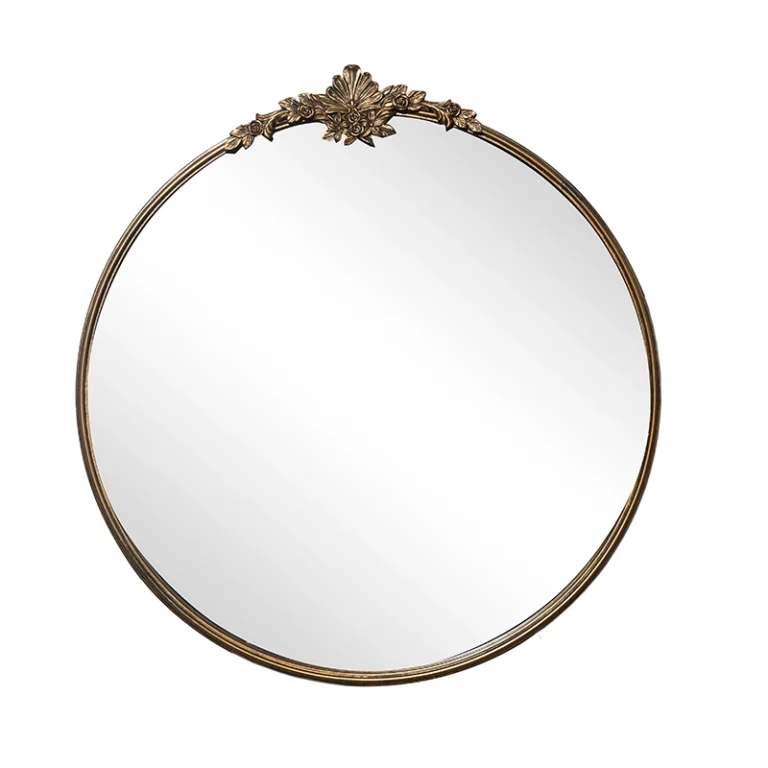
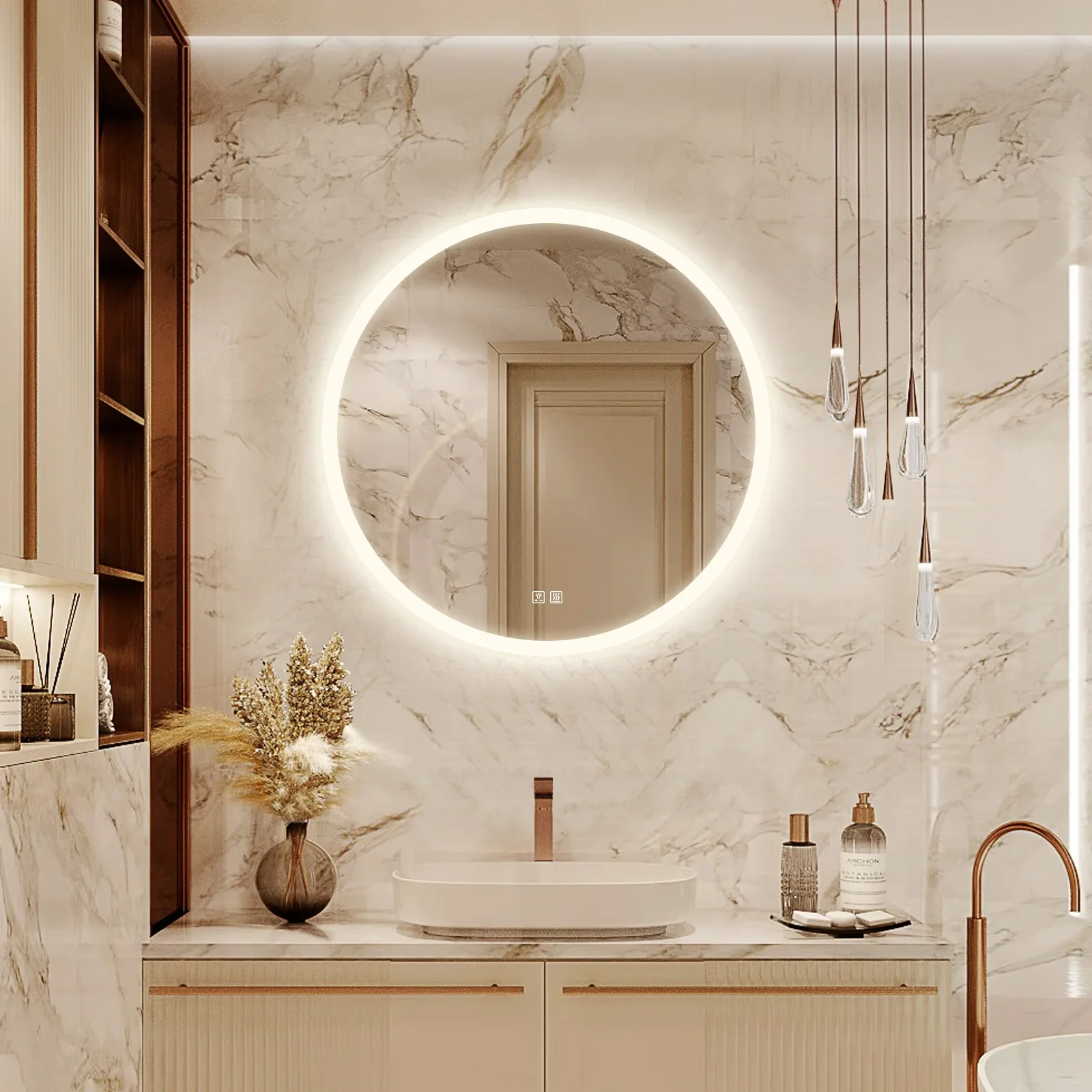
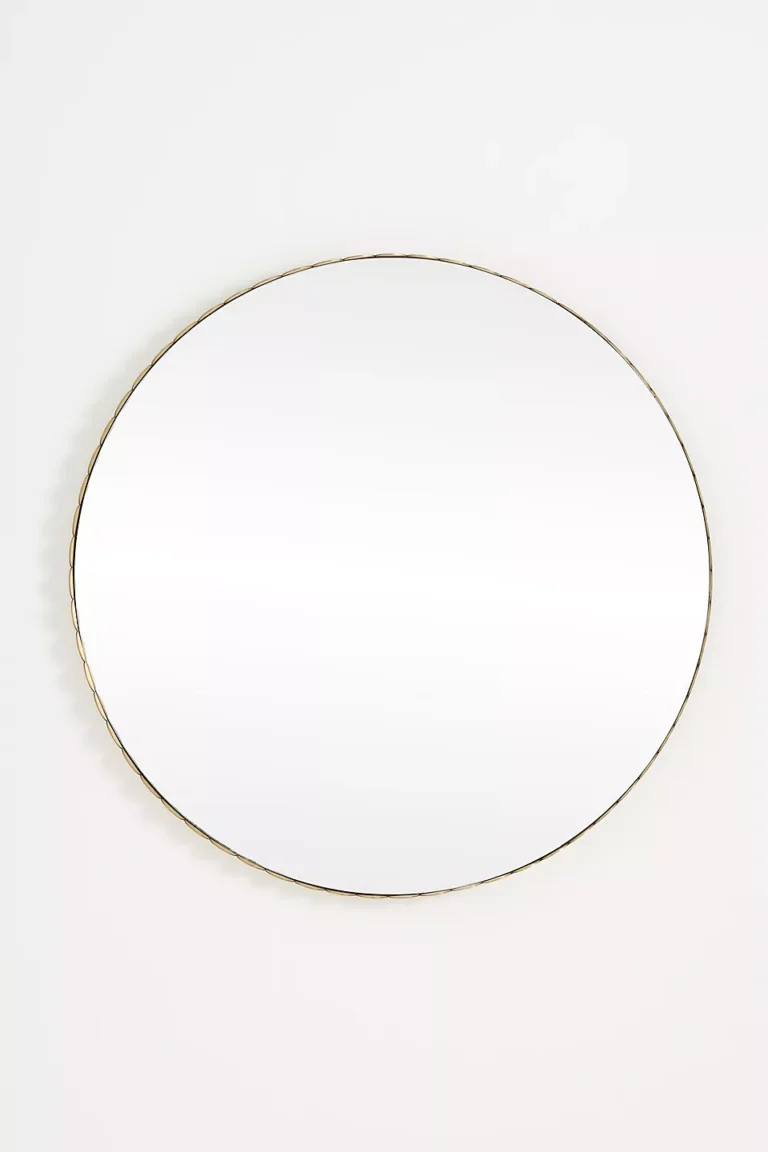
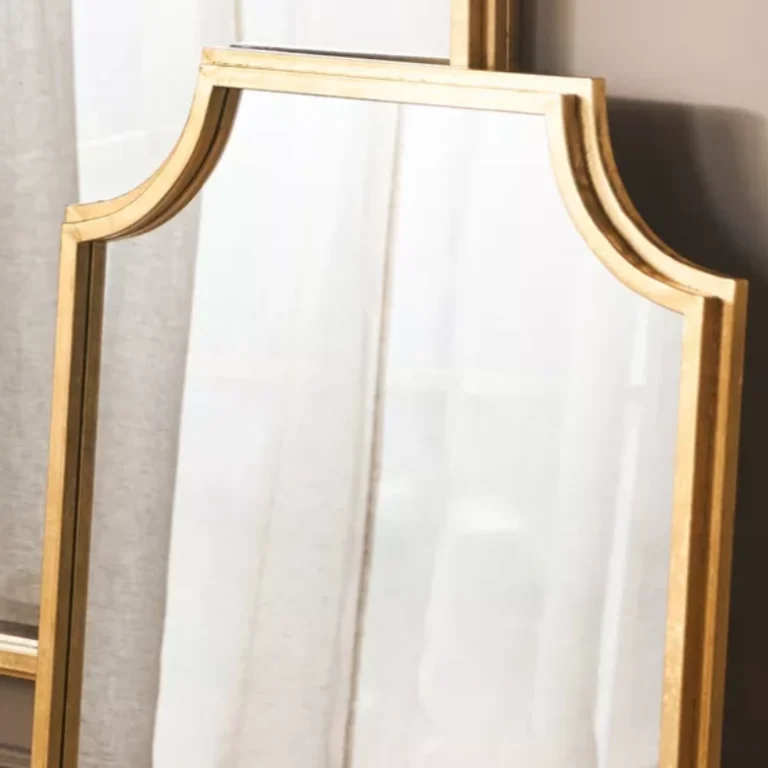
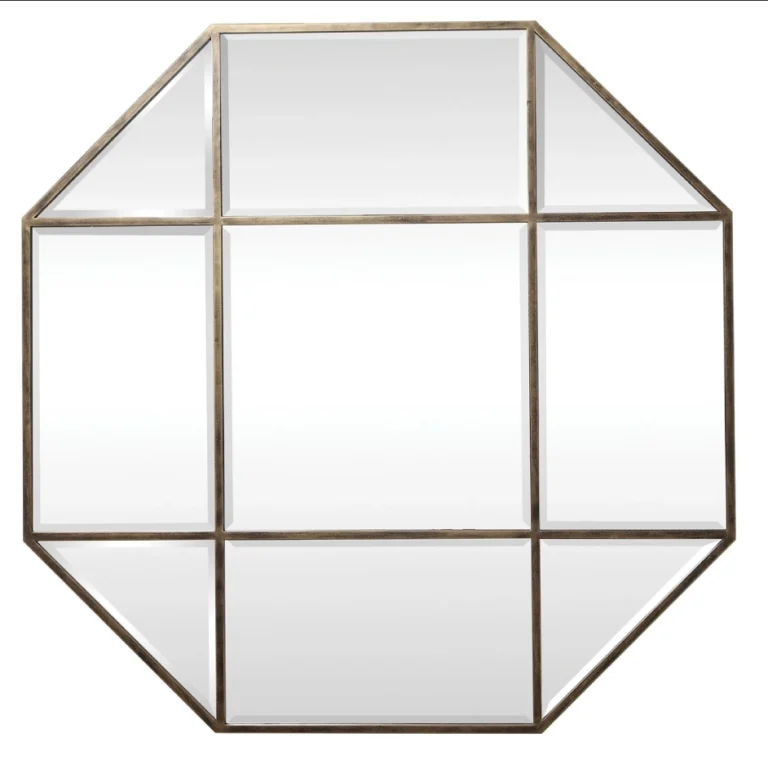
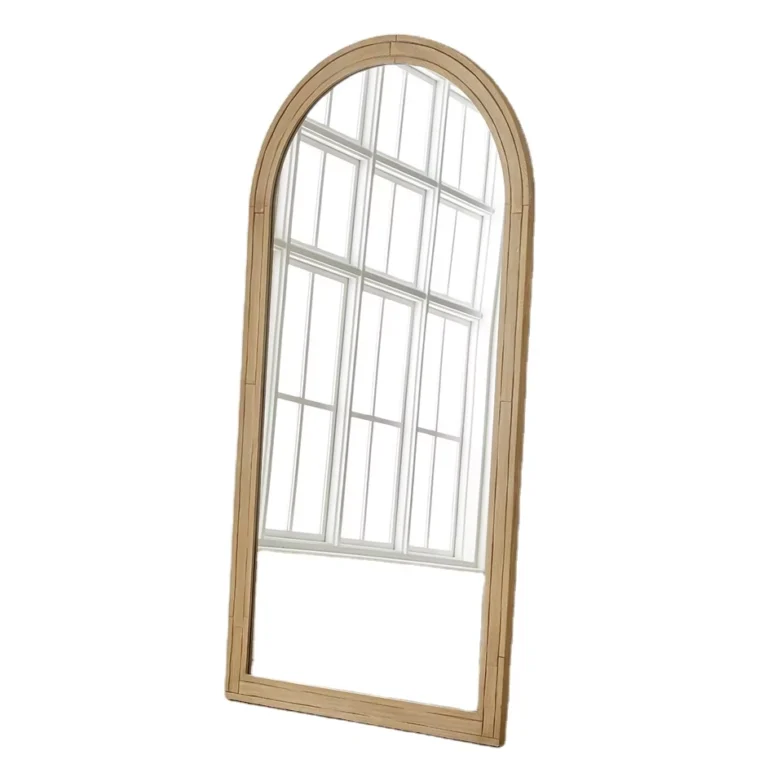
Today, a “traditional Arabic mirror” for interior design refers to a modern mirror framed in a style that evokes this heritage:
A round mirror with a wide frame.
Frames made of dark wood with mother-of-pearl inlay (a technique popular in Syria and Egypt).
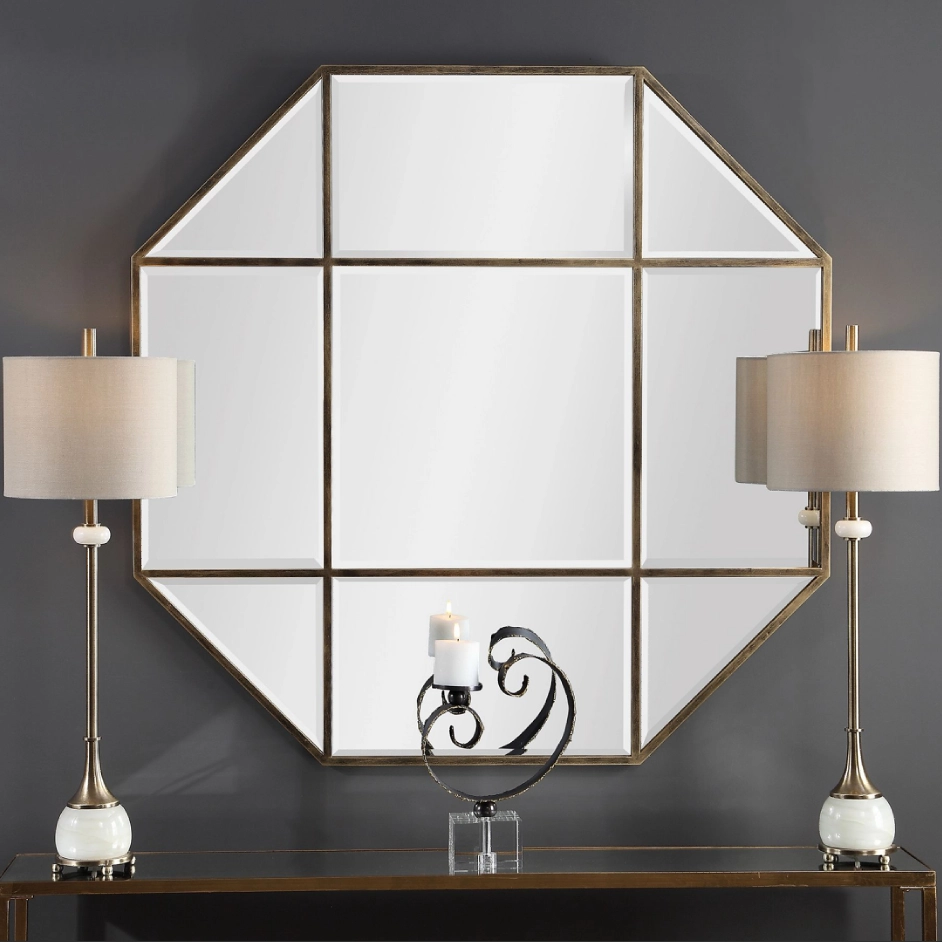
Frames with geometric metalwork (e.g., brass) mimicking the old patterns.
Use of Arabic calligraphy around the border, often spelling words like “Allah” (God) or “Bismillah” (In the name of God).
2. The Literary “Mirror” (Mirror for Princes)
This is a profoundly important concept in Islamic political thought and literature. Known as “Mirāʾ al-umarā” (مرآة الأمراء) or “Siyasat-nameh”, it translates to “The Mirror of Princes.”
What it is:
It is a genre of advice literature, a manual written for a ruler or prince on the art of governance, ethics, justice, and statecraft. The “mirror” metaphor is powerful: the text is meant to reflect the ideal qualities of a ruler, allowing them to see their own strengths and flaws and correct them accordingly.
Famous Arabic/Islamic Examples:
Kitab al-Taj (The Book of the Crown) – Attributed to the 9th-century writer Al-Jahiz.
Al-Ahkam al-Sultaniyya (The Ordinances of Government) by Al-Mawardi (11th century).
Perhaps the most famous from the Persian tradition, which heavily influenced the Arab world, is the Siyasatnama by Nizam al-Mulk, the vizier of the Seljuk Empire.
Key Themes in these “Mirrors”:
Justice (Adl): The paramount virtue of a ruler. Ensuring justice for all subjects was considered the foundation of a stable state.
Wisdom and Counsel: The importance of seeking advice from wise and experienced ministers.
Piety and Morality: The ruler’s duty to uphold religious law and be a moral example.
Statecraft and Practicality: Advice on managing the army, treasury, and relations with other nations.
The Circle of Justice: A classic concept stating that a powerful army requires a rich treasury, a rich treasury comes from taxes on a prosperous population, and a prosperous population requires just rule.
Summary
Aspect
The Physical Mirror (Ayna)
The Literary Mirror (Mirror for Princes)
Nature
An art object of metalwork and design.
A literary genre of political philosophy.
Purpose
Functional (to reflect one’s image) and decorative.
Didactic (to teach and advise a ruler on governance).
A Mirror Can Look Beautiful in Photos and Still Fail in Shipment: The QC Checkpoints Buyers Should Review Before Approval 2026-04-02
A mirror can look perfect in a product photo and still become a problem the moment it reaches the warehouse.
That is the mistake many buyers make.
They approve the style. They approve the finish. They approve the sample photo. But they do not approve the product as a repeatable shipment-ready item.
For decorative wall mirrors, floor mirrors, and full-length mirrors, the real question is not only whether the mirror looks attractive. The real question is whether it can survive production, packing, transport, unloading, and final display without creating complaints, replacements, or margin loss.
That is why mirror sourcing should always include clear mirror QC checkpoints.
Why mirror quality control matters more in traditional mirrors
With traditional mirrors, buyers are not only buying reflection. They are buying finish quality, structural consistency, and visual trust.
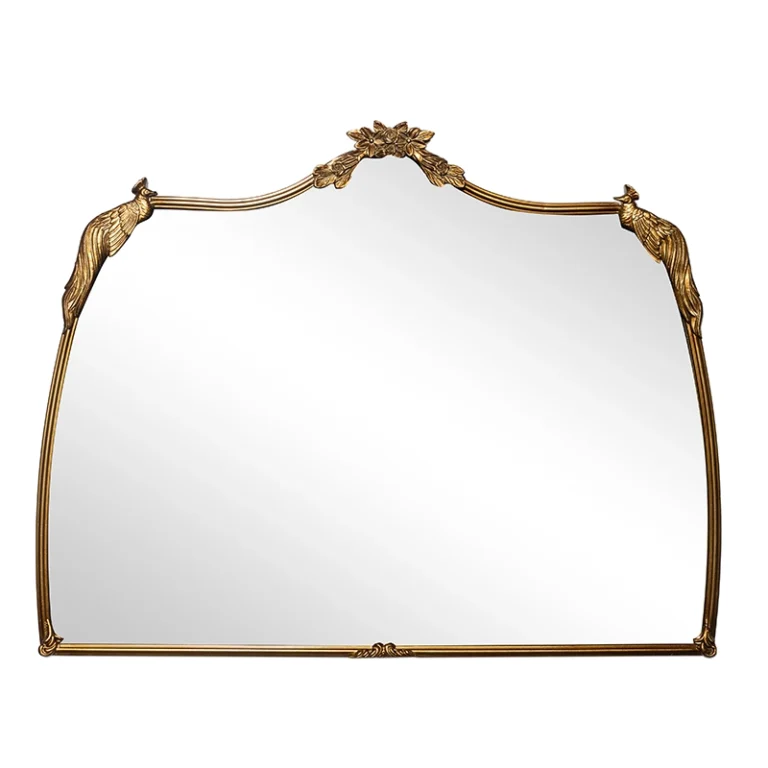
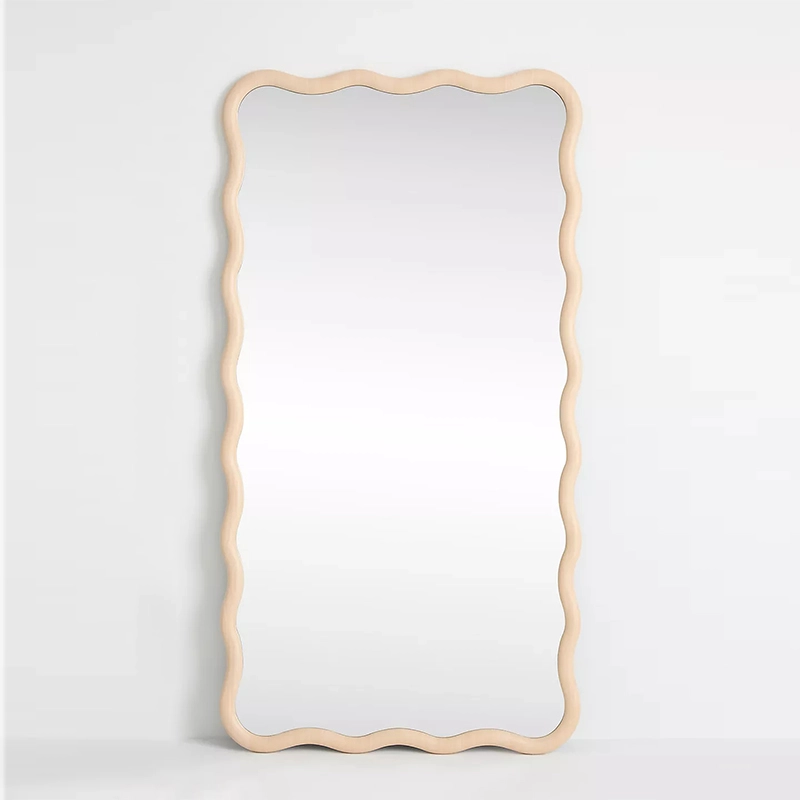
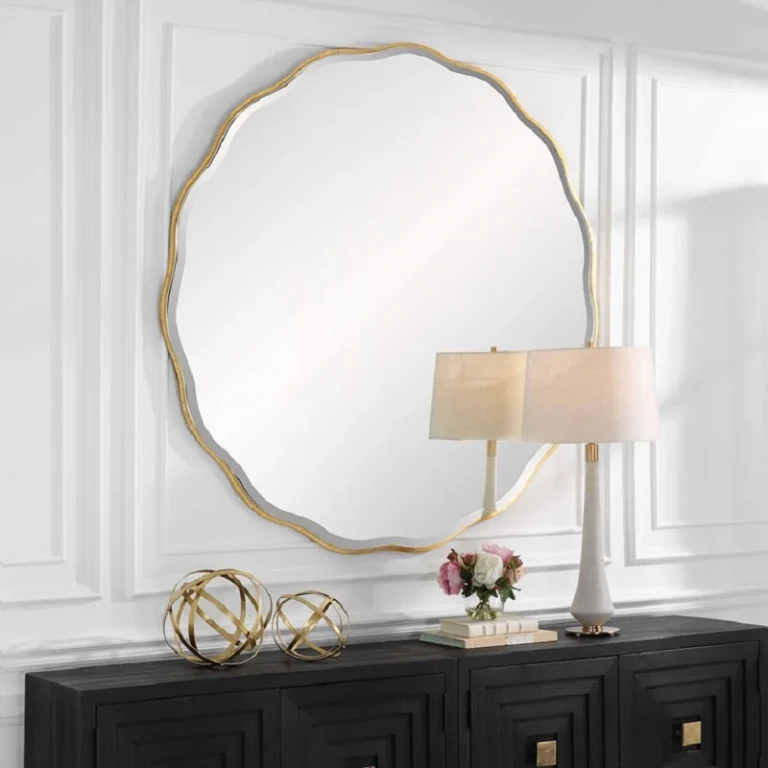
A small defect in a metal frame corner can lower the entire product grade. A slight wave in the mirror surface can make a full-length mirror feel cheap. A weak hanging bracket can turn a decorative wall mirror into a liability. A poor carton structure can destroy a floor mirror before it even reaches the customer.
In other words, traditional mirrors are highly visual products—but they fail through execution.
That is exactly why a proper mirror inspection checklist matters.
1. Start with the mirror surface, not the styling
The first checkpoint is the reflection itself.
Before discussing frame color, shape trend, or decorative details, buyers should inspect the glass surface carefully.
Look for:
reflection distortion
scratches
pinholes
black edge risk
cloudy spots
inconsistent mirror backing
visible defects near the perimeter
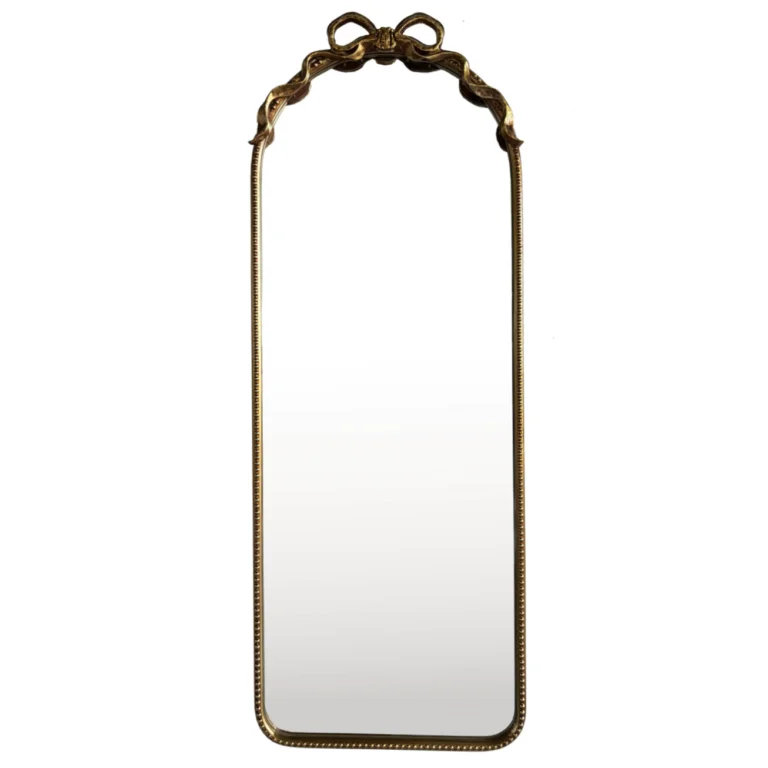
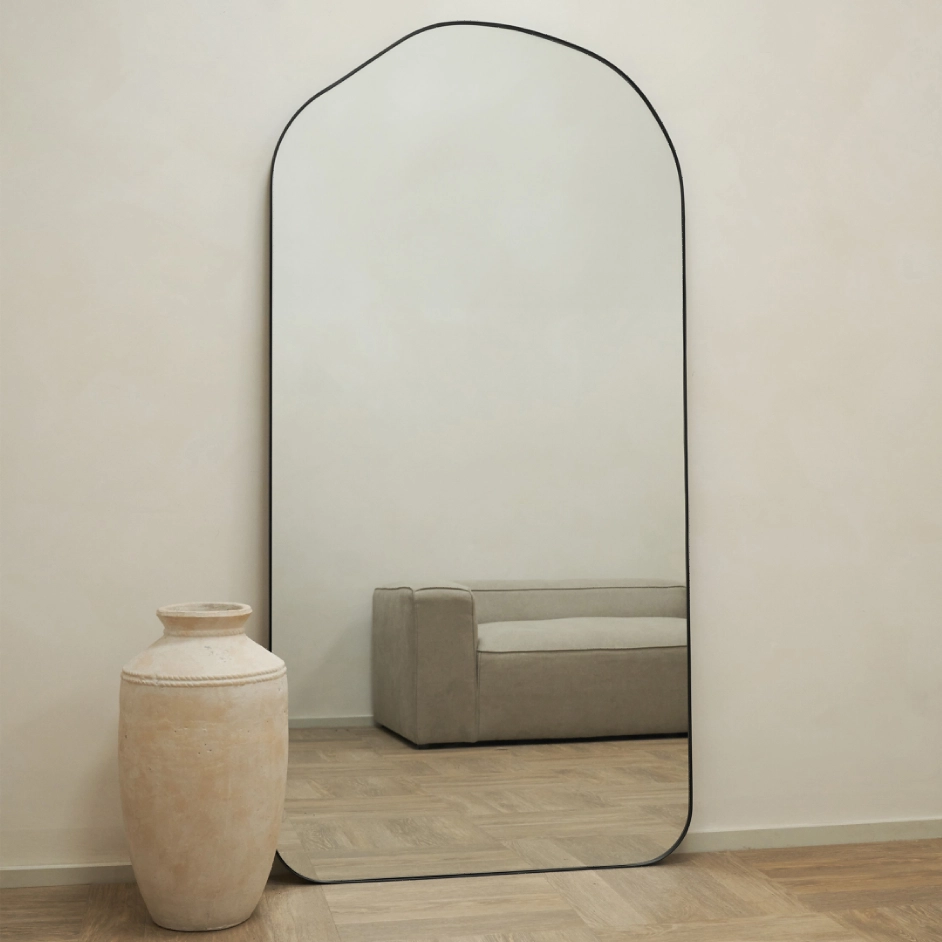
This is especially important in full-length mirror QC, because customers notice body distortion immediately. A mirror may still look “acceptable” on a warehouse floor, but once it is used in a bedroom, fitting room, or retail display, distortion becomes obvious.
If the reflection does not feel stable, the mirror is not ready.
2. Check frame construction as a value signal
In traditional mirrors, the frame is not a secondary part. It is often the reason the buyer chose the item in the first place.
For metal-framed mirrors, inspect:
corner welding
joint alignment
coating consistency
brushed finish direction
surface scratches
plating uniformity
For wood-framed mirrors, inspect:
color consistency
veneer matching
corner joining quality
paint coverage
rough sanding marks
edge smoothness
This is where a strong wall mirror quality control process becomes important.
A wall mirror is often judged from distance first and up close second. If the frame looks good from afar but feels rough, uneven, or poorly aligned when handled, the buyer loses confidence immediately.
3. Hanging hardware is part of product quality
A mirror is not finished when the front side looks good.
The back side decides whether it can actually be sold safely.
Every decorative mirror inspection checklist should include:
D-ring placement
hook alignment
screw fixing
backboard attachment
support strength
horizontal/vertical hanging readiness
stability under actual weight
For heavy decorative wall mirrors, buyers should also confirm whether hardware positioning matches the center of gravity. A mirror that hangs unevenly or feels insecure will create installation complaints very quickly.
For floor mirrors and leaning mirrors, inspect the support leg, opening angle, hinge stability, and anti-tip logic. These are not small details. They directly affect retail usability and return risk.
4. Batch consistency matters more than sample beauty
A good sample proves possibility. A good batch proves capability.
This is where many suppliers break down.
The approved sample may look excellent, but the batch may show:
inconsistent frame tone
different gold or black finish shades
uneven bevel effect
changing mirror brightness
different corner craftsmanship
unstable packaging method
So before shipment approval, buyers should compare production against the approved sample in a structured way.
That is what real mirror QC checkpoints are for.
5. Packaging should be inspected as seriously as the mirror itself
For mirrors, packaging is not an afterthought. It is product protection.
This is especially true for large wall mirrors and floor mirrors. A good mirror can still arrive broken if the packaging system is weak.
A practical floor mirror packaging inspection should include:
corner protection strength
front and back panel protection
carton wall strength
internal movement control
shock absorption materials
carton fit to product size
clear handling and orientation marks
For large-format mirrors, the packaging should never feel generic. If the carton design looks like a standard box applied to a fragile oversized item, the buyer should assume avoidable risk exists.
6. Dimensional control should be part of QC
The mirror may be stylish, but if the dimensions drift, the product loses commercial value.
Check:
total height and width
frame width consistency
thickness stability
diagonal balance
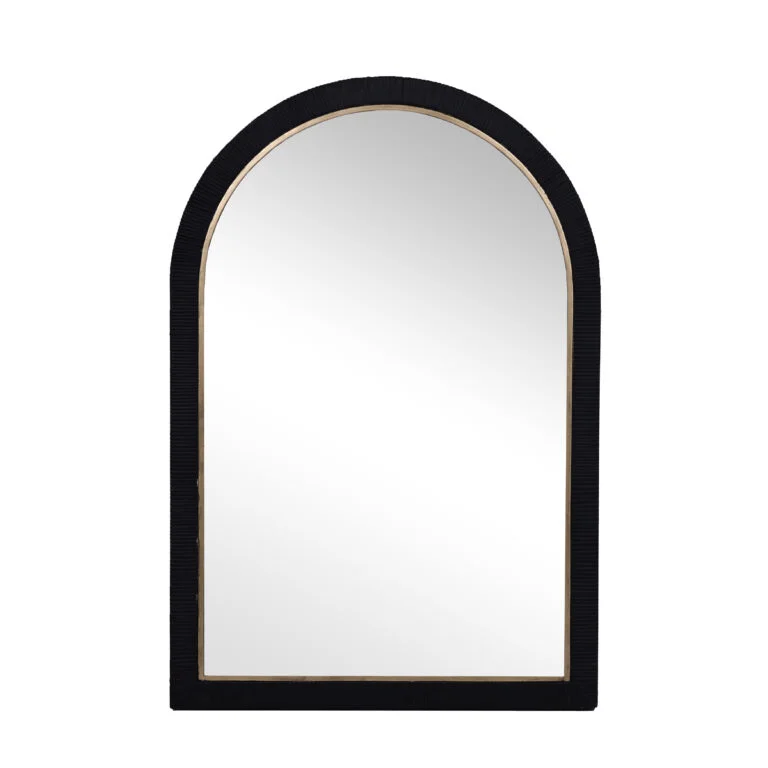
arch or curve symmetry
pair matching for set items
This is often ignored in basic inspections, yet it is one of the easiest ways to detect whether a factory is controlling production well or simply assembling attractive samples.
7. A good buyer asks quality questions before shipment
Before approving mirror production for shipment, buyers should ask:
Has reflection distortion been visually checked?
Are all frame corners aligned consistently?
Does the finish match the approved sample batch-wide?
Has the hanging hardware been tested?
Has the packaging been adjusted for this mirror size?
Are pre-shipment photos available for front, side, back, and packed condition?
What defects are considered rejectable?
How will consistency be controlled in reorders?
These questions do not make the buying process slower.
They make it safer.
8. What strong mirror QC says about a supplier
A supplier that only shows design understands selling.
A supplier that shows process understands repeat business.
That is the difference buyers should care about.
At Teruier, we believe traditional mirrors should be managed not just as décor products, but as deliverable products. A mirror must not only look right in a collection. It must also arrive right, hang right, and reorder right.
Because for buyers, the shipment is not successful when the mirror looks beautiful in a brochure.
The shipment is successful when the mirror arrives with confidence built in.
Generally speaking, our order requirements are as follows: the minimum order quantity (MOQ) for large items is 50 pieces, for regular items it is 100 pieces, for small items it is 500 pieces, and for very small items (such as ceramic decorations) the MOQ is 1,000 pieces. Orders exceeding $100,000 will receive a 5% discount. The delivery timeline is determined based on the specific order quantity and production schedule. Typically, we are able to complete delivery within two months.

















-scaled.jpg)


Leave a Reply