Location:
ChenDianHu Industrial Area, GanZhe Town, Minhou County,
Fuzhou City, Fujian Province, China
teruiermirror
Wall Mirror Wholesale Is Not Just About Buying More Units. It Is About Buying the Right Assortment.
26-04-01 3 view
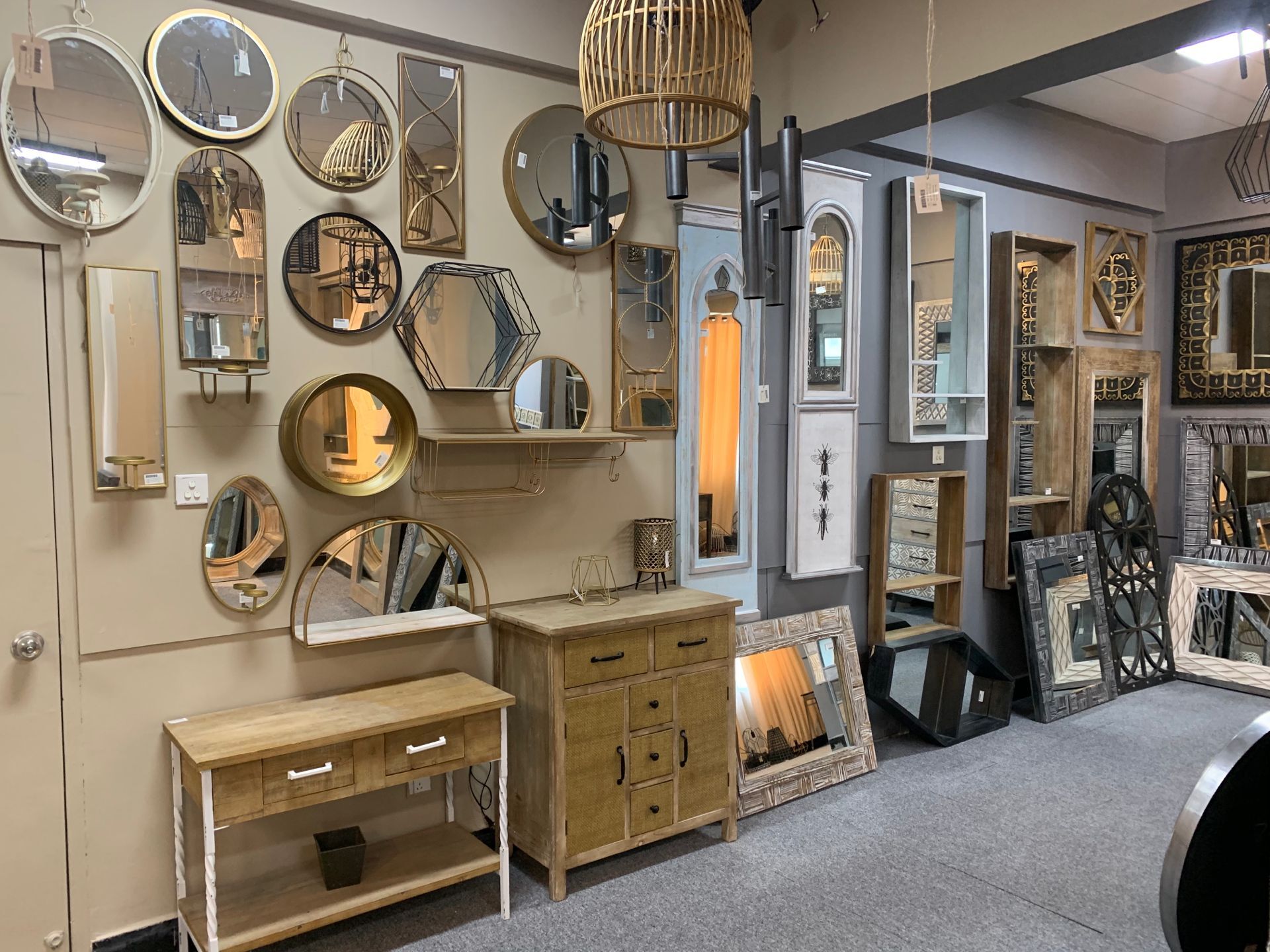
In the mirror business, volume matters. But volume alone does not make a wholesale program successful. A buyer can source a large number of wall mirrors and still end up with the wrong assortment, the wrong finish direction, the wrong price architecture, or the wrong packaging logic. When that happens, the problem is not that the supplier failed to ship. The problem is that the wholesale decision was never aligned with the actual business model. That is why wall mirror wholesale should not be treated as a simple purchasing task. It is really an assortment decision. And the buyers who perform best in this category usually understand that early. Why wall mirrors remain one of the strongest categories in home decor Wall mirrors continue to matter because they sit at the intersection of style and utility. They help a space look brighter.They create visual scale.They can act as accent pieces or anchor pieces.They work across residential, retail, hospitality, and mixed-use environments. That broad usability is one reason the category remains commercially attractive. But it is also what makes wholesale wall mirror sourcing more complicated than it first appears. Because “wall mirror” is not one category in practice. It includes many different buying intentions: functional everyday mirrors decorative statement mirrors entryway mirrors bathroom wall mirrors bedroom and living space mirrors project mirrors for apartments and hospitality framed mirrors for furniture and decor retailers private label mirror collections Each of these carries different expectations around style, price, durability, packaging, and reorder rhythm. So when buyers search for wall mirror wholesale, what they really need is not just supply. They need better category judgment. The biggest mistake buyers make in wholesale wall mirrors A common mistake in wholesale sourcing is to think the category can be won with quantity and variety alone. Some suppliers try to impress buyers by showing hundreds of styles. At first glance, that feels useful. But too much uncontrolled variety often creates more noise than value. A buyer does not need endless mirror options. A buyer needs a wall mirror assortment that is more likely to work inside a specific sales environment. That means the real wholesale questions are: Which mirror shapes suit this channel? Which finishes are easier to sell and reorder? Which sizes make sense for freight and merchandising? Which styles feel current without becoming too risky? Which SKUs can carry margin without creating hidden operational pain? That is why wholesale mirror sourcing is not just about product availability.It is about selection discipline. What good wall mirror wholesale sourcing looks like A strong wall mirror wholesale program usually balances four things well: style relevance price logic packaging reliability reorder stability If one of those breaks, the program…
Wall Mirror Wholesale Is Not Just About Buying More Units. It Is About Buying the Right Assortment.
Wall Mirror Wholesale Is Not Just About Buying More Units. It Is About Buying the Right Assortment.
In the mirror business, volume matters.
But volume alone does not make a wholesale program successful.
A buyer can source a large number of wall mirrors and still end up with the wrong assortment, the wrong finish direction, the wrong price architecture, or the wrong packaging logic. When that happens, the problem is not that the supplier failed to ship. The problem is that the wholesale decision was never aligned with the actual business model.
That is why wall mirror wholesale should not be treated as a simple purchasing task.
It is really an assortment decision.
And the buyers who perform best in this category usually understand that early.
Why wall mirrors remain one of the strongest categories in home decor
Wall mirrors continue to matter because they sit at the intersection of style and utility.
They help a space look brighter. They create visual scale. They can act as accent pieces or anchor pieces. They work across residential, retail, hospitality, and mixed-use environments.
That broad usability is one reason the category remains commercially attractive.
But it is also what makes wholesale wall mirror sourcing more complicated than it first appears.
Because “wall mirror” is not one category in practice. It includes many different buying intentions:
functional everyday mirrors
decorative statement mirrors
entryway mirrors
bathroom wall mirrors
bedroom and living space mirrors
project mirrors for apartments and hospitality
framed mirrors for furniture and decor retailers
private label mirror collections
Each of these carries different expectations around style, price, durability, packaging, and reorder rhythm.
So when buyers search for wall mirror wholesale, what they really need is not just supply.
They need better category judgment.
The biggest mistake buyers make in wholesale wall mirrors
A common mistake in wholesale sourcing is to think the category can be won with quantity and variety alone.
Some suppliers try to impress buyers by showing hundreds of styles. At first glance, that feels useful. But too much uncontrolled variety often creates more noise than value.
A buyer does not need endless mirror options.
A buyer needs a wall mirror assortment that is more likely to work inside a specific sales environment.
That means the real wholesale questions are:
Which mirror shapes suit this channel?
Which finishes are easier to sell and reorder?
Which sizes make sense for freight and merchandising?
Which styles feel current without becoming too risky?
Which SKUs can carry margin without creating hidden operational pain?
That is why wholesale mirror sourcing is not just about product availability. It is about selection discipline.
What good wall mirror wholesale sourcing looks like
A strong wall mirror wholesale program usually balances four things well:
style relevance
price logic
packaging reliability
reorder stability
If one of those breaks, the program becomes weaker.
1. Style relevance
The mirror has to make sense for the target customer.
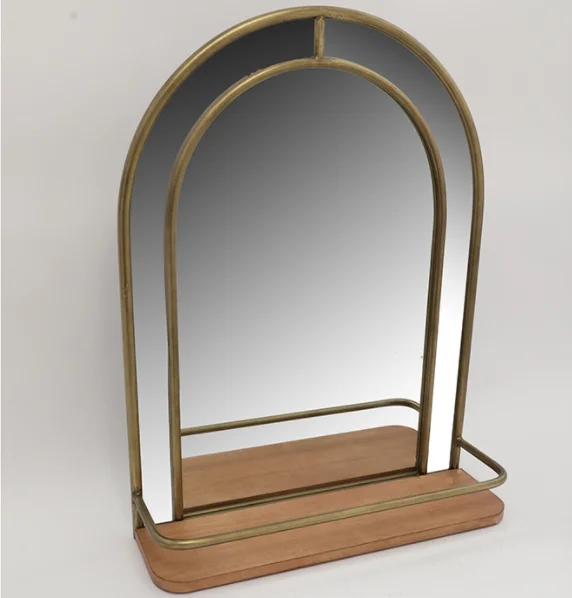
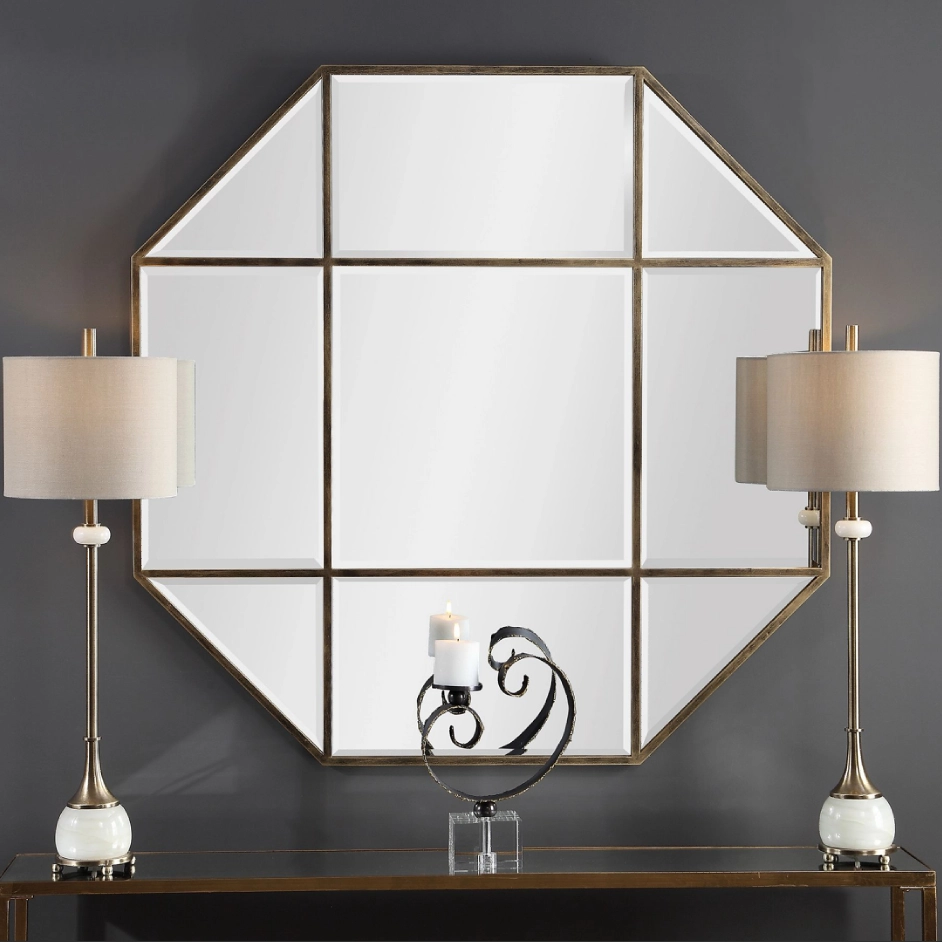
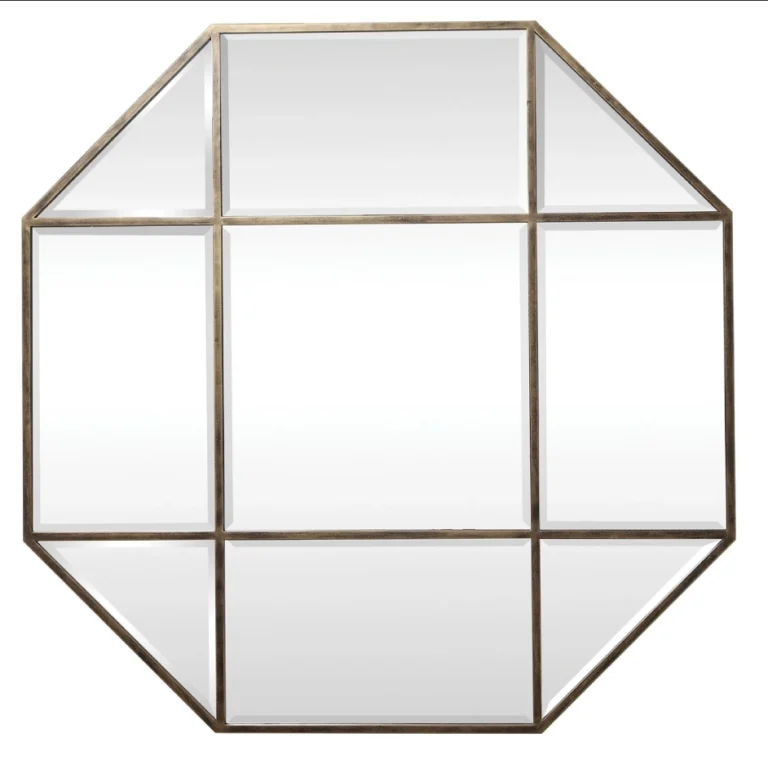
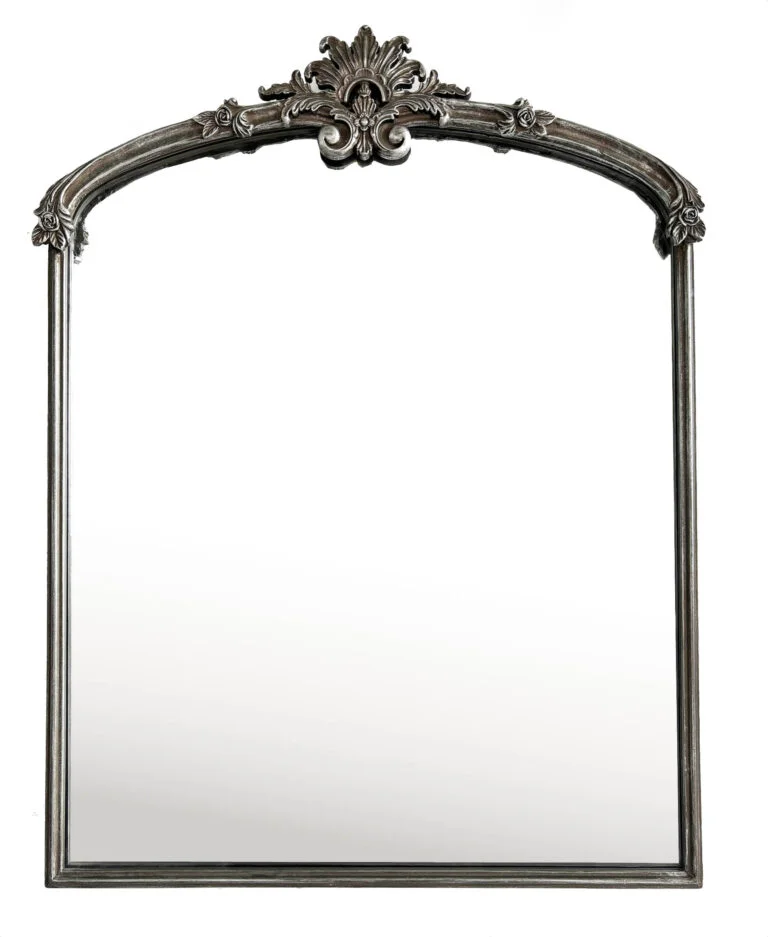
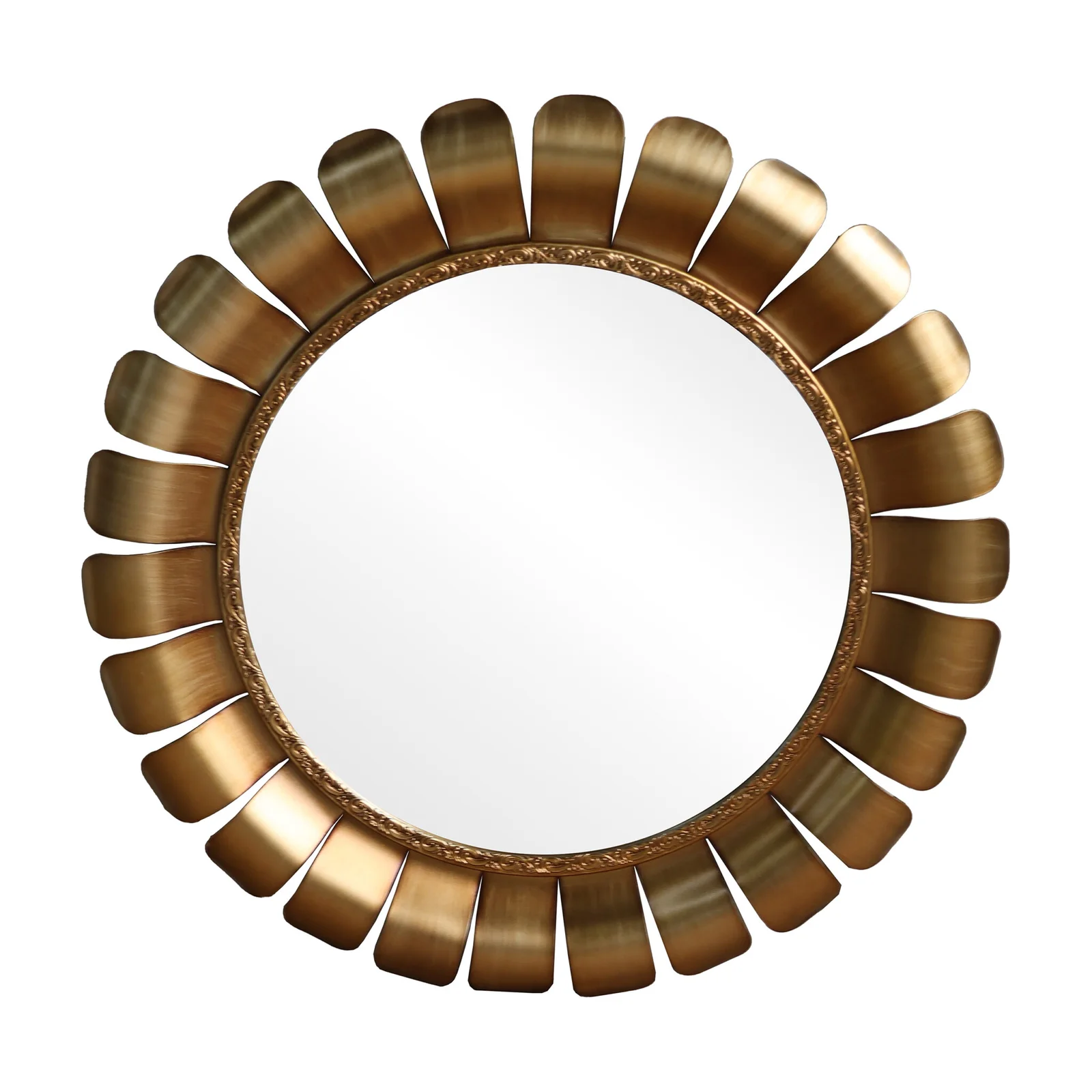
A decorative gold arch mirror may fit a design-forward retailer. A clean black frame mirror may work better for mass or project channels. An antique finish mirror may be strong in one assortment and too slow in another. A carved statement mirror may generate attention, but not necessarily repeat business.
Good wholesale sourcing means choosing styles with commercial fit, not just showroom appeal.
2. Price logic
Buyers do not only need a “good price.” They need a price structure that supports sell-through, positioning, and margin.
In wall mirrors, this often means paying attention to:
visual value at first glance
perceived material quality
frame finish discipline
size-to-price relationship
freight impact on total landed cost
A product that looks strong but becomes weak after freight and breakage is not really a competitive wholesale item.
3. Packaging reliability
This category is fragile by nature. A wholesale wall mirror supplier should not treat packaging like an afterthought.
If mirrors arrive chipped, scratched, or cracked, the buyer loses more than units. They lose trust in the category. That is why wholesale programs need to be built with shipping protection in mind from the beginning.
4. Reorder stability
Many wholesale buyers are not just filling a one-time order. They are trying to build repeatable winners.
A supplier who cannot hold dimensions, finishes, or packaging standards across reorders creates invisible risk for the buyer. The first order may look fine. The second reveals the weakness.
Why assortment matters more than “best seller lists”
Many buyers ask suppliers for best sellers. That is natural.
But “best seller” can be misleading if it is disconnected from channel logic.
A mirror that sells well in a boutique online brand may not work for a value retailer. A mirror that works in the U.S. may need adjustment for another market. A large-format trend piece may perform well in content but not in freight-heavy channels.
That is why a supplier should not only provide product suggestions. They should help interpret assortment fit.
For example:
Which mirrors are safer as volume SKUs?
Which mirrors are better as image-building accents?
Which mirrors are easier to reorder consistently?
Which mirrors are more exposed to breakage risk?
Which finishes are more stable across batches?
Which sizes offer stronger balance between presence and freight efficiency?
That is the kind of thinking that makes wall mirror wholesale more commercial and less random.
What retailers and importers really want from a wall mirror supplier
When buyers work with a wholesale supplier, they usually want more than units on a pallet.
They want support in building a cleaner decision process.
A serious wholesale wall mirror supplier should help buyers reduce uncertainty in several areas:
Product judgment Not every attractive mirror is a good wholesale mirror.
Finish discipline The product should look consistent across bulk quantity and reorders.
Packaging safety The mirror should be protected based on its actual fragility and shipping conditions.
Collection logic A group of mirrors should work together commercially, not just visually.
Repeat business support The supplier should be able to support continuity when a mirror starts working in the market.
This is where the difference between a trading-style supplier and a stronger manufacturing partner becomes clearer.
One mainly provides options. The other helps structure the category.
Why wall mirror wholesale is also a branding decision
For many retailers and private label buyers, wholesale sourcing is not just about stock. It is also about identity.
The wrong wall mirror assortment can make a brand feel generic. The right one can make the assortment feel more intentional and more ownable.
That is why buyers increasingly care about things like:
frame detail
shape refinement
finish tone
collection cohesion
level of distinctiveness
packaging presentation
whether the product feels overexposed in the market
In other words, wall mirror wholesale is not only a logistics decision. It can also shape how a brand is perceived.
And that matters more when competition gets tighter.
How TeruierMirror approaches wall mirror wholesale
At TeruierMirror, we do not believe wholesale should mean uncontrolled variety.
We believe a better wall mirror program comes from combining manufacturing support with clearer selection logic.
That means asking practical questions early:
What channel is this mirror for?
Is the buyer building a core assortment or a design accent layer?
What size range makes sense commercially?
What finish will hold up best in production and in the market?
What packaging protection is needed for this mirror type?
Can this SKU be reordered with confidence later?
That kind of approach helps buyers build assortments that feel more stable, not just more crowded.
Whether the need is for:
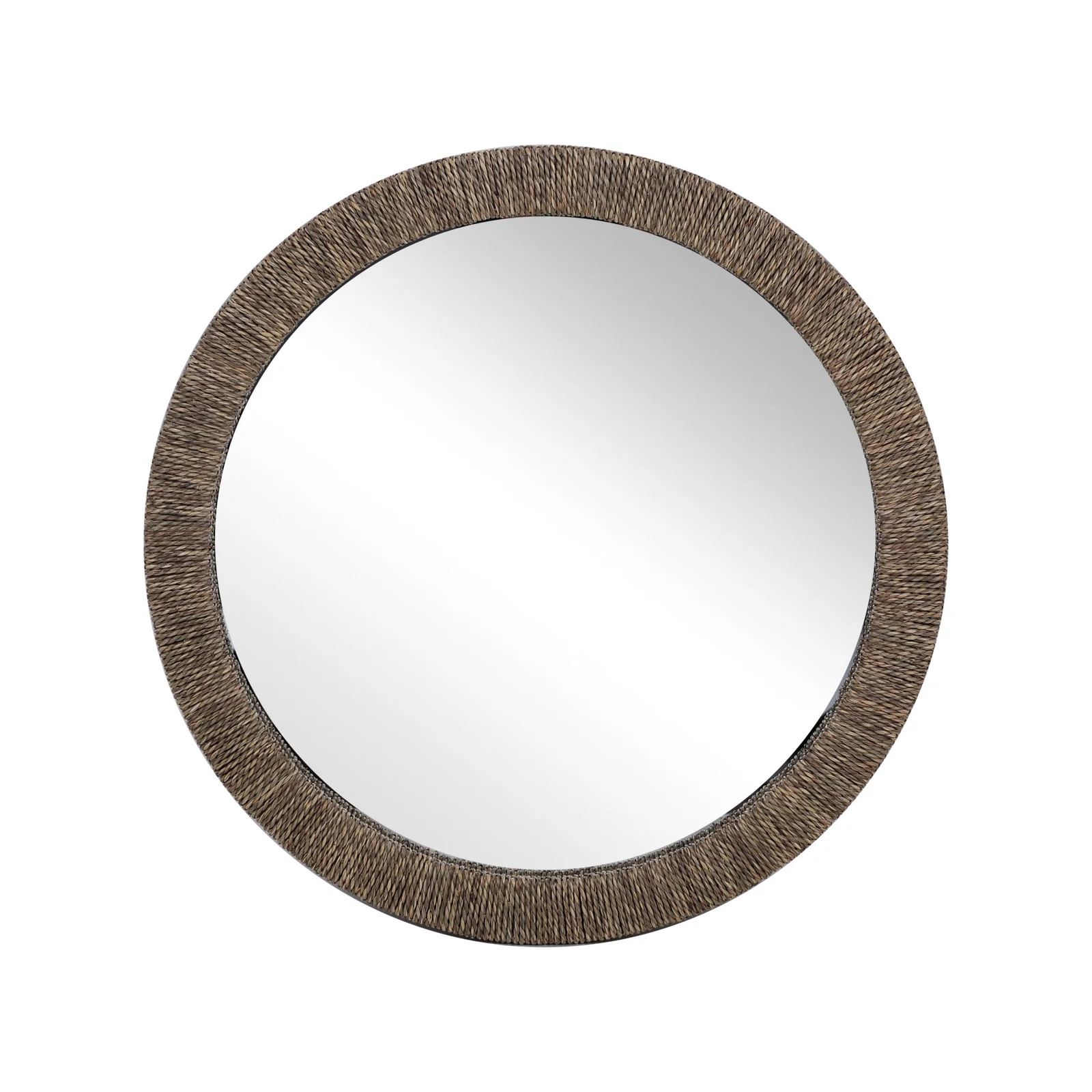
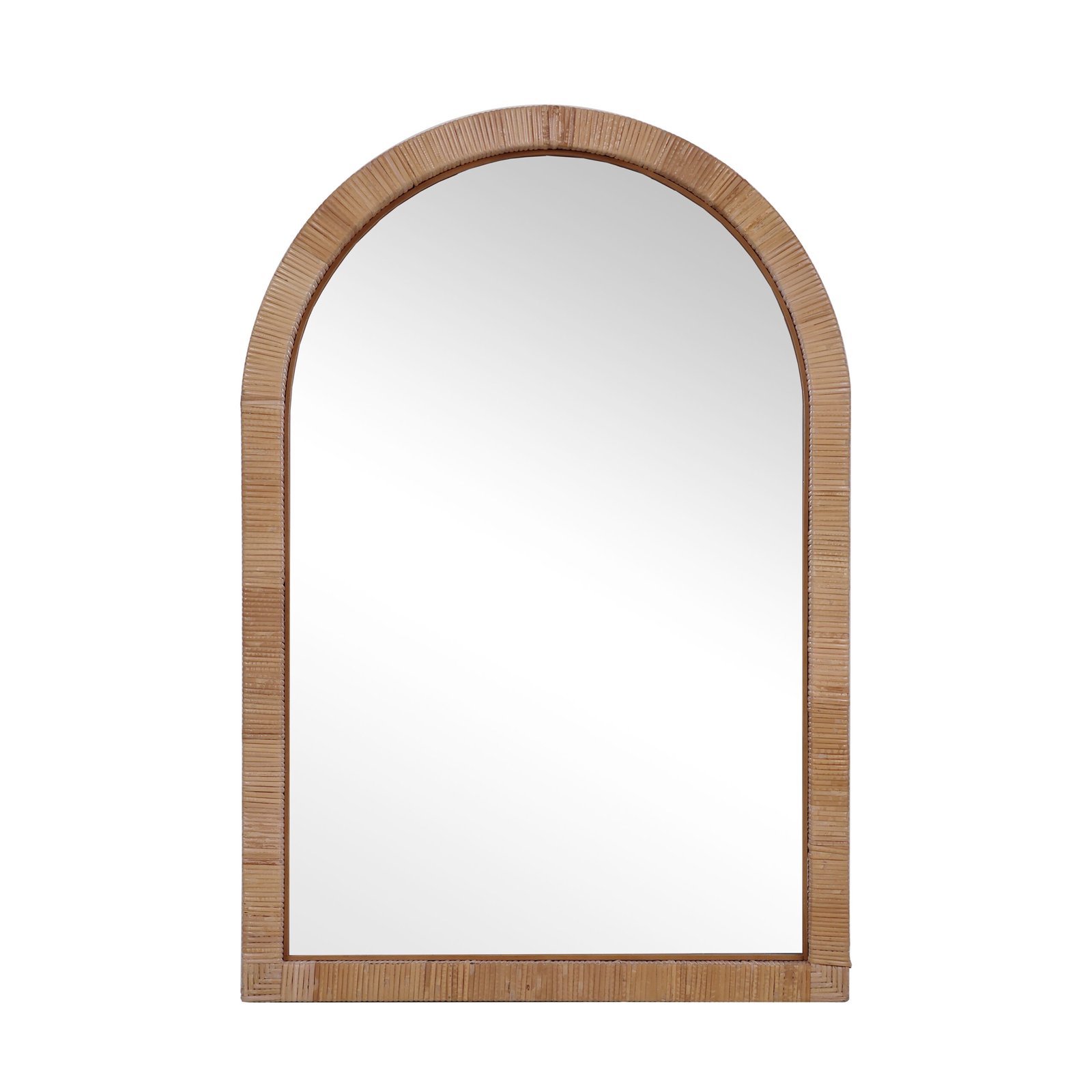
framed decorative wall mirrors
modern black metal wall mirrors
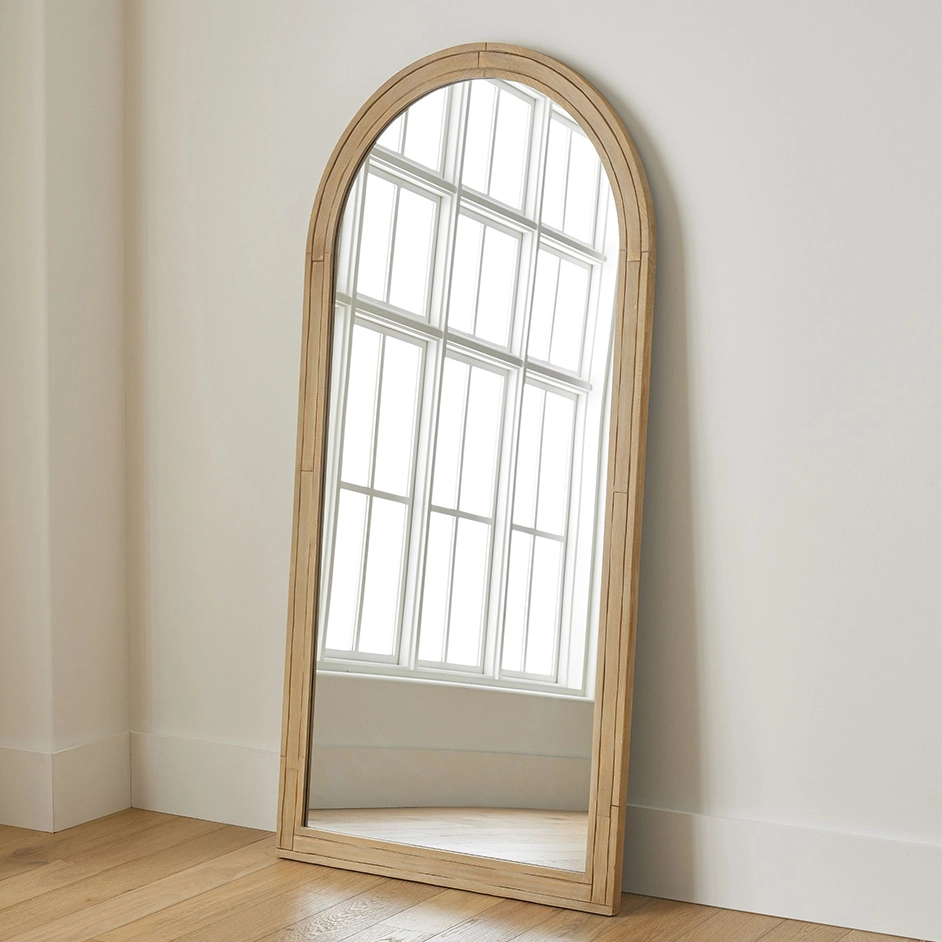
wood-tone wall mirror collections
classic statement mirrors
private label mirror assortments
project-ready wall mirror programs
the commercial question remains the same:
Will this mirror only look good in a quote sheet, or will it work as part of a real business?
The better way to buy wall mirrors wholesale
Buyers often start with product images. That makes sense. Mirrors are visual.
But the better wholesale decision goes deeper.
A stronger buying process asks:
Does this mirror fit the channel?
Does the finish support repeatability?
Does the size support freight efficiency?
Does the packaging protect margin?
Does the assortment have enough structure?
Can the supplier support reorders without quality drift?
These questions are what separate random mirror buying from real wholesale planning.
Because a wholesale program is not successful just because units were purchased.
It is successful when the mirrors arrive well, sell well, fit the assortment well, and can be repeated without chaos.
That is what buyers should really expect from wall mirror wholesale.
Generally speaking, our order requirements are as follows: the minimum order quantity (MOQ) for large items is 50 pieces, for regular items it is 100 pieces, for small items it is 500 pieces, and for very small items (such as ceramic decorations) the MOQ is 1,000 pieces. Orders exceeding $100,000 will receive a 5% discount. The delivery timeline is determined based on the specific order quantity and production schedule. Typically, we are able to complete delivery within two months.




































Leave a Reply