Location:
ChenDianHu Industrial Area, GanZhe Town, Minhou County,
Fuzhou City, Fujian Province, China
teruiermirror
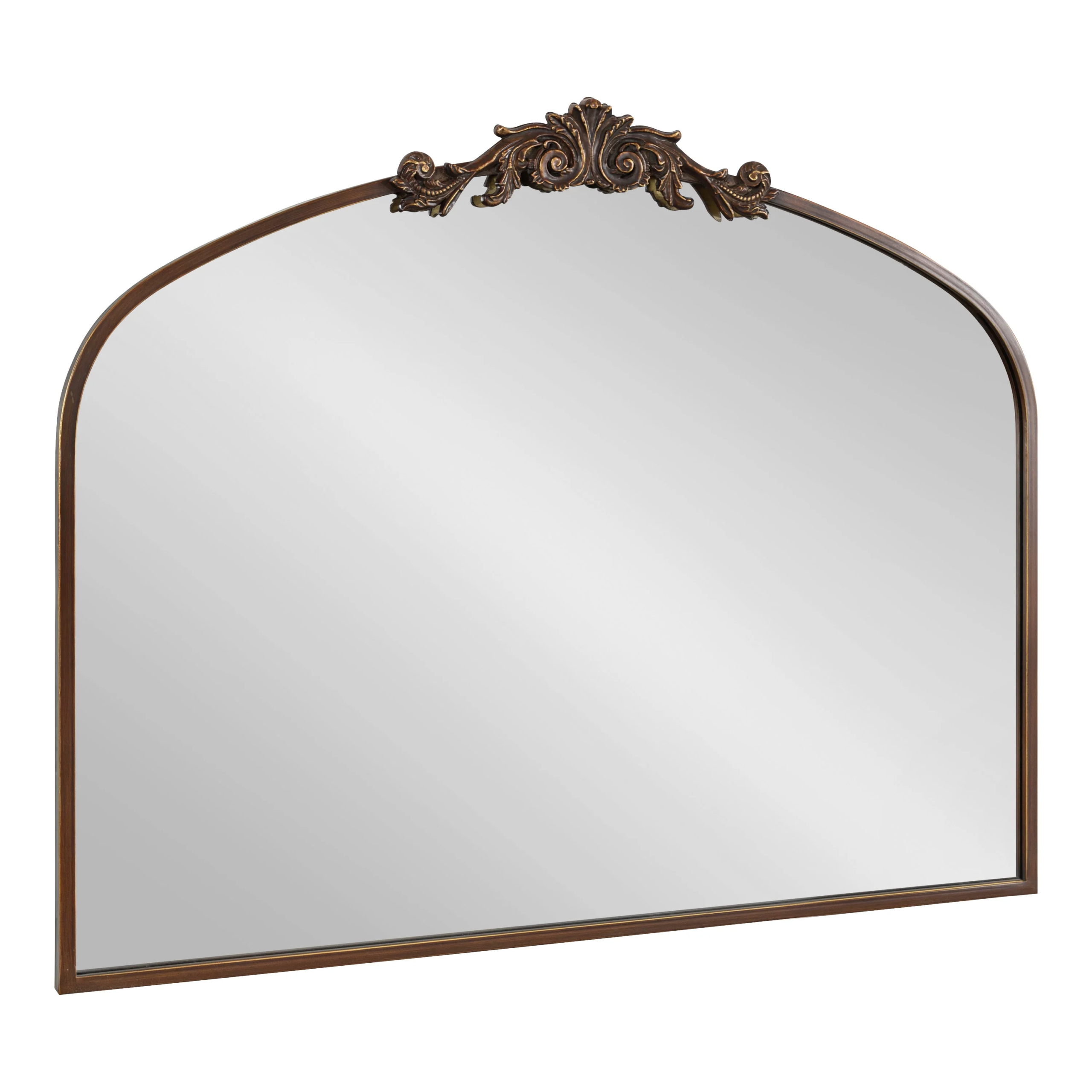
European vintage mirrors
25-08-19 88 view
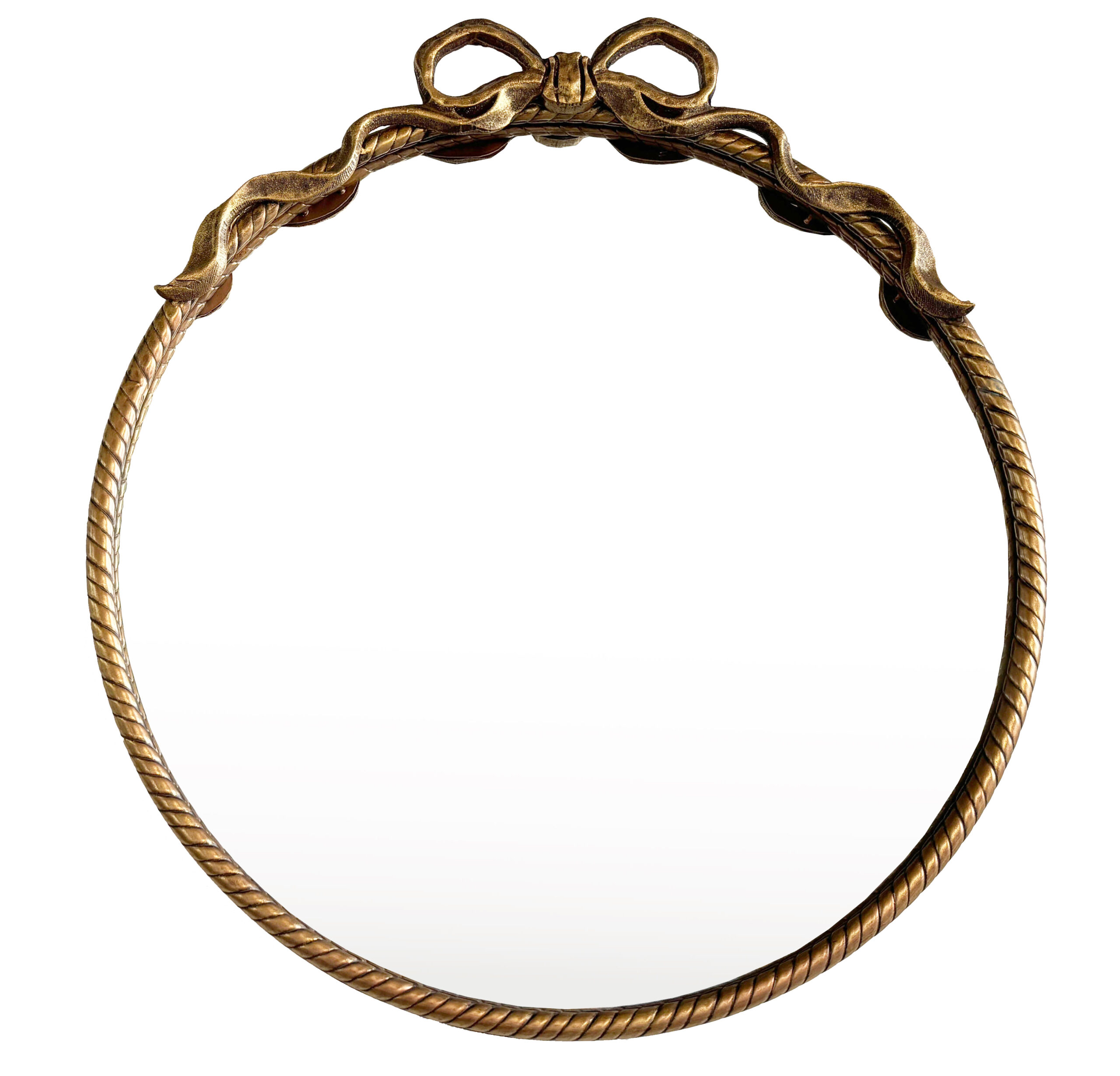
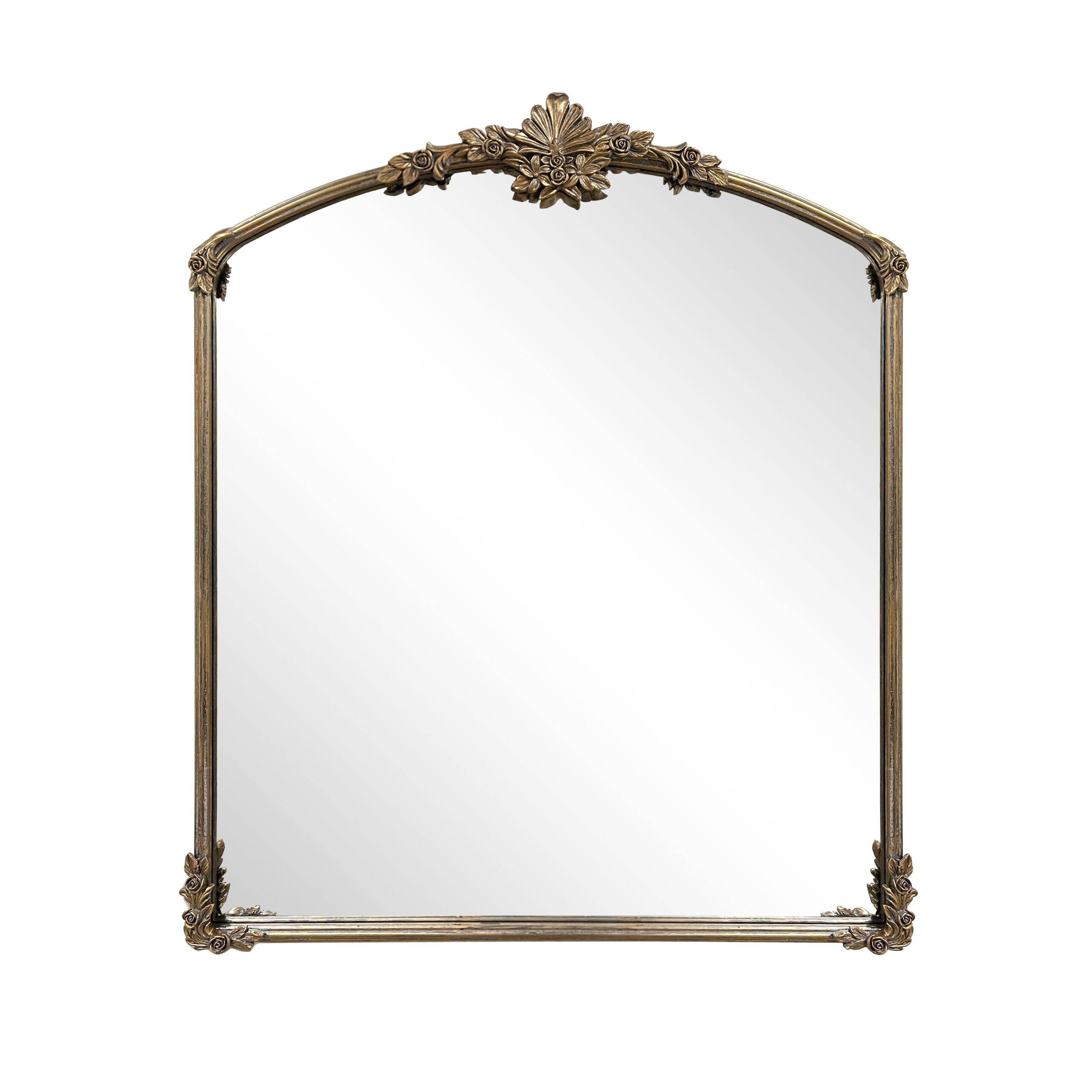
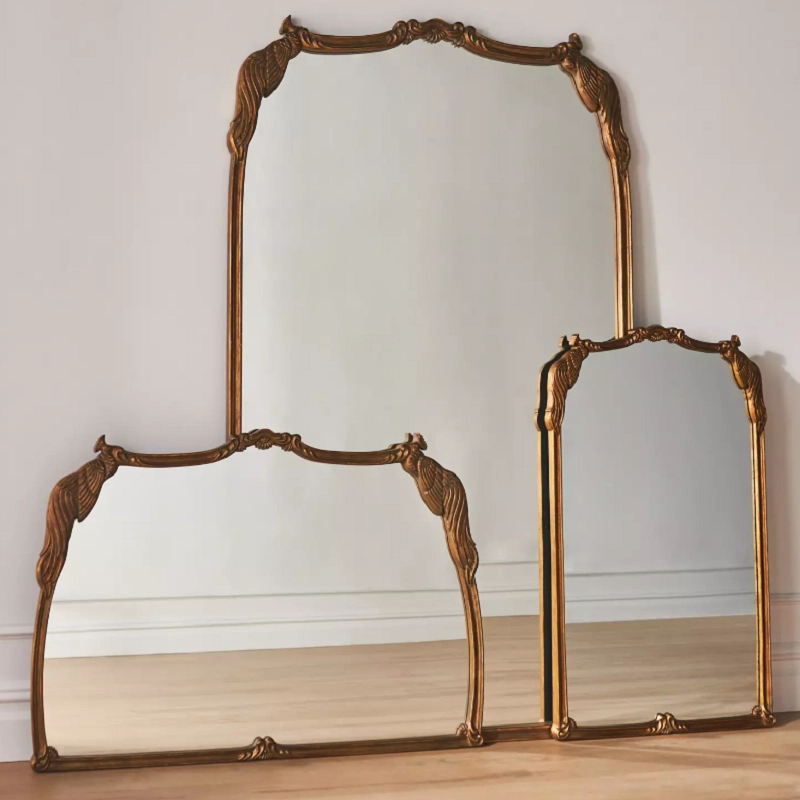
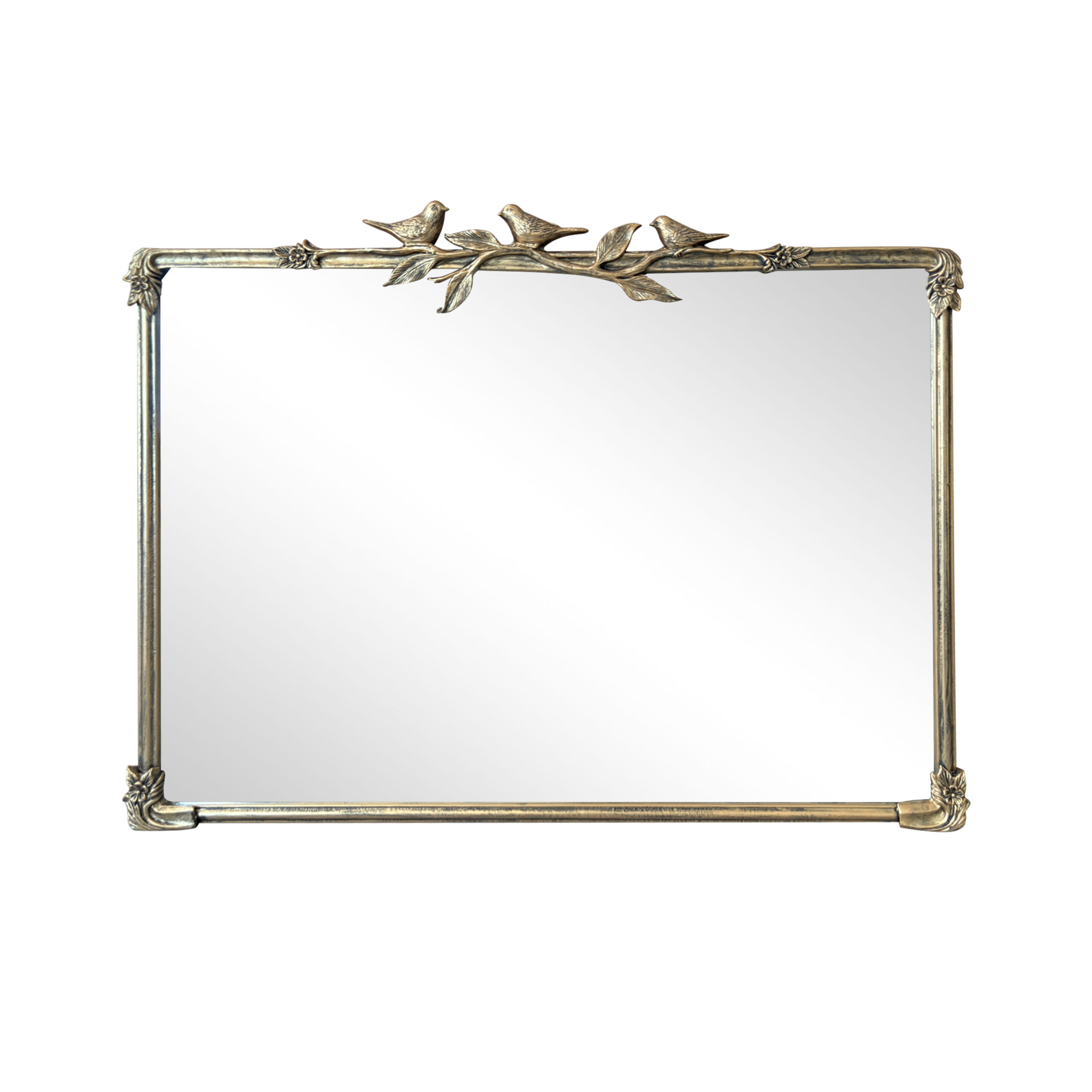
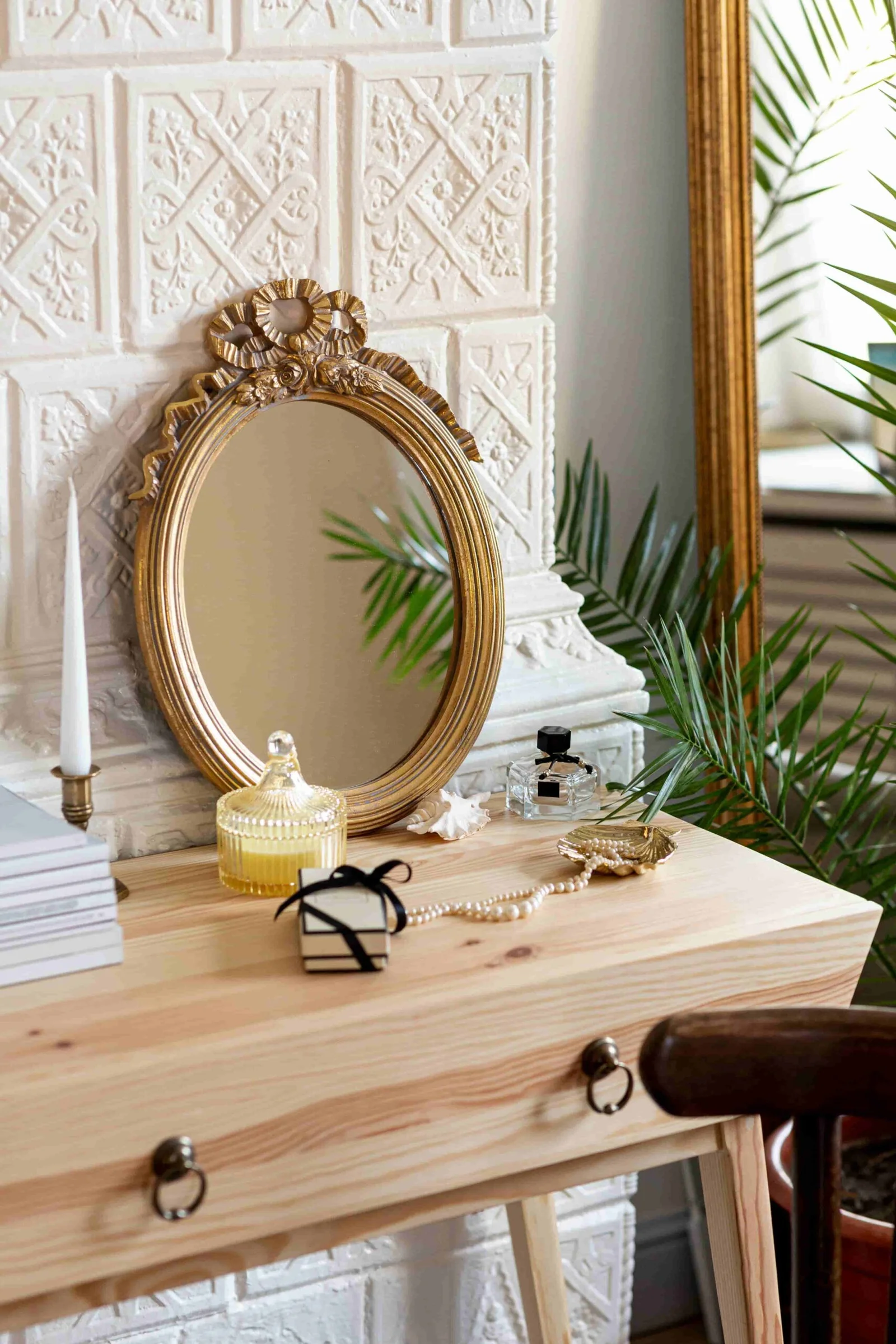
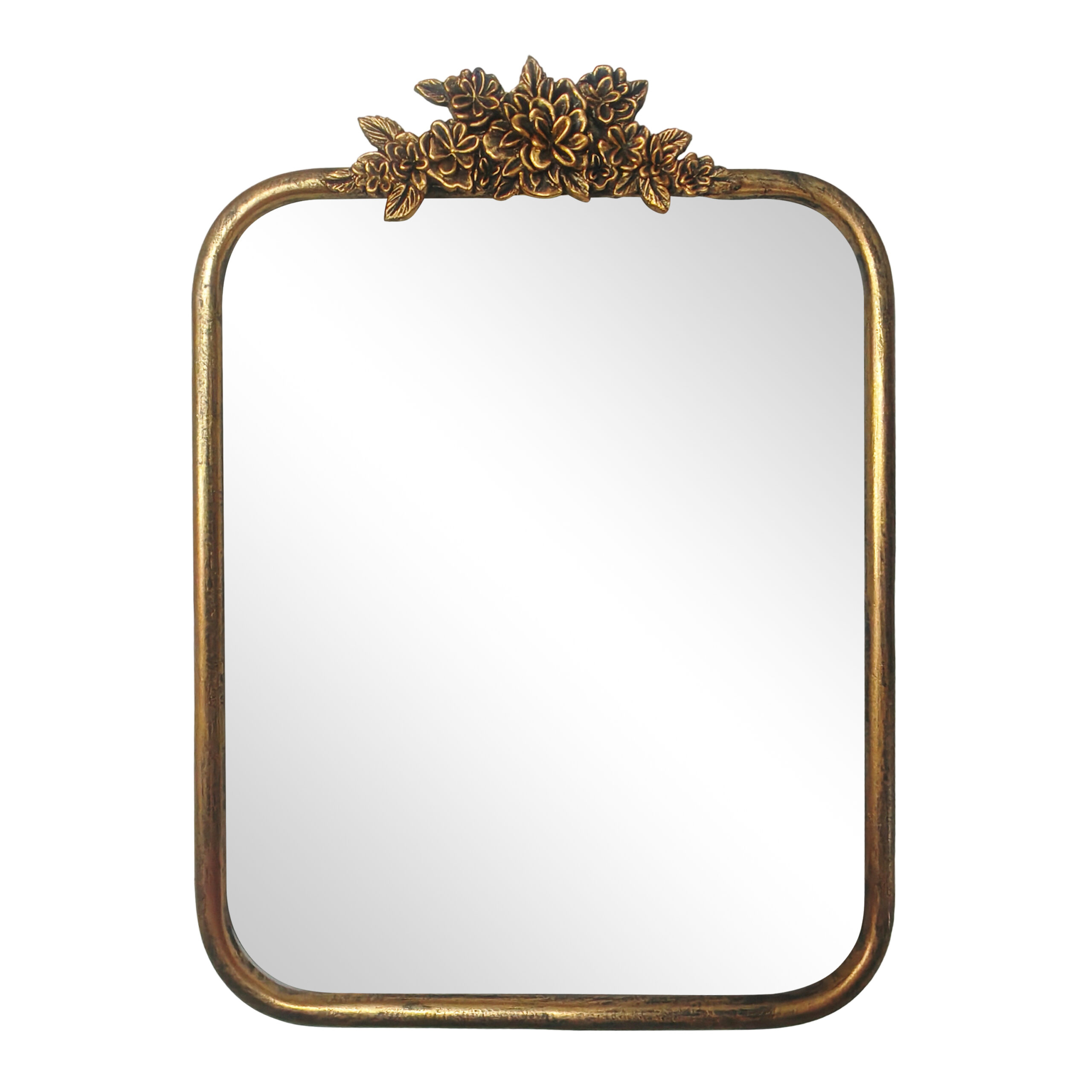
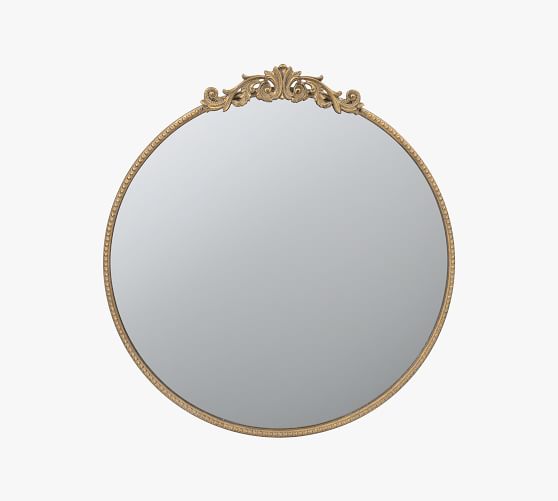
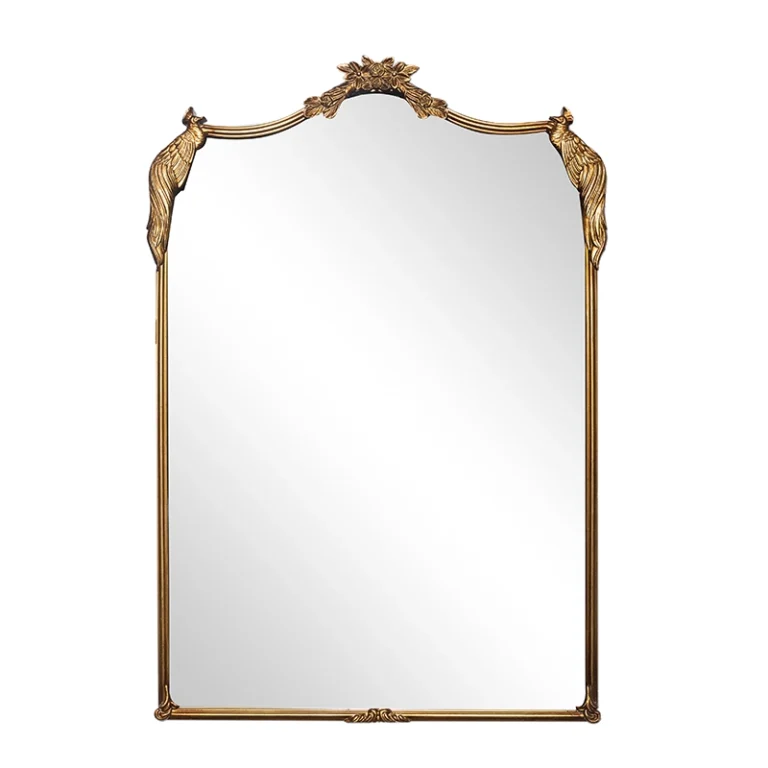
Of course. European vintage mirrors are a vast and fascinating category, encompassing a wide range of styles, periods, and craftsmanship. They are more than just functional objects; they are pieces of art and history that reflect the design sensibilities of their time. Here is a comprehensive guide to European vintage mirrors, broken down by era, style, and key characteristics. A Quick Journey Through the Eras & Styles The style of a mirror is often a direct reflection of the popular furniture and architectural movements of its period. Era (Approx.) Primary Style Key Characteristics 1600s - 1720s Baroque Grand, opulent, dramatic. Heavy gilded wood or silvered frames with intricate carvings (cherubs, foliage, scrolls). Often part of a larger trumeau mirror. 1720s - 1760s Rococo Lighter, more playful than Baroque. Asymmetrical curves, delicate C- and S-scrolls, shell motifs, and naturalistic elements like flowers and vines. Giltwood is common. 1760s - 1780s Neoclassical A reaction against Rococo excess. Symmetry, straight lines, geometric shapes. Motifs from antiquity: urns, lyres, Greek keys, laurel wreaths, columns. 1800 - 1830 Empire Grand, severe, and archaeological. Inspired by Napoleonic Egypt and Rome. Dark woods (mahogany), ormolu (gilded bronze) mounts, eagle, sphinx, and lion motifs. 1830 - 1900 Victorian Eclectic and diverse. Includes early Gothic Revival (pointed arches), Rococo Revival (repeating Rococo curves), and heavy Renaissance Revival with dark wood and carving. 1890 - 1910 Art Nouveau "Whiplash" curves, organic, flowing forms inspired by nature (flowers, vines, insects, female figures). Often in carved wood, silver, or pewter. 1920s - 1930s Art Deco Geometric, streamlined, and modern. Sunbursts, zigzags, chevrons. Materials like chrome, glass, exotic woods (macassar ebony), and bakelite. 1940s - 1960s Mid-Century Modern Functionalism and simplicity. Clean lines, organic shapes, less ornamentation. Teak, rosewood, and minimalist framed mirrors. Deep Dive into Key Styles and Types 1. The Trumeau Mirror Perhaps the most iconic European antique mirror. A trumeau is a French wall mirror with a painted or carved panel above the mirror glass. Originating in the 18th century (Louis XV and XVI periods), they were a central feature of interior design. Look for: A single piece with a carved (often gilded) frame, a clear mirror at the bottom, and a decorated canvas or wooden panel at the top featuring a classical scene, floral still life, or a mythological figure. 2. Baroque & Rococo Mirrors (17th-18th C.) These mirrors were symbols of extreme wealth and status. Baroque: Think Versailles. Massive scale, incredibly heavy, with deep, complex carvings intended to showcase the power and grandeur of the monarchy and church. Rococo: Think boudoirs and salons. Lighter, more graceful, and designed for a more intimate, luxurious setting. The frames are works of art in themselves. 3. Girandole Mirror An English invention popular in the late 18th and early 19th centuries. Look for: A convex, circular…
Of course. European vintage mirrors are a vast and fascinating category, encompassing a wide range of styles, periods, and craftsmanship. They are more than just functional objects; they are pieces of art and history that reflect the design sensibilities of their time.
Here is a comprehensive guide to European vintage mirrors, broken down by era, style, and key characteristics.
A Quick Journey Through the Eras & Styles
The style of a mirror is often a direct reflection of the popular furniture and architectural movements of its period.
Era (Approx.)
Primary Style
Key Characteristics
1600s – 1720s
Baroque
Grand, opulent, dramatic. Heavy gilded wood or silvered frames with intricate carvings (cherubs, foliage, scrolls). Often part of a larger trumeau mirror.
1720s – 1760s
Rococo
Lighter, more playful than Baroque. Asymmetrical curves, delicate C- and S-scrolls, shell motifs, and naturalistic elements like flowers and vines. Giltwood is common.
1760s – 1780s
Neoclassical
A reaction against Rococo excess. Symmetry, straight lines, geometric shapes. Motifs from antiquity: urns, lyres, Greek keys, laurel wreaths, columns.
1800 – 1830
Empire
Grand, severe, and archaeological. Inspired by Napoleonic Egypt and Rome. Dark woods (mahogany), ormolu (gilded bronze) mounts, eagle, sphinx, and lion motifs.
1830 – 1900
Victorian
Eclectic and diverse. Includes early Gothic Revival (pointed arches), Rococo Revival (repeating Rococo curves), and heavy Renaissance Revival with dark wood and carving.
1890 – 1910
Art Nouveau
“Whiplash” curves, organic, flowing forms inspired by nature (flowers, vines, insects, female figures). Often in carved wood, silver, or pewter.
1920s – 1930s
Art Deco
Geometric, streamlined, and modern. Sunbursts, zigzags, chevrons. Materials like chrome, glass, exotic woods (macassar ebony), and bakelite.
1940s – 1960s
Mid-Century Modern
Functionalism and simplicity. Clean lines, organic shapes, less ornamentation. Teak, rosewood, and minimalist framed mirrors.
Deep Dive into Key Styles and Types
1. The Trumeau Mirror
Perhaps the most iconic European antique mirror. A trumeau is a French wall mirror with a painted or carved panel above the mirror glass. Originating in the 18th century (Louis XV and XVI periods), they were a central feature of interior design.
Look for: A single piece with a carved (often gilded) frame, a clear mirror at the bottom, and a decorated canvas or wooden panel at the top featuring a classical scene, floral still life, or a mythological figure.
2. Baroque & Rococo Mirrors (17th-18th C.)
These mirrors were symbols of extreme wealth and status.
Baroque: Think Versailles. Massive scale, incredibly heavy, with deep, complex carvings intended to showcase the power and grandeur of the monarchy and church.
Rococo: Think boudoirs and salons. Lighter, more graceful, and designed for a more intimate, luxurious setting. The frames are works of art in themselves.
3. Girandole Mirror
An English invention popular in the late 18th and early 19th centuries.
Look for: A convex, circular glass (like a bullseye) in a gilded frame, almost always with candle arms (sconces) attached to the sides or bottom. The convex glass distorts the reflection in a fascinating way and reflects more light around a room.
4. Art Nouveau & Art Deco Mirrors
These two styles represent a dramatic shift from historical revivalism.
Art Nouveau: Rejects straight lines. Frames look like they are growing organically. Often made of silvery pewter or beautifully carved wood with motifs like irises, lilies, dragonflies, and female faces with flowing hair.
Art Deco: The epitome of Jazz Age glamour. Sunburst mirrors are the most recognizable, but also look for designs with stepped forms, chevron patterns, and sleek, polished metals like chrome and nickel.
5. Venetian Mirrors
A category of its own, originating from the island of Murano, Venice. Famous for their exquisite craftsmanship since the Renaissance, when Venice was one of the few places that knew the secret of making clear crystal glass.
Look for:Bevelled edges and elaborate glasswork rather than wood carving. Frames are made from the mirror glass itself, decorated with intricate etching, engraving (incisioni), and glass appliqués (fiori) that look like delicate flowers, leaves, and scrolls. They are typically highly ornate and very fragile.
Key Characteristics & What to Look For
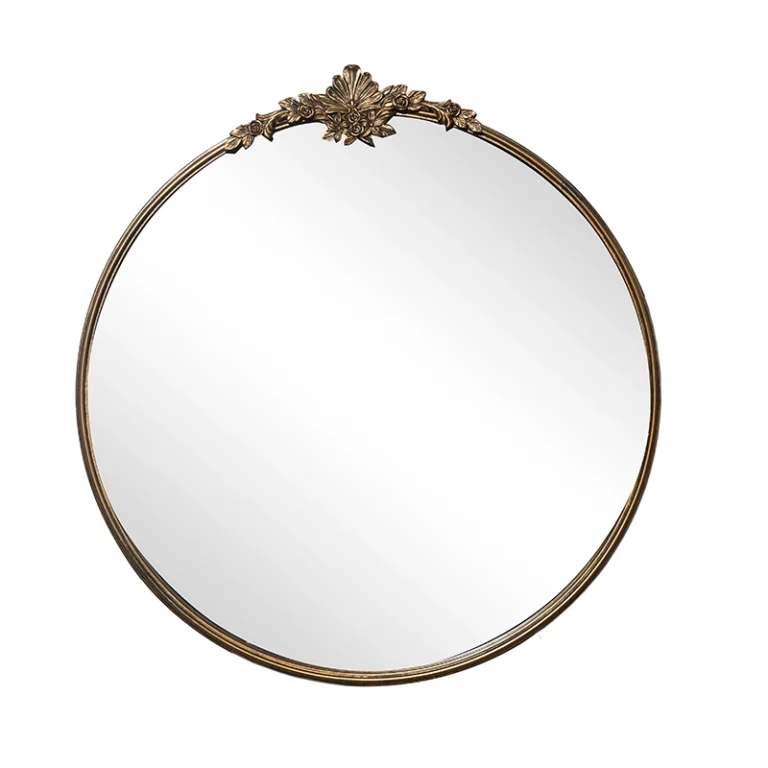
Gilding: Most high-quality antique mirrors are gilded. Look for water gilding (using gold leaf over a gesso base)—this is the highest quality technique and allows for delicate carving. It will have a soft, warm glow. Later, cheaper methods like oil gilding were used.
Glass & Reflection:
Age of the Glass: Original glass, often called “foxed” glass, will have small black spots, a greyish hue, and a wavy, distorted quality. It was hand-blown, so it’s never perfectly flat. This is a key sign of authenticity.
Backing: The reflective backing is usually silver or an amalgam (mercury was used historically, which is why they are called “quicksilver” mirrors). This backing often degrades, leading to a characteristic “crizzled” or black-spotted appearance, especially around the edges. This is desirable and should not be restored.
Bevelling: A slanted edge cut into the glass. On very old mirrors, the bevel is wide and hand-cut, so it may have slight inconsistencies. Modern bevels are narrow and machine-perfect.
Provenance & Marks: It is rare to find a maker’s mark on a very old mirror frame. Sometimes, you might find a paper label or a stamp on the back from a retailer or later restorer.
Buying Tips & Considerations
Condition vs. Restoration: Understand the difference. Natural aging of the glass and patina on the gilding is good. Structural breaks, replaced carving, or a completely re-silvered mirror significantly affect value. A sensitive restoration that stabilizes the piece is fine; a complete overhaul is not.
Bewush of Reproductions: Many beautiful mirrors are made today in historical styles. They are not “fake” if sold as such, but know what you’re buying. Look for the tell-tale signs of age in the glass and the back.
Hang it Securely: These mirrors are often incredibly heavy. Use a proper heavy-duty picture wire or D-rings and secure them to a wall stud or with robust wall anchors. The last thing you want is a priceless antique on the floor.
Placement: A large, ornate Baroque or Trumeau mirror needs a room with high ceilings to balance its scale. A girandole or convex mirror is perfect for a hallway or above a fireplace. Art Deco sunbursts make a stunning statement in a modern setting.
Whether you’re drawn to the opulent drama of a Baroque masterpiece or the sleek geometry of an Art Deco sunburst, a European vintage mirror adds a layer of history, artistry, and light to any space.
A Mirror Can Look Beautiful in Photos and Still Fail in Shipment: The QC Checkpoints Buyers Should Review Before Approval 2026-04-02
A mirror can look perfect in a product photo and still become a problem the moment it reaches the warehouse.
That is the mistake many buyers make.
They approve the style. They approve the finish. They approve the sample photo. But they do not approve the product as a repeatable shipment-ready item.
For decorative wall mirrors, floor mirrors, and full-length mirrors, the real question is not only whether the mirror looks attractive. The real question is whether it can survive production, packing, transport, unloading, and final display without creating complaints, replacements, or margin loss.
That is why mirror sourcing should always include clear mirror QC checkpoints.
Why mirror quality control matters more in traditional mirrors
With traditional mirrors, buyers are not only buying reflection. They are buying finish quality, structural consistency, and visual trust.
A small defect in a metal frame corner can lower the entire product grade. A slight wave in the mirror surface can make a full-length mirror feel cheap. A weak hanging bracket can turn a decorative wall mirror into a liability. A poor carton structure can destroy a floor mirror before it even reaches the customer.
In other words, traditional mirrors are highly visual products—but they fail through execution.
That is exactly why a proper mirror inspection checklist matters.
1. Start with the mirror surface, not the styling
The first checkpoint is the reflection itself.
Before discussing frame color, shape trend, or decorative details, buyers should inspect the glass surface carefully.
Look for:
reflection distortion
scratches
pinholes
black edge risk
cloudy spots
inconsistent mirror backing
visible defects near the perimeter
This is especially important in full-length mirror QC, because customers notice body distortion immediately. A mirror may still look “acceptable” on a warehouse floor, but once it is used in a bedroom, fitting room, or retail display, distortion becomes obvious.
If the reflection does not feel stable, the mirror is not ready.
2. Check frame construction as a value signal
In traditional mirrors, the frame is not a secondary part. It is often the reason the buyer chose the item in the first place.
For metal-framed mirrors, inspect:
corner welding
joint alignment
coating consistency
brushed finish direction
surface scratches
plating uniformity
For wood-framed mirrors, inspect:
color consistency
veneer matching
corner joining quality
paint coverage
rough sanding marks
edge smoothness
This is where a strong wall mirror quality control process becomes important.
A wall mirror is often judged from distance first and up close second. If the frame looks good from afar but feels rough, uneven, or poorly aligned when handled, the buyer loses confidence immediately.
3. Hanging hardware is part of product quality
A mirror is not finished when the front side looks good.
The back side decides whether it can actually be sold safely.
Every decorative mirror inspection checklist should include:
D-ring placement
hook alignment
screw fixing
backboard attachment
support strength
horizontal/vertical hanging readiness
stability under actual weight
For heavy decorative wall mirrors, buyers should also confirm whether hardware positioning matches the center of gravity. A mirror that hangs unevenly or feels insecure will create installation complaints very quickly.
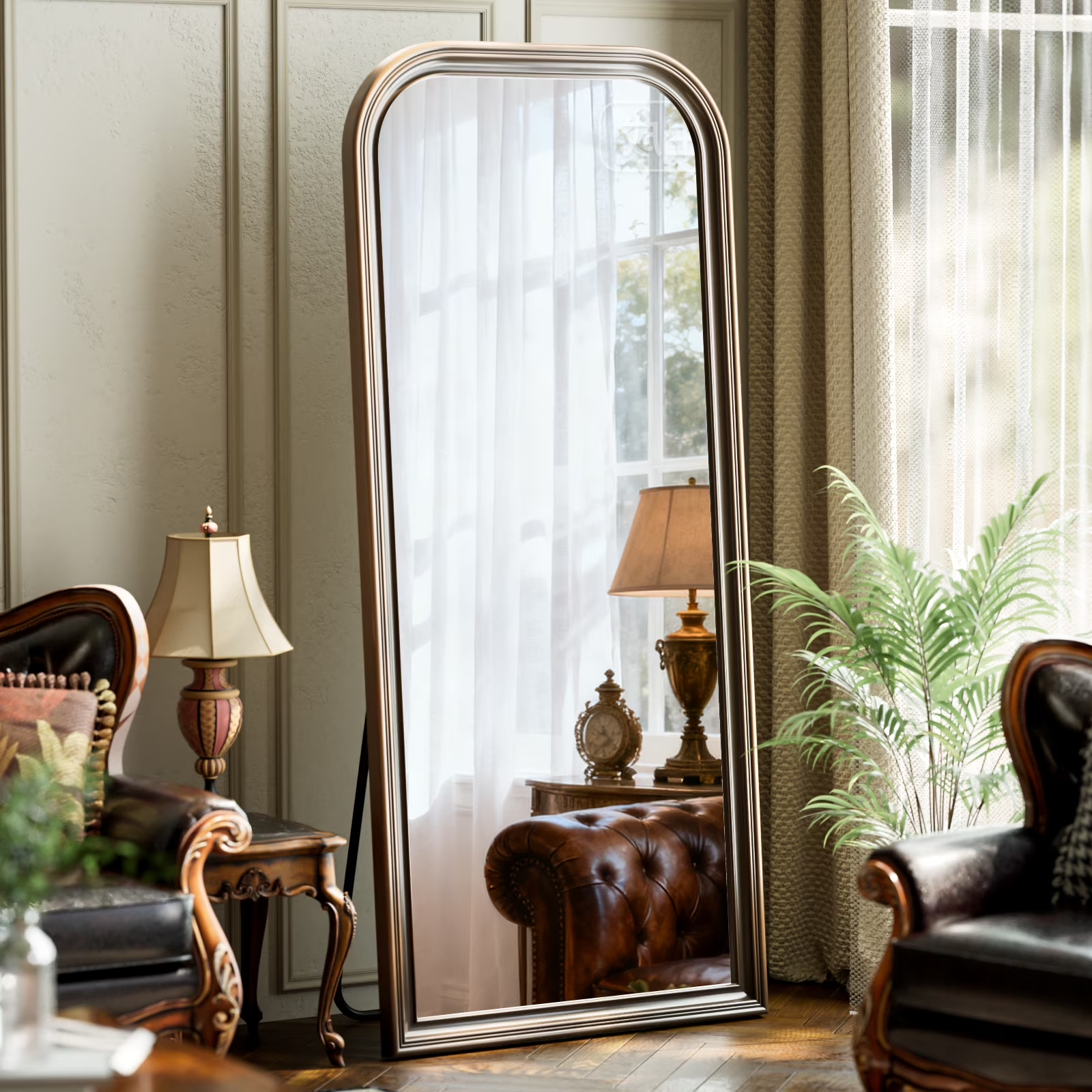
For floor mirrors and leaning mirrors, inspect the support leg, opening angle, hinge stability, and anti-tip logic. These are not small details. They directly affect retail usability and return risk.
4. Batch consistency matters more than sample beauty
A good sample proves possibility. A good batch proves capability.
This is where many suppliers break down.
The approved sample may look excellent, but the batch may show:
inconsistent frame tone
different gold or black finish shades
uneven bevel effect
changing mirror brightness
different corner craftsmanship
unstable packaging method
So before shipment approval, buyers should compare production against the approved sample in a structured way.
That is what real mirror QC checkpoints are for.
5. Packaging should be inspected as seriously as the mirror itself
For mirrors, packaging is not an afterthought. It is product protection.
This is especially true for large wall mirrors and floor mirrors. A good mirror can still arrive broken if the packaging system is weak.
A practical floor mirror packaging inspection should include:
corner protection strength
front and back panel protection
carton wall strength
internal movement control
shock absorption materials
carton fit to product size
clear handling and orientation marks
For large-format mirrors, the packaging should never feel generic. If the carton design looks like a standard box applied to a fragile oversized item, the buyer should assume avoidable risk exists.
6. Dimensional control should be part of QC
The mirror may be stylish, but if the dimensions drift, the product loses commercial value.
Check:
total height and width
frame width consistency
thickness stability
diagonal balance
arch or curve symmetry
pair matching for set items
This is often ignored in basic inspections, yet it is one of the easiest ways to detect whether a factory is controlling production well or simply assembling attractive samples.
7. A good buyer asks quality questions before shipment
Before approving mirror production for shipment, buyers should ask:
Has reflection distortion been visually checked?
Are all frame corners aligned consistently?
Does the finish match the approved sample batch-wide?
Has the hanging hardware been tested?
Has the packaging been adjusted for this mirror size?
Are pre-shipment photos available for front, side, back, and packed condition?
What defects are considered rejectable?
How will consistency be controlled in reorders?
These questions do not make the buying process slower.
They make it safer.
8. What strong mirror QC says about a supplier
A supplier that only shows design understands selling.
A supplier that shows process understands repeat business.
That is the difference buyers should care about.
At Teruier, we believe traditional mirrors should be managed not just as décor products, but as deliverable products. A mirror must not only look right in a collection. It must also arrive right, hang right, and reorder right.
Because for buyers, the shipment is not successful when the mirror looks beautiful in a brochure.
The shipment is successful when the mirror arrives with confidence built in.
Generally speaking, our order requirements are as follows: the minimum order quantity (MOQ) for large items is 50 pieces, for regular items it is 100 pieces, for small items it is 500 pieces, and for very small items (such as ceramic decorations) the MOQ is 1,000 pieces. Orders exceeding $100,000 will receive a 5% discount. The delivery timeline is determined based on the specific order quantity and production schedule. Typically, we are able to complete delivery within two months.















Leave a Reply