Location:
ChenDianHu Industrial Area, GanZhe Town, Minhou County,
Fuzhou City, Fujian Province, China
teruiermirror
Not Every Mirror Should Stay on the Wall All Year
26-04-28 2 view
Not Every Mirror Should Stay on the Wall All Year A lot of stores mix up “good-looking” with “good year-round” This is one of the quiet reasons a mirror section gets messy over time. A store brings in a mirror because it looks current, photographs well, or gives the wall a little excitement. That part is easy to understand. The problem starts later, when the store never decides what role that mirror is supposed to play. So everything gets treated the same way. The steady sellers stay mixed in with the experimental pieces.The seasonal styles sit too long.The core assortment loses definition.The wall starts feeling active, but not clear. For a community home store, that is a problem. Because a good mirror category is not built only on taste. It is built on role. Some mirrors are supposed to stay. Some are supposed to refresh the floor for a season, a mood, or a selling window. If the store does not separate those jobs, the category gets harder to buy, harder to replenish, and harder to grow. The real question is not “Is this mirror nice?” The real question is: Should this mirror live here all year, or should it create energy for a limited moment? That is the decision that sharpens the category. A core mirror and a seasonal mirror can both be good products. But they do different business work. A core mirror should: sell across longer periods support repeat reorders fit a wide range of homes stay useful when trends shift help stabilize the category A seasonal mirror should: wake up the display add freshness or personality create new conversation on the floor support a seasonal mood or styling story give repeat customers something different to notice Once a store understands that difference, mirror buying gets much smarter. Core mirrors are not boring mirrors. They are dependable mirrors. This matters, because many retailers hear “core assortment” and imagine something flat, generic, or visually weak. That is not the point. A core mirror is not there because it is boring. It is there because it works again and again. A strong core mirror usually has: clear home placement easy scale broad style compatibility reasonable price logic low explanation burden stable reorder potential These mirrors often become the quiet backbone of the category. They may not always be the loudest pieces on the wall, but they carry the most business weight. What usually belongs in the core mirror assortment Entryway-friendly wall mirrors These are some of the safest year-round mirrors in community retail. Customers understand them quickly, they work in many homes, and they pair well with consoles, trays, lamps, and vases. Medium wall mirrors with broad placement logic…
A lot of stores mix up “good-looking” with “good year-round”
This is one of the quiet reasons a mirror section gets messy over time.
A store brings in a mirror because it looks current, photographs well, or gives the wall a little excitement. That part is easy to understand. The problem starts later, when the store never decides what role that mirror is supposed to play.
So everything gets treated the same way.
The steady sellers stay mixed in with the experimental pieces. The seasonal styles sit too long. The core assortment loses definition. The wall starts feeling active, but not clear.
For a community home store, that is a problem.
Because a good mirror category is not built only on taste. It is built on role. Some mirrors are supposed to stay. Some are supposed to refresh the floor for a season, a mood, or a selling window. If the store does not separate those jobs, the category gets harder to buy, harder to replenish, and harder to grow.
The real question is not “Is this mirror nice?”
The real question is: Should this mirror live here all year, or should it create energy for a limited moment?
That is the decision that sharpens the category.
A core mirror and a seasonal mirror can both be good products. But they do different business work.
A core mirror should:
sell across longer periods
support repeat reorders
fit a wide range of homes
stay useful when trends shift
help stabilize the category
A seasonal mirror should:
wake up the display
add freshness or personality
create new conversation on the floor
support a seasonal mood or styling story
give repeat customers something different to notice
Once a store understands that difference, mirror buying gets much smarter.
Core mirrors are not boring mirrors. They are dependable mirrors.
This matters, because many retailers hear “core assortment” and imagine something flat, generic, or visually weak.
That is not the point.
A core mirror is not there because it is boring. It is there because it works again and again.
A strong core mirror usually has:
clear home placement
easy scale
broad style compatibility
reasonable price logic
low explanation burden
stable reorder potential
These mirrors often become the quiet backbone of the category. They may not always be the loudest pieces on the wall, but they carry the most business weight.
What usually belongs in the core mirror assortment
Entryway-friendly wall mirrors
These are some of the safest year-round mirrors in community retail. Customers understand them quickly, they work in many homes, and they pair well with consoles, trays, lamps, and vases.
Medium wall mirrors with broad placement logic
A mirror that fits over a console, chest, vanity, or smaller living room surface usually has better long-term retail value than a mirror that works only in one narrow situation.
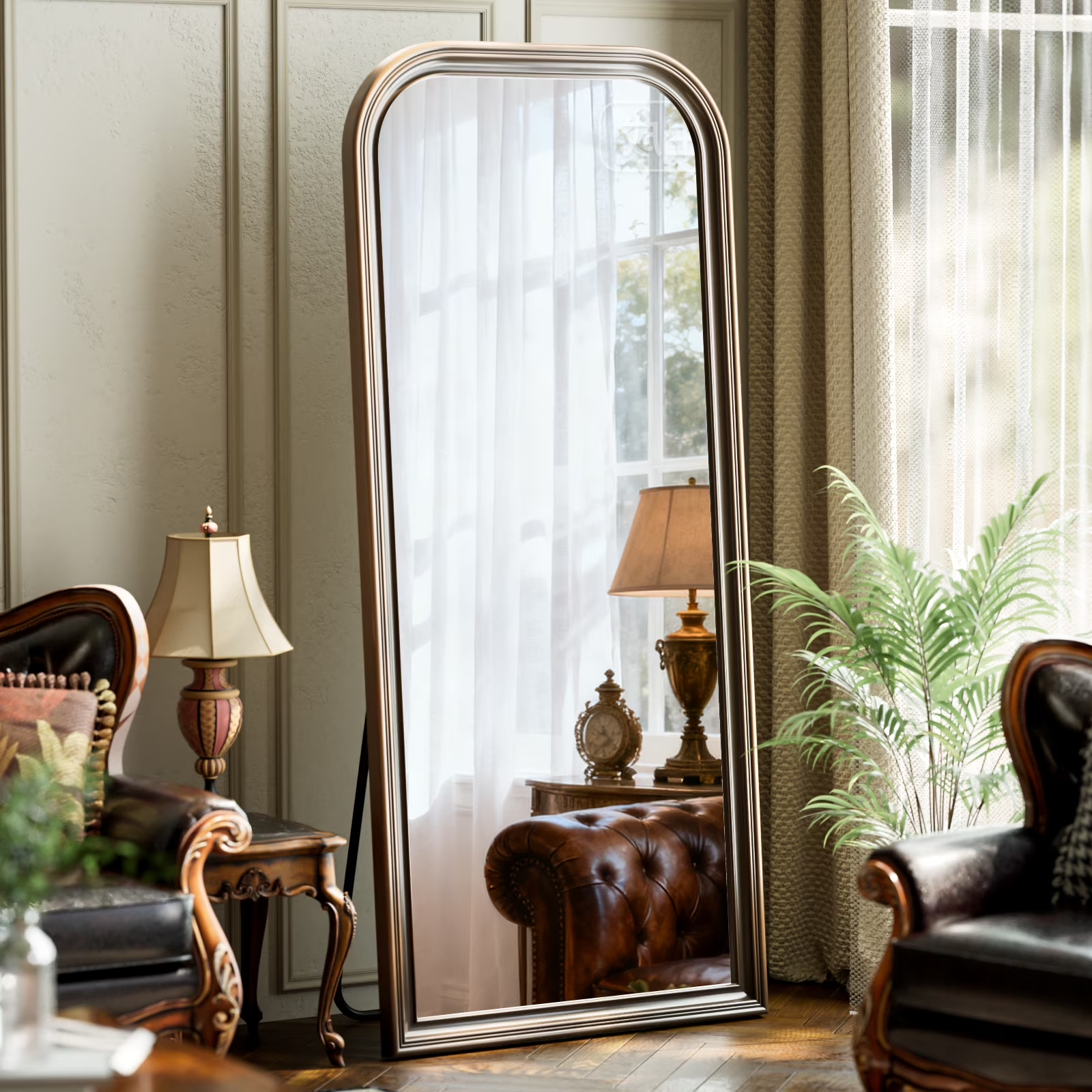
Full-length mirrors with manageable proportions
Not every big mirror should be core. But approachable full-length mirrors with clean lines and practical styling often belong in the year-round assortment because they serve a stable home need.
Clean silhouettes
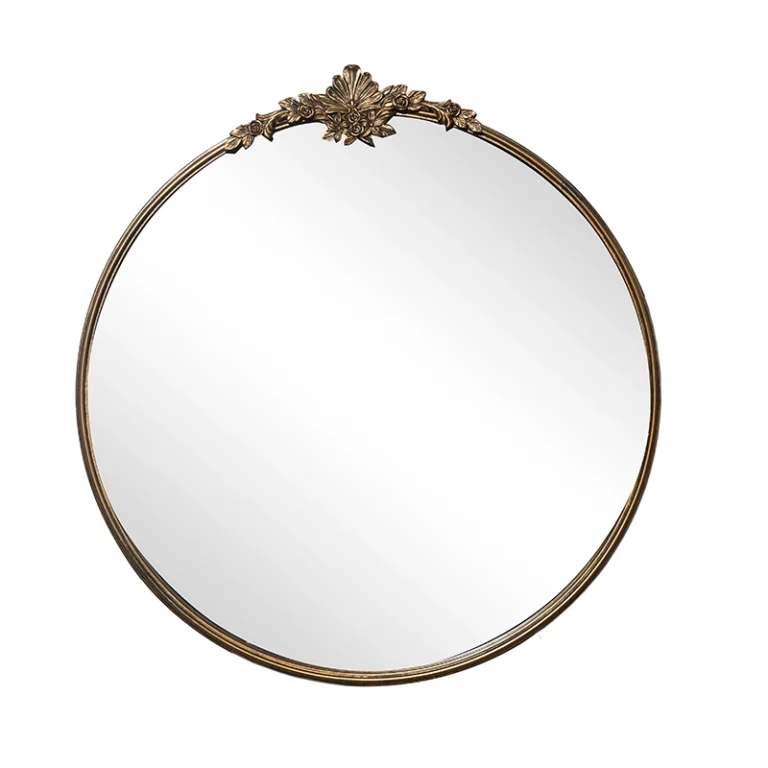
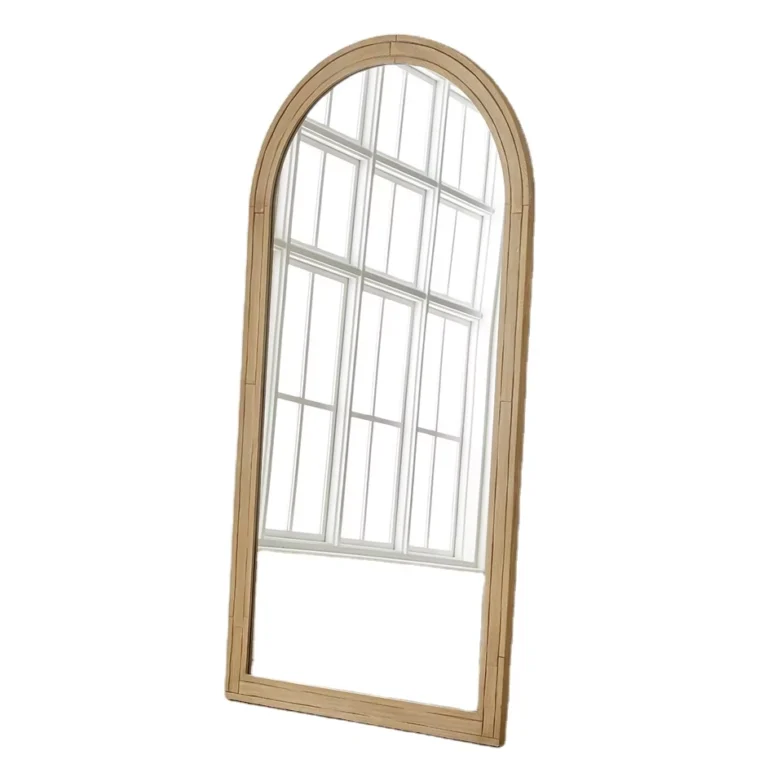
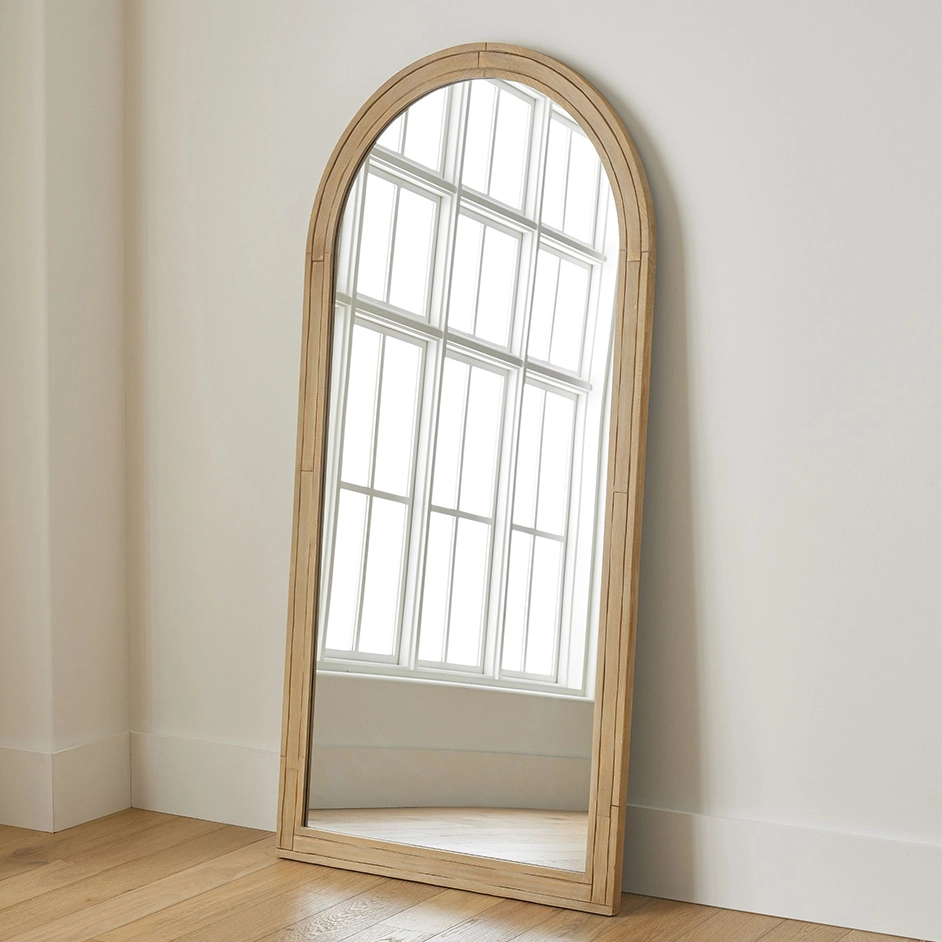
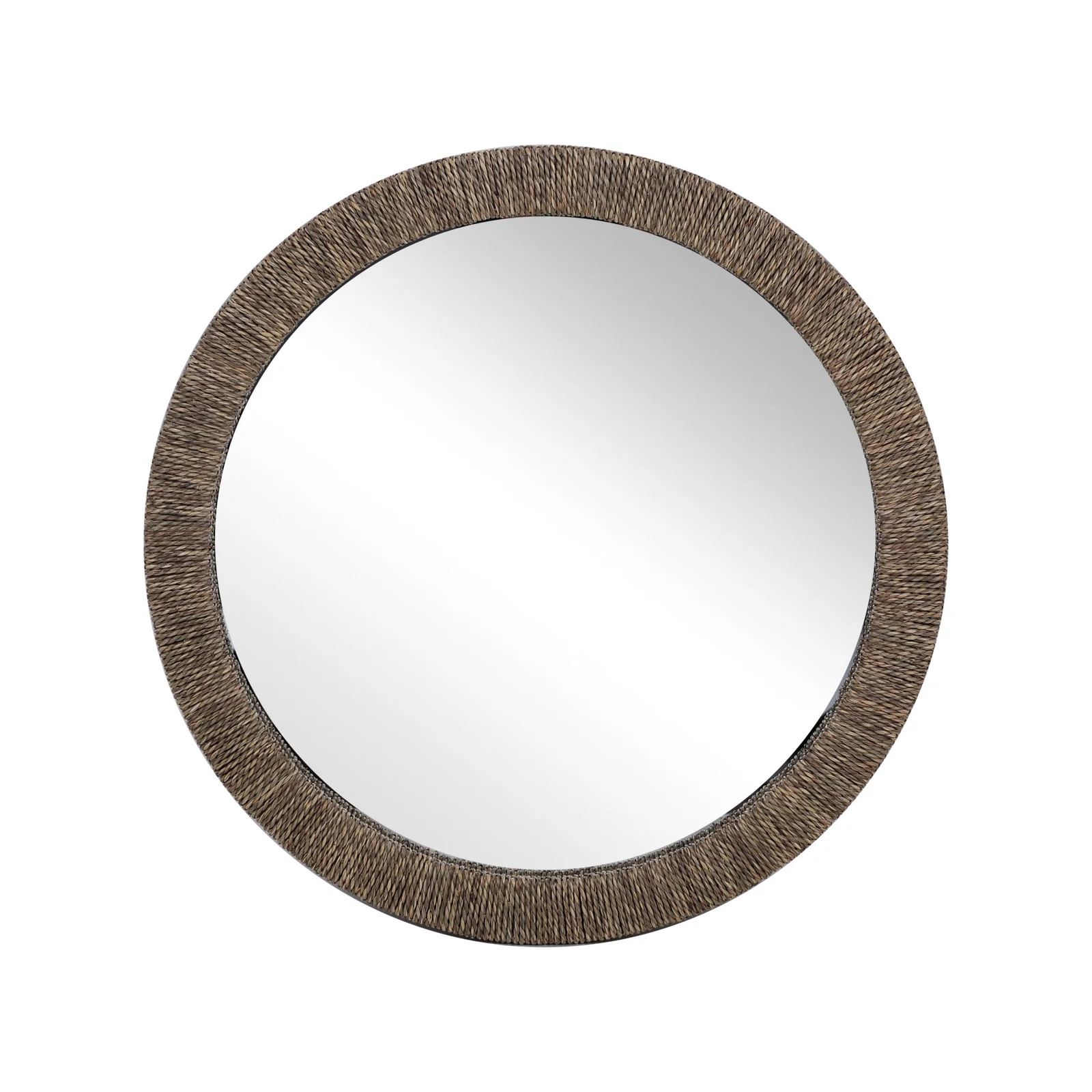
Arches, round mirrors, rounded rectangles, and simple vertical formats often work better as core pieces because customers can understand them fast and live with them longer.
Familiar, flexible finishes
Black, warm wood, and soft brushed gold usually perform well as core finishes because they cross more home styles without demanding too much explanation.
What usually belongs in the seasonal mirror assortment
Seasonal mirrors are not weak mirrors. They are just less universal.
They often work because they create a stronger mood, a sharper trend note, or a more time-specific styling message.
More trend-led shapes
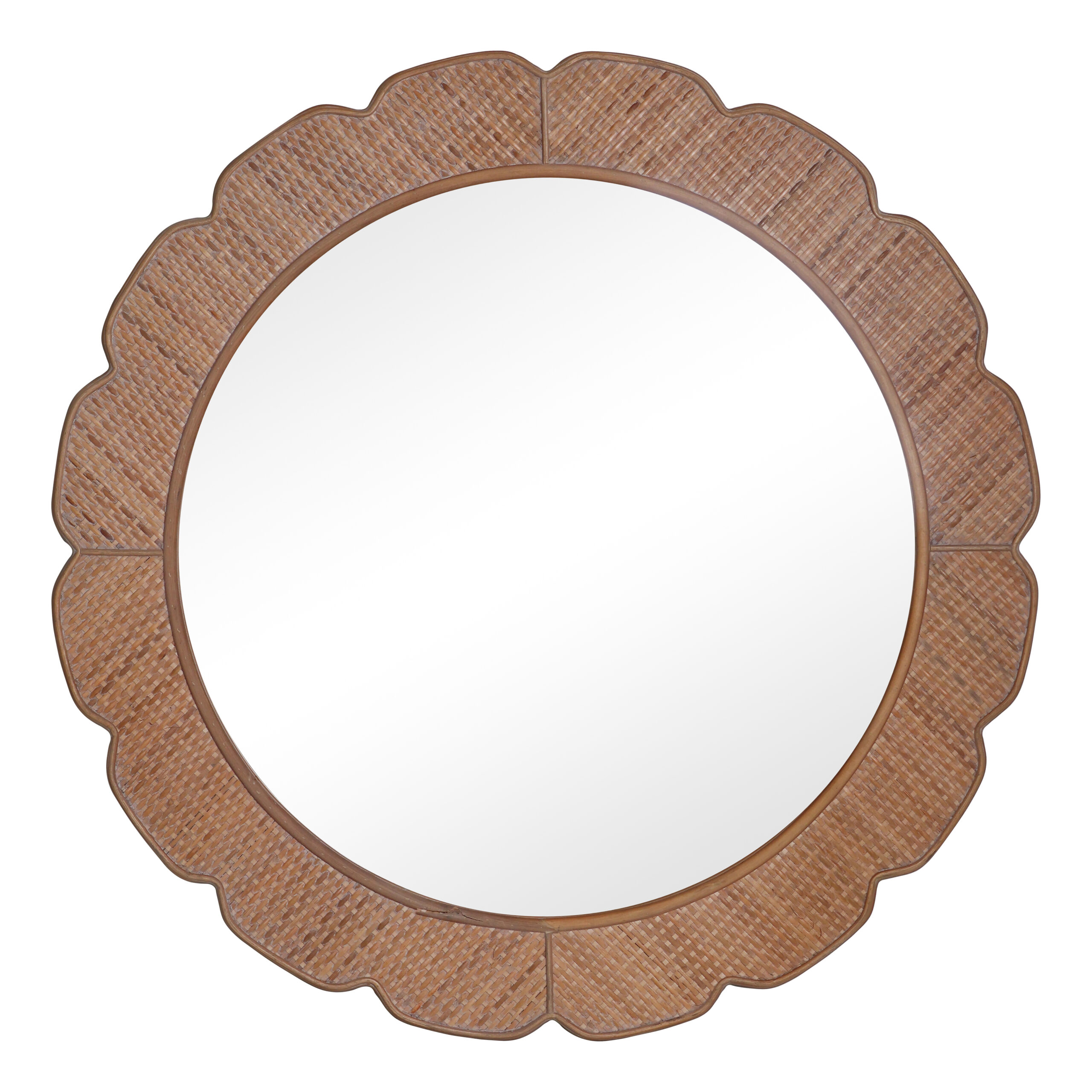
Unusual curves, novelty silhouettes, decorative outlines, and mirrors with a stronger “look at me” effect often work better as seasonal or limited-focus pieces.
Mirrors tied to a stronger decorative mood
Some mirrors are better when they support a particular seasonal story. A softer spring look, a warmer autumn layer, a brighter summer refresh, or a fuller winter styling moment.
More expressive frame treatments
Distinct textures, heavier visual finishes, more decorative frame detailing, or mirrors that depend on a stronger styling environment often belong outside the core set.
Traffic mirrors
Some mirrors are there to wake up the wall, not to become long-term reorder winners. They are useful. They create pull. But they are not always built for stable all-year placement.
Why community home stores need both
A store with only core mirrors can become too quiet.
A store with only seasonal mirrors can become too unstable.
That is why the strongest category usually combines:
a dependable core
a controlled layer of seasonal freshness
The core protects the business. The seasonal layer protects attention.
That balance matters because neighborhood retail depends on both.
Regular customers need a reason to notice change. The store also needs a reason to trust its own replenishment decisions.
If every mirror is treated like a seasonless basic, the wall can feel stale. If every mirror is treated like a fresh trend piece, the wall can lose commercial clarity.
How to tell whether a mirror is truly core
A mirror usually deserves core status when several things are true at once:
customers understand where it goes quickly
the size feels safe for real homes
the finish works across different room styles
it sells without needing heavy styling support
staff can explain it in one sentence
it can be reordered without fear
it still makes sense even when the season changes
That last point matters a lot.
A real core mirror still works when the store updates the surrounding accessories, changes the front scene, or resets a room story. It keeps its usefulness even when the mood around it shifts.
How to tell whether a mirror is seasonal
A mirror is often better treated as seasonal when it depends on one or more of these conditions:
it looks strongest only in a specific styling setup
it creates attention, but not broad placement confidence
the shape is more trend-forward than room-flexible
customers admire it more than they understand it
it helps freshen the wall, but is harder to picture year-round
it makes more sense as a limited mood piece than as a stable reorder piece
That does not make it a bad buy. It just means the store should give it the right role.
A seasonal mirror should not be judged by the same standard as a core mirror. Its job is different.
The biggest mistake is letting seasonal mirrors quietly become dead stock
This happens when the store buys a mirror for freshness, but never gives it an exit logic.
It arrives as a “new look.” It gets featured for a while. Then the season shifts. The styling changes. The mirror stays. Now it no longer feels exciting, but it was never built to be core either.
That is how seasonal energy turns into shelf drag.
A community home store should always know:
which mirrors are staying
which mirrors are rotating
which mirrors are proving they deserve longer life
which mirrors were useful for a season and should now make room for something else
That is how the category stays clean.
Some seasonal mirrors can earn their way into the core
This is important.
The line between core and seasonal is not fixed forever.
Sometimes a mirror comes in as a freshness piece and then proves something stronger:
customers place it more easily than expected
staff sell it without much effort
it works across more than one room story
it keeps selling after the “newness” wears off
When that happens, the store should be willing to upgrade that mirror from seasonal status to core status.
That is how a category evolves intelligently.
The opposite is also true. Sometimes a mirror looks like a future core piece on paper, but in real life it never gets beyond polite attention. Then it should not be forced into the year-round set.
A strong core assortment gives the seasonal layer more power
This is one of the hidden advantages of good category structure.
When the core is stable, the seasonal layer has more room to work.
Why?
Because the store no longer depends on every new mirror to carry the business. The fresh pieces can simply do what they are supposed to do:
create movement
attract the eye
start new conversations
refresh the wall
Without a strong core, seasonal mirrors get overloaded. The store expects them to bring attention, drive margin, create reorders, and anchor the whole category at once. That is too much.
Freshness works better when stability already exists.
How much of the wall should be core vs seasonal
There is no single perfect ratio for every store, but the logic should usually lean toward more core than seasonal.
Why?
Because a community home store needs:
dependable room solutions
repeatable winners
lower-risk replenishment
visual clarity
A practical structure is often:
a larger core layer that protects the category
a smaller seasonal layer that keeps the category alive
The point is not to crowd the wall with basics. The point is to let the core do the steady work while the seasonal layer creates new reasons to browse.
Core mirrors should lead trust. Seasonal mirrors should lead interest.
This is a useful rule.
A core mirror should make customers feel:
I know where this goes
this would work in my home
this feels safe to buy
I can come back to this later if needed
A seasonal mirror should make customers feel:
this looks fresh
I did not notice this before
this gives the wall more personality
this makes the store feel current
Those are different emotional jobs.
If the store expects core mirrors to create all the excitement, the wall can feel too quiet. If it expects seasonal mirrors to create all the steady business, the category becomes unstable.
Staff should not talk about these two groups the same way
A core mirror is usually sold through clarity:
“This one works really well over an entry console.”
“This is a safe full-length option for a bedroom corner.”
“This shape fits a lot of homes and is easy to place.”
A seasonal mirror is usually sold through freshness and mood:
“This one gives the wall a little more character.”
“This shape is great if you want the room to feel less expected.”
“We are featuring this style right now because it adds a new look without changing the whole room.”
One sells confidence. The other sells movement. Both matter.
How to merchandise core and seasonal mirrors together
The goal is not to split the category into two unrelated islands.
A better approach is:
Let the core hold the main structure
Core mirrors should usually anchor the main wall, the clearest room zones, and the most dependable display positions.
Use seasonal mirrors to refresh key moments
Seasonal mirrors can work in front displays, styled vignettes, seasonal resets, or selected featured positions where they create new energy.
Keep the transitions believable
A seasonal piece should still feel like it belongs in the store. Fresh does not mean random.
Use surrounding products to support the role
Core mirrors often pair well with the store’s steady sellers. Seasonal mirrors often come alive through styling changes, new accessories, or a sharper room story.
What store owners should review each season
At regular intervals, the store should ask:
Which mirrors still feel like dependable basics?
Which ones are creating new attention?
Which “fresh” mirrors already lost their energy?
Which seasonal mirrors might deserve a longer life?
Which mirrors are still on the wall only because no one made a decision?
Is the category stable enough, but still active enough?
Those questions keep the mirror section from drifting.
Common mistakes in core vs seasonal mirror planning
Treating every new mirror like a future core SKU
Most should not carry that expectation.
Leaving seasonal mirrors up too long without a reason
Then freshness turns into visual fatigue.
Making the core too plain
Core should be stable, not lifeless.
Making the seasonal layer too big
Then the category gets harder to understand and harder to reorder.
Never promoting a proven seasonal mirror into the core set
That means the store misses one of the best ways to improve assortment quality over time.
FAQ
What is the difference between a core mirror and a seasonal mirror?
A core mirror is meant to support steady, repeatable selling across longer periods. A seasonal mirror is meant to add freshness, mood, or trend interest for a more limited window.
Should community home stores carry more core mirrors or more seasonal mirrors?
Usually more core mirrors. The core protects the category’s stability, while the seasonal layer adds controlled freshness.
Can a seasonal mirror become part of the core assortment?
Yes. If it keeps selling after the initial freshness fades and customers continue to understand it easily, it may deserve a place in the core lineup.
What kinds of mirrors are usually best for the core assortment?
Entryway-friendly wall mirrors, approachable full-length mirrors, versatile medium wall mirrors, clean silhouettes, and flexible finishes usually work well as core pieces.
Why do seasonal mirrors matter if the core already sells?
Because repeat customers still need something new to notice. Seasonal mirrors help the wall feel active and current without forcing the whole category to change.
What is the biggest mistake in this strategy?
Not deciding which mirrors are truly staying and which are only there to create temporary freshness. That is how the category loses clarity.
A stronger mirror wall knows what stays and what moves
That is the real shift.
A community home store does not need every mirror to do every job. It needs some mirrors to build trust and some mirrors to refresh attention.
The core keeps the category standing. The seasonal layer keeps the category breathing.
When those roles are clear, buying gets smarter, displays get cleaner, replenishment gets easier, and the whole mirror section starts feeling more intentional.
That is when the wall stops looking like a collection of products.
An Arched Mirror Softens a Space Fast. That Is Exactly Why Buyers Need to Source It Carefully. 2026-04-07
Some mirror styles sell because they are practical.
Some sell because they feel current.
And some sell because they change the emotional tone of a space almost immediately.
The arched wall mirror belongs to that third group.
It softens a room. It creates height without feeling harsh. It introduces shape without overwhelming the wall. It can feel classic, modern, architectural, decorative, or calming depending on the frame and scale.
That is why arched mirrors continue to attract buyers across retail, design-led collections, hospitality, and residential projects.
But on the sourcing side, an arched mirror is not just another shaped mirror.
Its appeal depends heavily on proportion, finish, structure, and how well the supplier can repeat the visual balance that made the sample attractive in the first place.
That is why choosing an arched wall mirror manufacturer matters more than many buyers first assume.
The arch shape has broad commercial value because it works across multiple design directions without becoming too narrow.
A slim black arched mirror can feel modern. A brass-framed arch can feel upscale. A wood-framed arch can feel warm and grounded. An oversized arch can feel like a statement piece. A softer, thinner arch can sit more quietly in a layered decor assortment.
That flexibility is commercially useful.
It allows arched mirrors to serve:
home decor retailers
furniture stores
private label collections
online assortments
apartment and hospitality projects
design-oriented import programs
In short, the style travels well across channels.
But the fact that arched mirrors are broadly attractive does not mean they are easy to source well.
Why the arch shape changes the sourcing logic
A rectangular mirror is easier to control visually. Its geometry is familiar, and minor deviations may be less noticeable.
An arched mirror is different.
The curve is the product language.
If the top arc feels too flat, too tight, too wide, or slightly awkward in proportion, the product loses a large part of its appeal. What looks graceful in a good sample can look ordinary if the curve, frame, or scale is even a little off.
That is why buyers sourcing an arched mirror are not just selecting a shape. They are selecting a silhouette.
And silhouettes are more sensitive than many buyers realize.
The biggest mistake buyers make with arched mirrors
A common sourcing mistake is to treat arched mirrors like easy trend products.
The buyer sees a clean photo. The curve looks elegant. The frame tone feels marketable. The quote is acceptable.
So the item moves forward.
But later, problems begin to appear:
the arch proportion feels slightly different in bulk
the frame around the curve looks less refined than the sample
the finish loses some of its original depth
packaging does not protect the curved top properly
reorders look close, but not close enough
This is one of the central risks in arched mirror sourcing.
The product wins on first visual impression, but the supply system behind it is not yet stable enough to protect what made the product attractive.
What buyers are really looking for in an arched wall mirror manufacturer
When buyers source arched mirrors, they are usually trying to achieve more than simple style variety.
They want:
a shape with broad customer appeal
a silhouette that feels intentional, not generic
a finish that supports the arch visually
safer packaging for a more shape-sensitive product
a manufacturer that can hold visual consistency in reorders
a product that works as part of a real assortment, not just as an isolated pretty item
That means a serious arched mirror supplier should do more than provide designs.
They should help the buyer control how the arch behaves as a product program.
What a serious arched wall mirror manufacturer should help buyers control
A capable supplier should help buyers reduce uncertainty in five key areas.
1. Arch proportion
This is the most important part.
Not every arched mirror works just because it has an arch.
The arch can feel too narrow. Too tall. Too stiff. Too decorative. Too soft for the intended market.
A strong supplier should understand that proportion is the main commercial driver here. The buyer needs an arch that fits the target channel, room role, and price level.
2. Frame and finish alignment
The frame does not just surround the arch. It shapes how the arch is perceived.
A thick frame may make the product feel more substantial. A slim frame may make it feel lighter and more contemporary. A dark finish may make the silhouette feel architectural. A warm metallic tone may make it feel more decorative.
This is why the supplier should not treat finish as a late-stage choice. In an arched mirror, frame and shape work together.
3. Structural and packaging protection
Arched mirrors create different pressure points during packaging and transport, especially around the curved top.
If the packaging logic is too generic, the product becomes more vulnerable during shipping and handling. A strong supplier should understand that the mirror is not only fragile because it is glass. It is also sensitive because the silhouette itself must arrive intact and visually clean.
That means packaging should protect:
the curved top section
frame edges
corner and side stability
finish-sensitive surfaces
overall movement inside the carton
4. Channel fit
An arched mirror for a boutique decor assortment is not necessarily the same as one intended for a hospitality project or a broader wholesale line.
Some buyers want a more minimal arch. Some want a warmer, softer statement. Some want oversized presence. Some want a clean, volume-friendly SKU.
The supplier should understand the business role the mirror is meant to play.
5. Reorder continuity
Arched mirrors often work because the shape feels balanced. That means even small changes in the curve or frame can damage repeatability.
A serious manufacturer should be able to help the buyer protect:
the arch profile
frame consistency
finish tone
packaging discipline
overall product identity
Because a successful mirror should not become visually unstable as soon as it enters reorder stage.
Why arched mirrors are often more difficult than they look
Arched mirrors feel simple because the concept is easy to understand.
But sourcing simplicity and visual simplicity are not the same thing.
This category often becomes harder than expected because it depends on subtle balance:
the top curve cannot feel accidental
the frame cannot fight the shape
the size cannot weaken the silhouette
the packaging cannot ignore the arch
the reorder cannot drift visually
This is why buyers should avoid treating arched mirrors like fast catalog decisions. The style may look soft, but the sourcing work behind it should be disciplined.
Why arched wall mirrors work across both retail and project channels
Arched mirrors are versatile because they can add character without creating too much complexity in the room.
For retailers, they help build a softer and more design-aware assortment. For private label buyers, they create recognizable shape language. For project buyers, they can bring warmth and visual lift into bedrooms, entry areas, and shared spaces. For importers, they can serve as bridge products between decorative and volume-driven lines.
That makes the category useful, but again, usefulness does not remove sourcing pressure. It increases the importance of manufacturer quality.
Because when a style works across many channels, buyers want suppliers who can keep it stable across many order cycles too.
How TeruierMirror approaches arched wall mirror supply
At TeruierMirror, we do not treat an arched mirror as just a curve added to a standard mirror program.
We see it as a shape-led product that needs stronger visual discipline from the start.
That means asking questions such as:
What kind of arch suits the buyer’s market?
Should the mirror feel architectural, decorative, soft, or premium?
What frame width best supports the silhouette?
What finish makes the arch stronger instead of weaker?
How should the packaging protect the curved top?
Can the product be repeated without losing its visual balance?
This matters whether the buyer is sourcing:
black framed arched mirrors
gold arched wall mirrors
oversized arched mirrors
wood-framed arched mirrors
custom private label arch mirrors
project-ready decorative wall mirrors
The goal is not just to make an arched mirror.
The goal is to make one that still feels right after production, shipping, and reorder.
The better questions buyers should ask
When evaluating an arched wall mirror manufacturer, buyers should ask more than the basic sourcing questions.
Yes, ask about price, MOQ, and lead time.
But also ask:
How do you control the arch proportion in bulk production?
How do you make sure the frame supports the silhouette properly?
How do you package the curved top for safer shipping?
How do you protect finish consistency across reorders?
How do you adapt the arch style for different retail or project needs?
What usually makes arched mirrors look weaker in bulk, and how do you prevent that?
These questions reveal whether the supplier truly understands the category or is simply selling a shape that happens to be popular.
What buyers should really expect
A serious arched wall mirror manufacturer should do more than offer arch-shaped products.
They should help buyers source arched mirrors with stronger silhouette control, better frame coordination, better packaging protection, and better long-term repeatability.
Because in this category, the shape is the value.
And the supplier plays a major role in whether that value stays refined or becomes diluted.
That is what buyers should really care about.
Not just whether the mirror has an arch. But whether the arch still feels right when the product becomes a real business item.
A Mirror Can Look Beautiful in Photos and Still Fail in Shipment: The QC Checkpoints Buyers Should Review Before Approval 2026-04-02
A mirror can look perfect in a product photo and still become a problem the moment it reaches the warehouse.
That is the mistake many buyers make.
They approve the style. They approve the finish. They approve the sample photo. But they do not approve the product as a repeatable shipment-ready item.
For decorative wall mirrors, floor mirrors, and full-length mirrors, the real question is not only whether the mirror looks attractive. The real question is whether it can survive production, packing, transport, unloading, and final display without creating complaints, replacements, or margin loss.
That is why mirror sourcing should always include clear mirror QC checkpoints.
Why mirror quality control matters more in traditional mirrors
With traditional mirrors, buyers are not only buying reflection. They are buying finish quality, structural consistency, and visual trust.
A small defect in a metal frame corner can lower the entire product grade. A slight wave in the mirror surface can make a full-length mirror feel cheap. A weak hanging bracket can turn a decorative wall mirror into a liability. A poor carton structure can destroy a floor mirror before it even reaches the customer.
In other words, traditional mirrors are highly visual products—but they fail through execution.
That is exactly why a proper mirror inspection checklist matters.
1. Start with the mirror surface, not the styling
The first checkpoint is the reflection itself.
Before discussing frame color, shape trend, or decorative details, buyers should inspect the glass surface carefully.
Look for:
reflection distortion
scratches
pinholes
black edge risk
cloudy spots
inconsistent mirror backing
visible defects near the perimeter
This is especially important in full-length mirror QC, because customers notice body distortion immediately. A mirror may still look “acceptable” on a warehouse floor, but once it is used in a bedroom, fitting room, or retail display, distortion becomes obvious.
If the reflection does not feel stable, the mirror is not ready.
2. Check frame construction as a value signal
In traditional mirrors, the frame is not a secondary part. It is often the reason the buyer chose the item in the first place.
For metal-framed mirrors, inspect:
corner welding
joint alignment
coating consistency
brushed finish direction
surface scratches
plating uniformity
For wood-framed mirrors, inspect:
color consistency
veneer matching
corner joining quality
paint coverage
rough sanding marks
edge smoothness
This is where a strong wall mirror quality control process becomes important.
A wall mirror is often judged from distance first and up close second. If the frame looks good from afar but feels rough, uneven, or poorly aligned when handled, the buyer loses confidence immediately.
3. Hanging hardware is part of product quality
A mirror is not finished when the front side looks good.
The back side decides whether it can actually be sold safely.
Every decorative mirror inspection checklist should include:
D-ring placement
hook alignment
screw fixing
backboard attachment
support strength
horizontal/vertical hanging readiness
stability under actual weight
For heavy decorative wall mirrors, buyers should also confirm whether hardware positioning matches the center of gravity. A mirror that hangs unevenly or feels insecure will create installation complaints very quickly.
For floor mirrors and leaning mirrors, inspect the support leg, opening angle, hinge stability, and anti-tip logic. These are not small details. They directly affect retail usability and return risk.
4. Batch consistency matters more than sample beauty
A good sample proves possibility. A good batch proves capability.
This is where many suppliers break down.
The approved sample may look excellent, but the batch may show:
inconsistent frame tone
different gold or black finish shades
uneven bevel effect
changing mirror brightness
different corner craftsmanship
unstable packaging method
So before shipment approval, buyers should compare production against the approved sample in a structured way.
That is what real mirror QC checkpoints are for.
5. Packaging should be inspected as seriously as the mirror itself
For mirrors, packaging is not an afterthought. It is product protection.
This is especially true for large wall mirrors and floor mirrors. A good mirror can still arrive broken if the packaging system is weak.
A practical floor mirror packaging inspection should include:
corner protection strength
front and back panel protection
carton wall strength
internal movement control
shock absorption materials
carton fit to product size
clear handling and orientation marks
For large-format mirrors, the packaging should never feel generic. If the carton design looks like a standard box applied to a fragile oversized item, the buyer should assume avoidable risk exists.
6. Dimensional control should be part of QC
The mirror may be stylish, but if the dimensions drift, the product loses commercial value.
Check:
total height and width
frame width consistency
thickness stability
diagonal balance
arch or curve symmetry
pair matching for set items
This is often ignored in basic inspections, yet it is one of the easiest ways to detect whether a factory is controlling production well or simply assembling attractive samples.
7. A good buyer asks quality questions before shipment
Before approving mirror production for shipment, buyers should ask:
Has reflection distortion been visually checked?
Are all frame corners aligned consistently?
Does the finish match the approved sample batch-wide?
Has the hanging hardware been tested?
Has the packaging been adjusted for this mirror size?
Are pre-shipment photos available for front, side, back, and packed condition?
What defects are considered rejectable?
How will consistency be controlled in reorders?
These questions do not make the buying process slower.
They make it safer.
8. What strong mirror QC says about a supplier
A supplier that only shows design understands selling.
A supplier that shows process understands repeat business.
That is the difference buyers should care about.
At Teruier, we believe traditional mirrors should be managed not just as décor products, but as deliverable products. A mirror must not only look right in a collection. It must also arrive right, hang right, and reorder right.
Because for buyers, the shipment is not successful when the mirror looks beautiful in a brochure.
The shipment is successful when the mirror arrives with confidence built in.
Generally speaking, our order requirements are as follows: the minimum order quantity (MOQ) for large items is 50 pieces, for regular items it is 100 pieces, for small items it is 500 pieces, and for very small items (such as ceramic decorations) the MOQ is 1,000 pieces. Orders exceeding $100,000 will receive a 5% discount. The delivery timeline is determined based on the specific order quantity and production schedule. Typically, we are able to complete delivery within two months.






















-scaled.jpg)












Leave a Reply